
Medicare will pay cost of GLP-1 coverage after insurer pushback
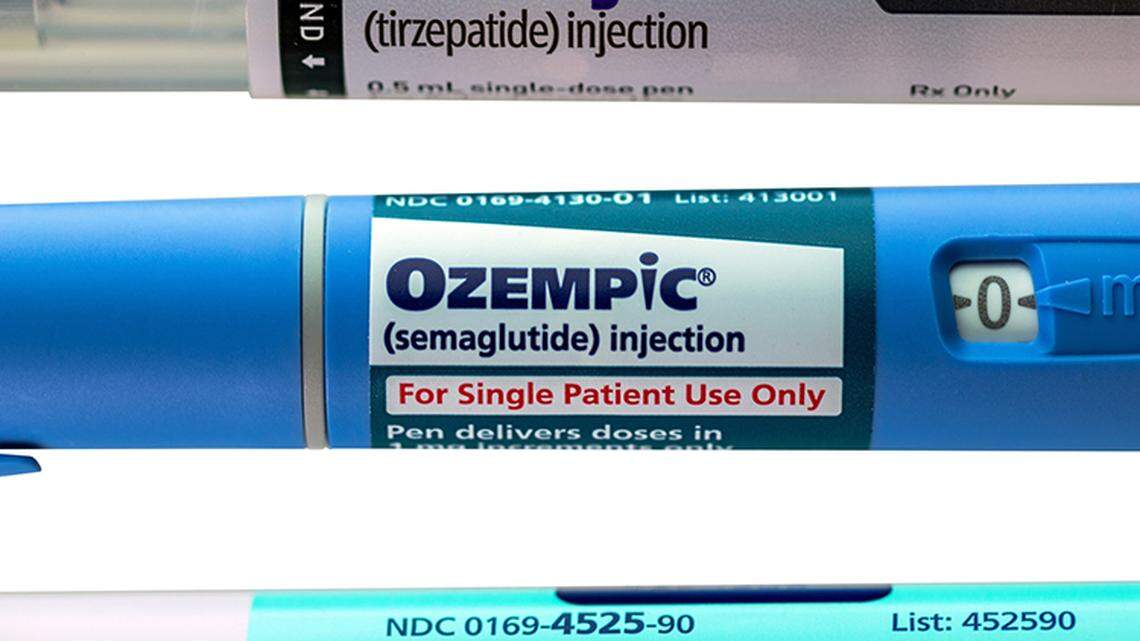
The federal government scrapped a plan to have health insurance companies fund coverage of obesity drugs for seniors, opting instead to pay for the medicine with taxpayer dollars through the end of next year.
The Trump administration’s initial plan would have made insurers responsible for covering wildly popular weight-loss medications in Medicare plans starting in January. That could have cost those companies billions of dollars in the plan’s first year, a recent study suggested. They likely would have had to raise premiums for Medicare prescription drug plans to cover the expense.
Instead, the government will fund coverage for 2027, which will allow for a longer period to collect data about which patients will use them, a CMS spokesperson said. Endpoints News first reported the agency’s reversal.
The move marks the second major lobbying victory for health insurers this month, after the Trump administration yielded to industry pressure to increase pay for Medicare Advantage insurance plans. It also averts the possibility of seniors seeing a dramatic increase in their premiums shortly before the midterm elections this fall.
Health insurers raised questions about their ability to cover the drugs earlier Tuesday. The pilot program was only going to take effect if enough insurers participated to account for 80% of covered patients. CVS Health Corp., parent of the major Medicare insurer Aetna, declined to participate in the obesity coverage program, a spokesperson told Bloomberg News. UnitedHealth Group Inc., which is the largest seller of Medicare Advantage plans, questioned the effort on its earnings call Tuesday.
“There are some notable challenges and outstanding questions with the currently planned structure,” Bobby Hunter, UnitedHealth’s chief of government programs, said on the call with analysts.
The program, a high priority of the Trump administration, had a crucial April 20 deadline for insurers to join. The White House got drugmakers Eli Lilly & Co. and Novo Nordisk A/S to agree to price concessions on their blockbuster weight-loss medications, in exchange for a promised expansion of Medicare coverage for the therapies.
Shares of both Lilly and Novo’s U.S. depositary receipts were unchanged in after-hours trading in New York. Shares of UnitedHealth, which reported earnings that beat investor expectations, and CVS also were unchanged.
The administration had planned a stopgap policy to let seniors on Medicare access the drugs starting this July, with the government picking up the tab. That program, called Bridge, was meant to end Dec. 31, with insurers managing the coverage starting in January. Now, it will continue through the end of 2027.
Hunter said UnitedHealth would participate in the Bridge program. He said the company was still working with CMS. “We’d like to find a path to ‘yes’ there on coverage over time,” he said. A representative from the company didn’t have any comment beyond Hunter’s remarks on the earnings call.
Representatives for Lilly and Novo didn’t comment.
Medicare is banned by law from covering weight-loss drugs, and the Trump administration halted a Biden-era effort to get around that prohibition. The voluntary programs offer another avenue to provide coverage. Many seniors can already get weight-loss drugs because they treat other conditions, such as heart disease or sleep apnea.
The Trump administration has argued that the lower prices it negotiated with drugmakers last year would offset the cost of adding coverage for millions of new patients. The plan will “expand access and lower prices for obesity GLP-1 medication without passing the bill to taxpayers,” Mehmet Oz, director of CMS, said in a video promoting the plan.
The Medicaid portion of the coverage plan will proceed as planned, the agency spokesperson said.
With assistance from Gerry Smith, Naomi Kresge and Tonya Garcia.
Copyright 2026 Tribune Content Agency. All Rights Reserved.