Life at 1,500-year-old fortress along the Great Wall of China revealed. Take a look
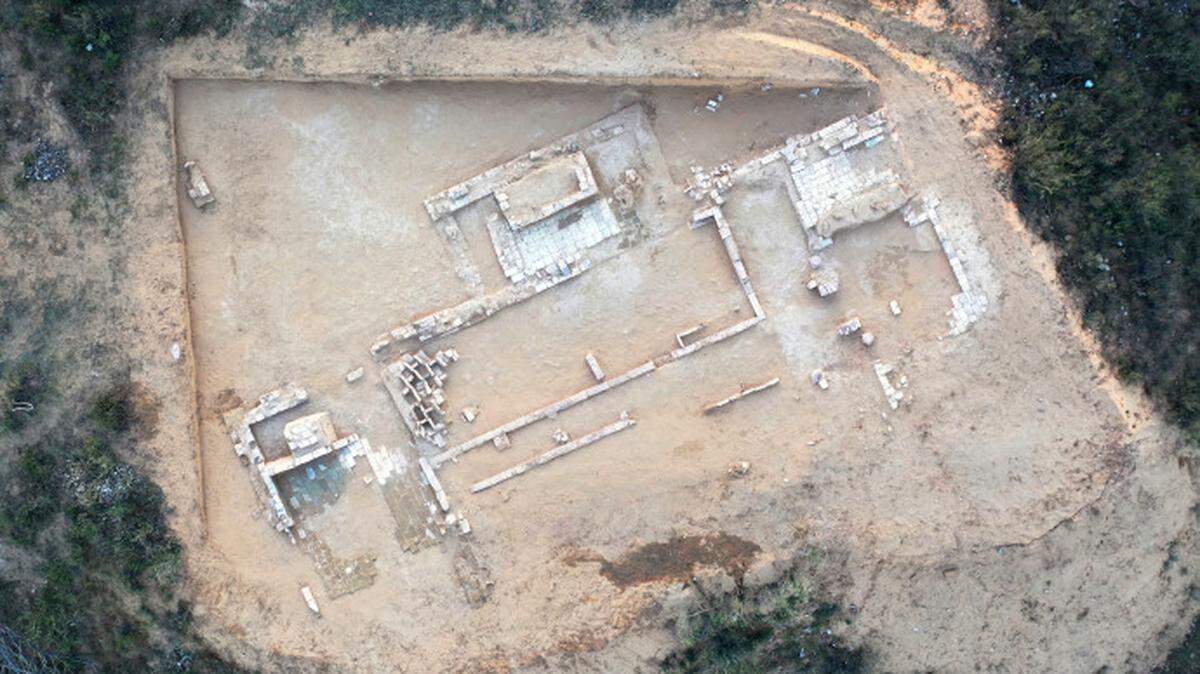
Stationed along the formidable Great Wall centuries ago, soldiers kept watch, staring out toward the vast terrain. Their fortress sat where the northern desert meets the southern mountains. The position made them a critical part of China’s first line of defense.
Perhaps the soldiers failed. Perhaps the political winds shifted. Either way, the once-thriving fort was abandoned, covered by the desert sands and forgotten for over a millennium. Not anymore.
While doing construction, workers in Dongmen’Gou, a town in China’s Shaanxi province, unearthed some clay statues, the Institute of Archaeology at the Chinese Academy of Social Sciences said in a Thursday, Feb. 23, news release.
Archaeologists excavated the area and uncovered the well-preserved ruins of Qingpingbao Fort. The site was one of 36 forts located along the Great Wall during the Ming dynasty, the Shaanxi Provincial Cultural Heritage Administration said in a news release.
Qingpingbao Fort was built in 1475 and abandoned during the Kangxi Period, experts said. The Kangxi period lasted from 1661 to 1722, according to Britannica.
The site is about 6 miles away from the Great Wall, Xinhua News reported.
Qingpingbao Fort was designed around a central building, the Institute of Archaeology said in a Feb. 22 news release. This building originally had a pavilion on a high platform, but only the base of the structure remains, photos show. Four main streets extended outward from the square building.
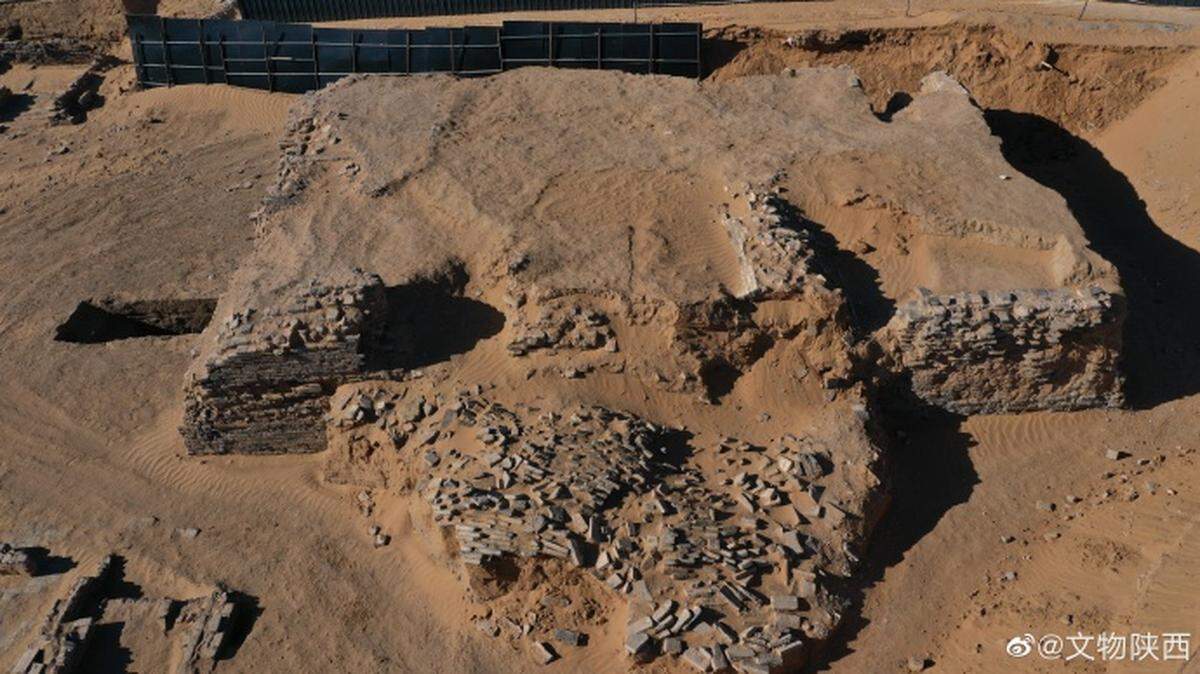
Down one street, archaeologists uncovered 10 buildings, a mixture of shops and homes. The structures shared a common courtyard where millstones were found, researchers said. Both soldiers and civilians lived in these homes.
These mixed-use structures indicated Qingpingbao Fort was used for both military and commercial purposes, experts said.
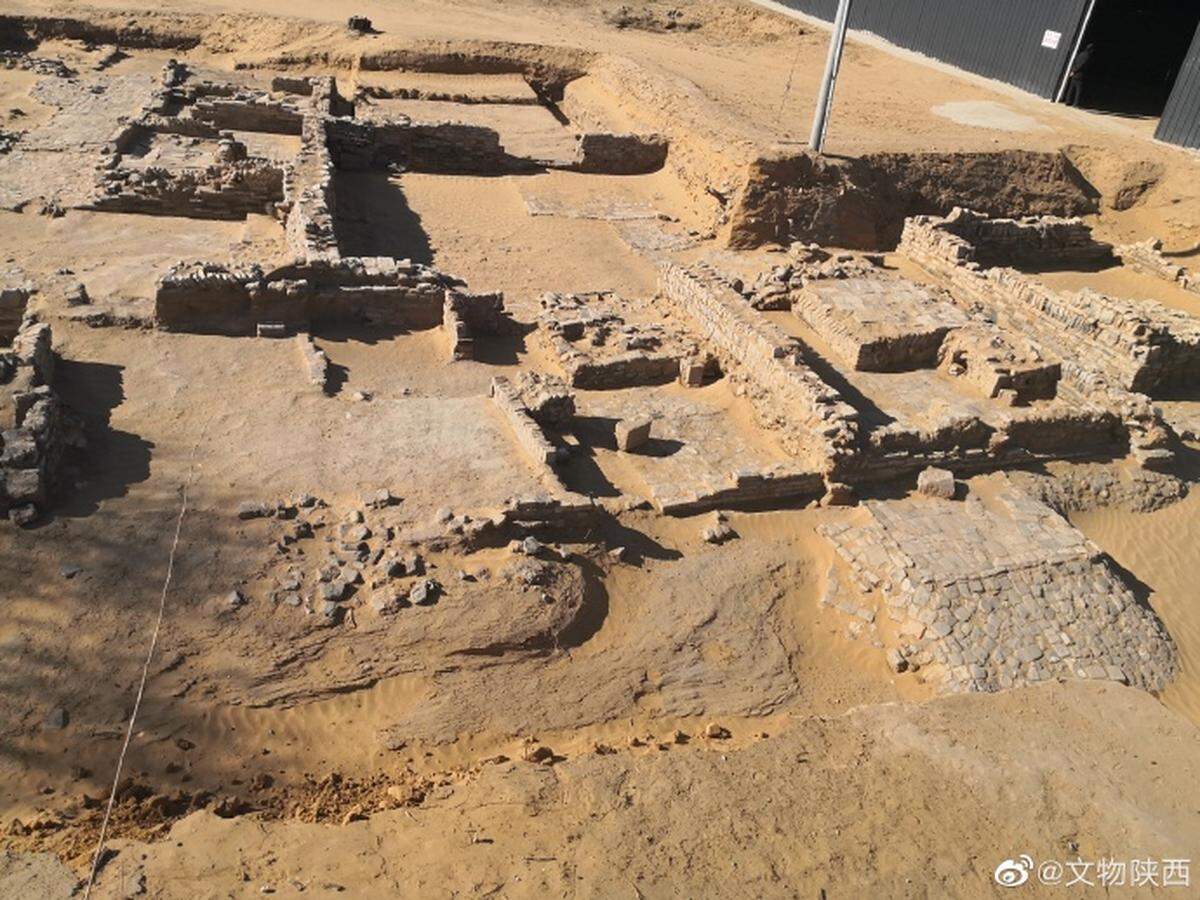
Along another street, the ruins of a Xianying Palace were unearthed. Photos show the expansive building. The palace had a main hall, bedroom and stage surrounded by a courtyard, east and west verandas, and brick screen walls, researchers said.
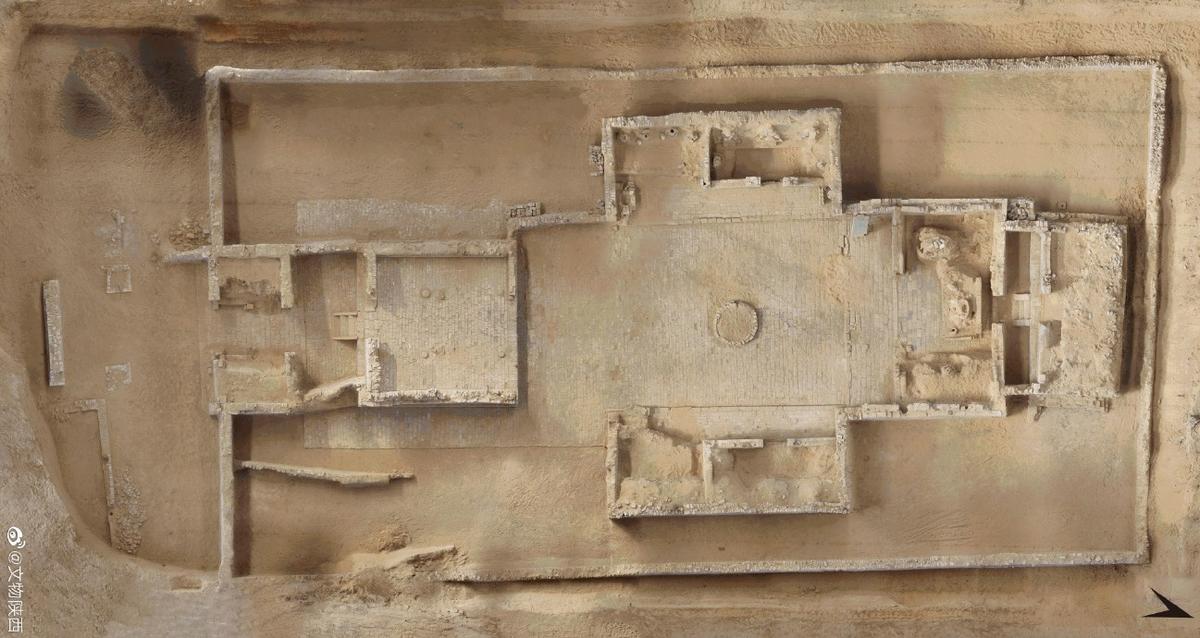
Archaeologists found the name of the palace from an inscription on a stone tablet unearthed in the courtyard, Xinhua News reported.
In the palace verandas, researchers uncovered several clay statues. Photos show two large human statues dressed in red hats and wearing dark-colored tunics. Another statue was found of a kneeling man holding a scroll.
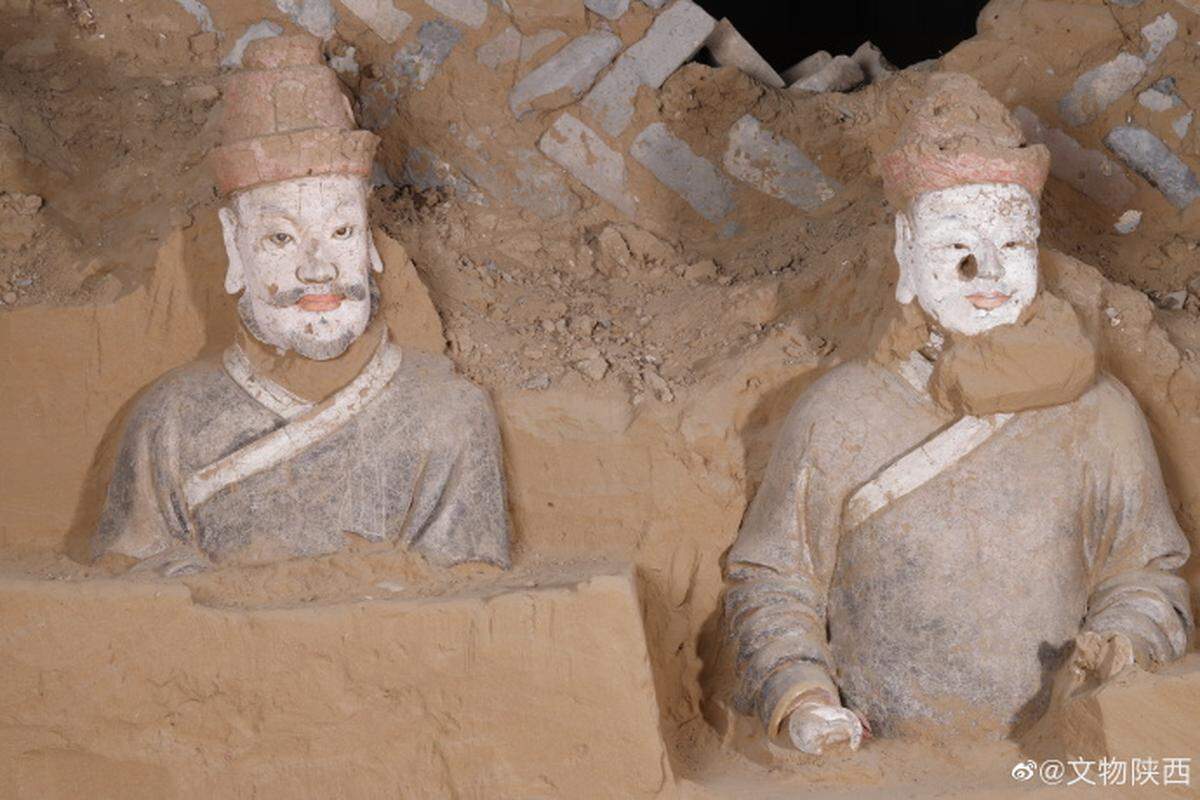
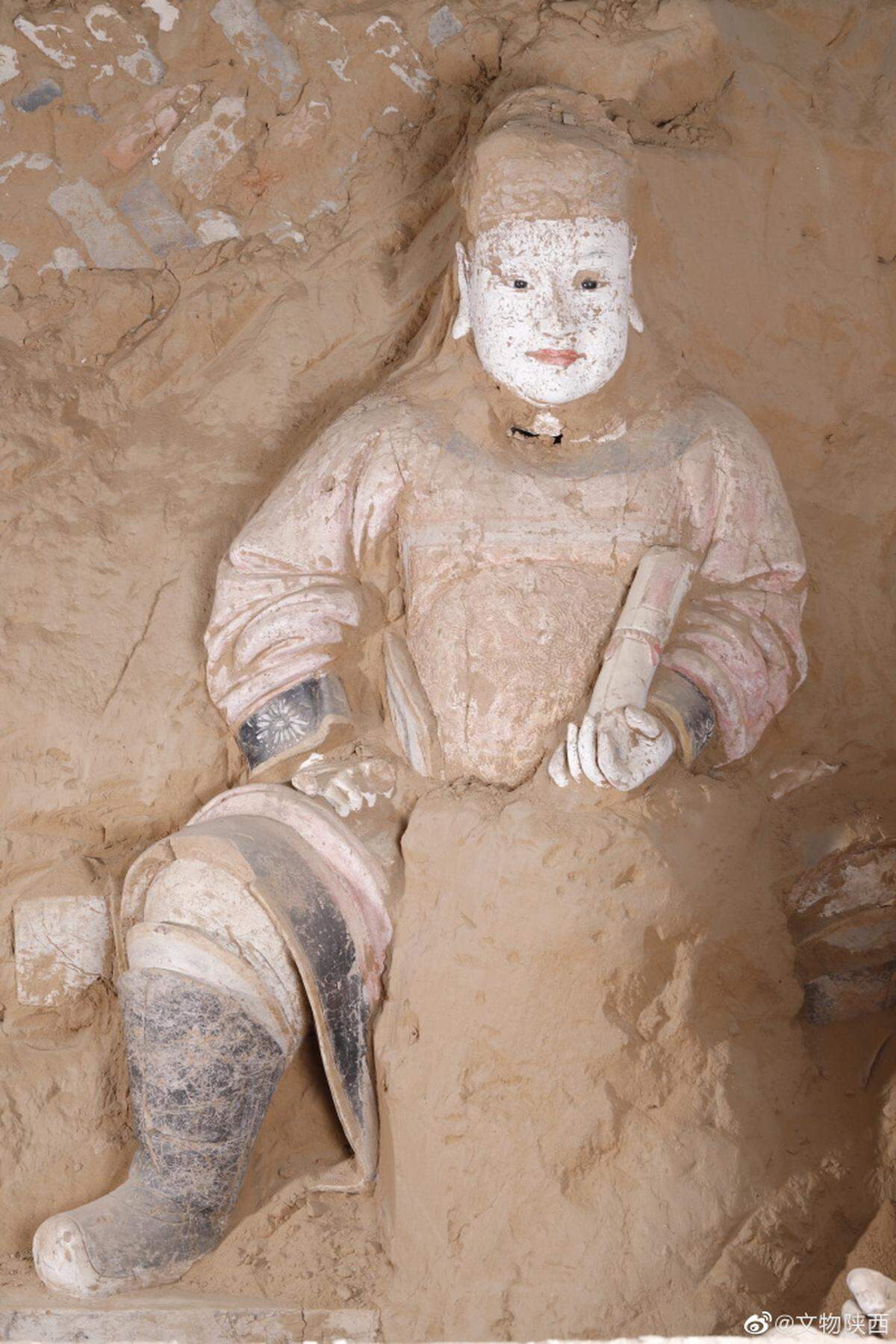
Some of the clay statues demonstrated Chinese designs from the Ming dynasty, researchers said. Other statues showed images of Mongolian style. The combination indicated the fort was a site of cultural exchange and ethnic integration, experts said.
A temple and other relics were also uncovered at the site, researchers said.
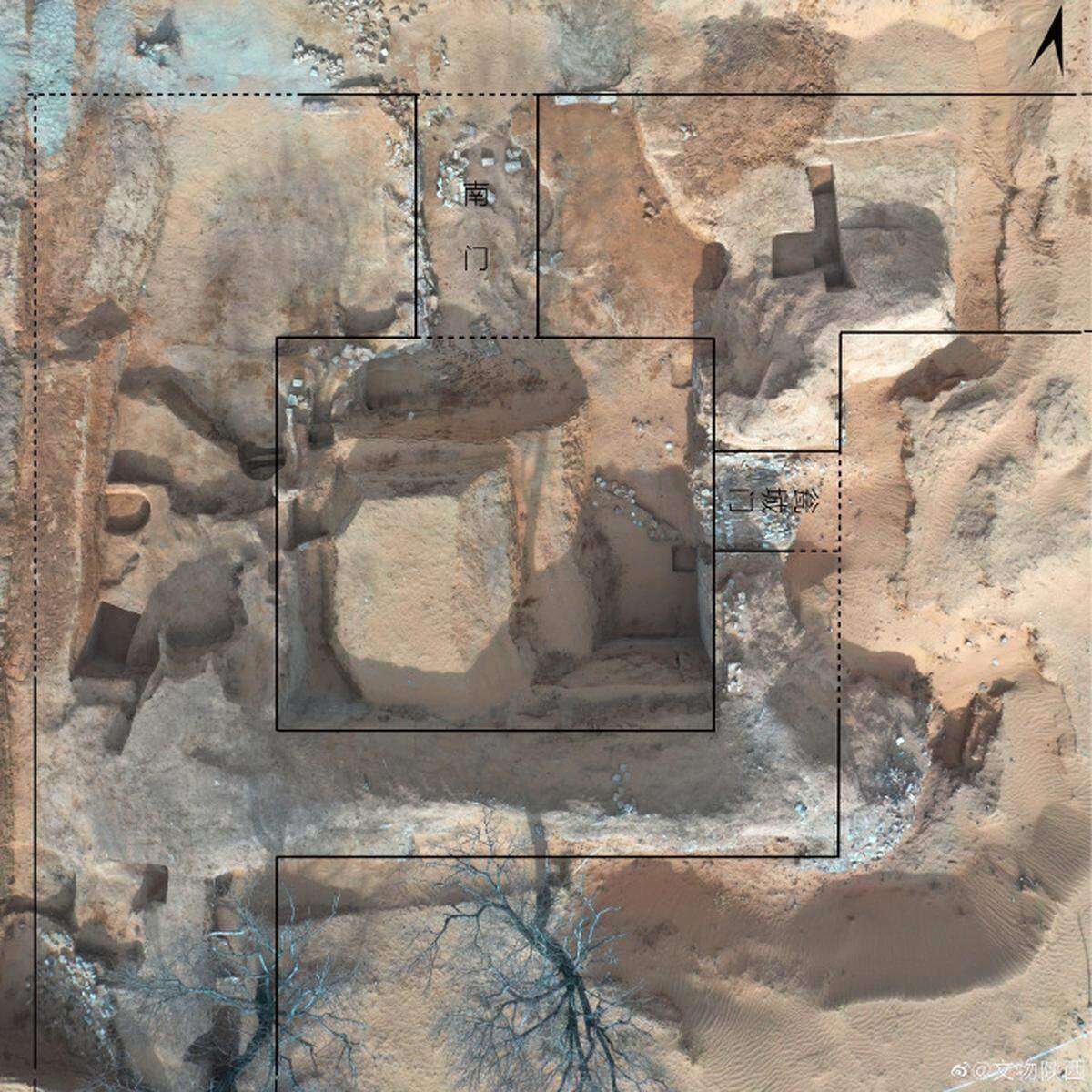
Qingpingbao Fort is one of the “best preserved and most complete” forts found along this section of the Great Wall, the Global Times reported. The site was rediscovered in 2020, and excavations have been ongoing ever since, the Institute of Archaeology said in a release.
The fort is in Dongmen’Gou, a town in Shaanxi province about 600 miles southwest of Beijing.
Google Translate and Baidu Translate were used to translate news releases from the Institute of Archaeology at the Chinese Academy of Social Sciences and the Shaanxi Provincial Cultural Heritage Administration.
This story was originally published February 24, 2023 at 8:05 AM with the headline "Life at 1,500-year-old fortress along the Great Wall of China revealed. Take a look."