Five new treefrog species — including a poo-colored one — discovered in New Guinea
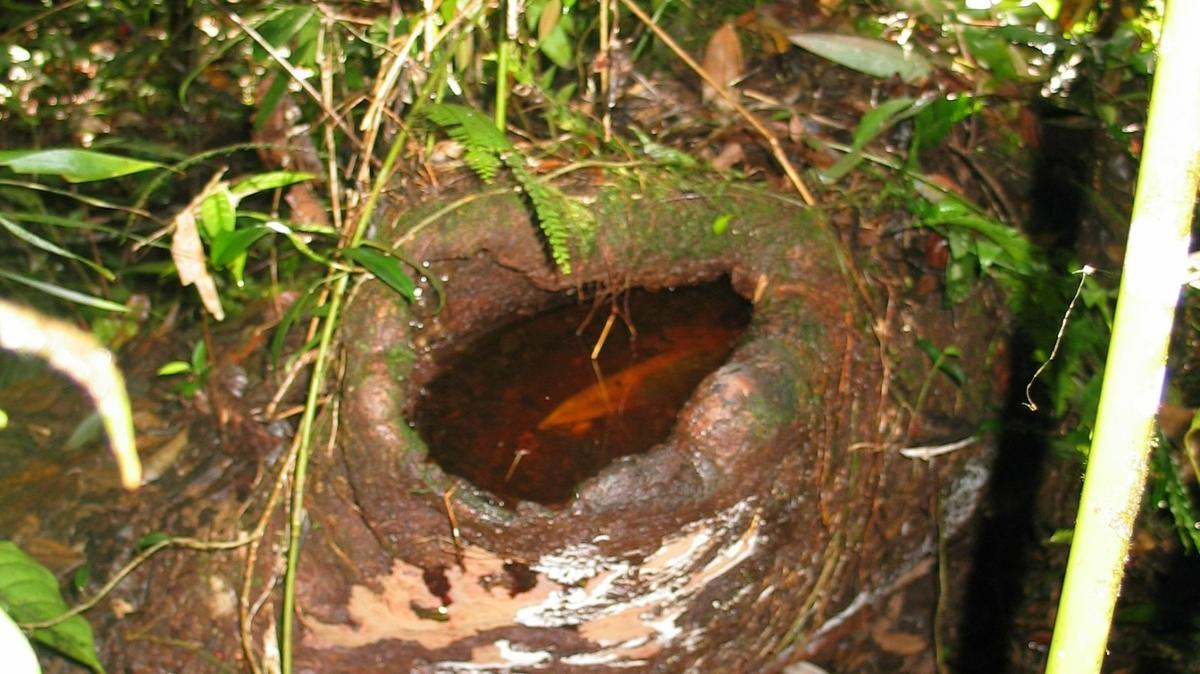
Patiently waiting in the mountains of Papua New Guinea, scientists scanned the trees looking for frogs. They waited through the night, sometimes keeping watch through rainstorms and hailstorms. Their dedication paid off.
Australian researchers identified five new species of treefrogs, the Queensland Museum Network said in an April 7 news release shared with McClatchy News.
The small frogs were all found hiding in the “very wet mountain forest areas” of central Papua New Guinea, experts said. The new species have an unusual way of raising their young. Instead of laying eggs in the water like other frogs, they laid their eggs on leaves.
To make these discoveries, lead author Steve Richards spent over 30 years studying frogs on the island, the release said. The findings were published April 5 in the journal Zootaxa.
“I spent a huge amount of time waiting at night beside tree holes in rain, hail and (moon)shine, for frogs to emerge in order to find these amazing species, and to try and learn about their biology,” Richards said in the news release.
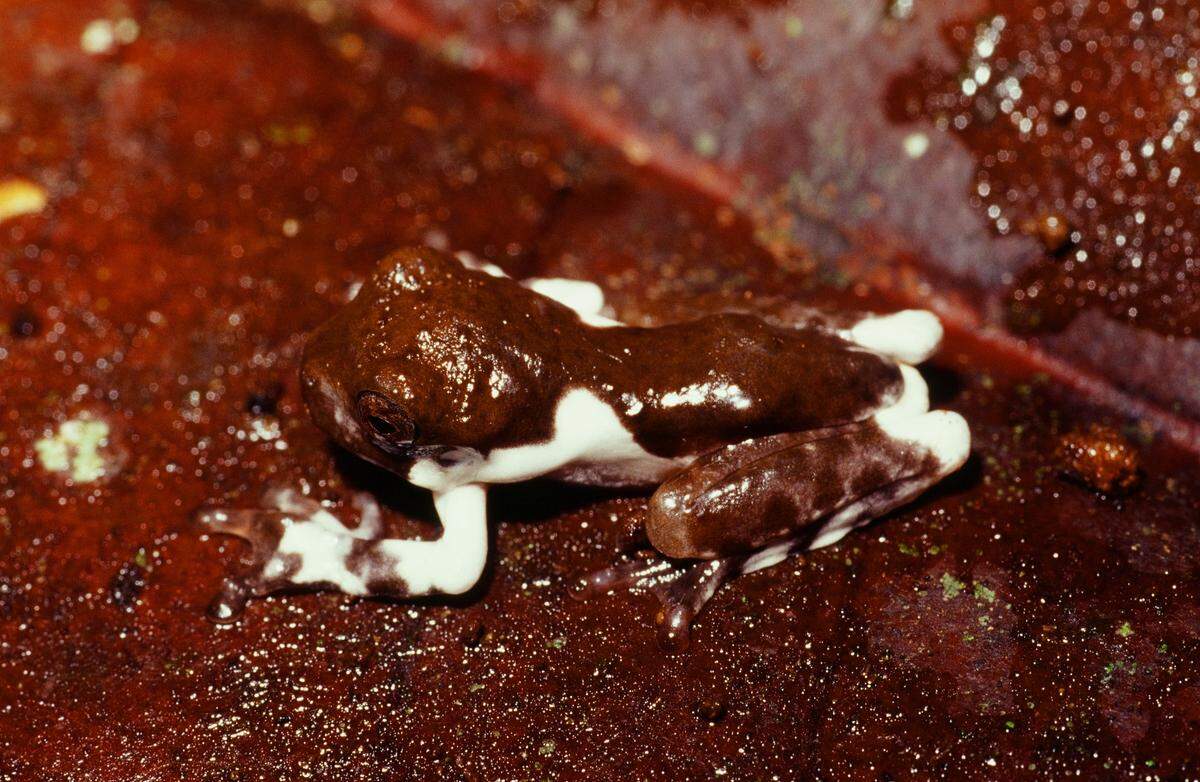
The first new species was named the crater mountain treehole frog or Litoria naispela, the release said. “Naispela” means “pretty” or “beautiful” in Melanesian pidgin, experts said.
“Litoria naispela also has juveniles that have (color) and patterning that closely resembles bird droppings,” co-author Paul Oliver said in the release. “We think this is a form of defensive masquerade.”
Photos show the animal’s reddish-brown coloring with some white patches.
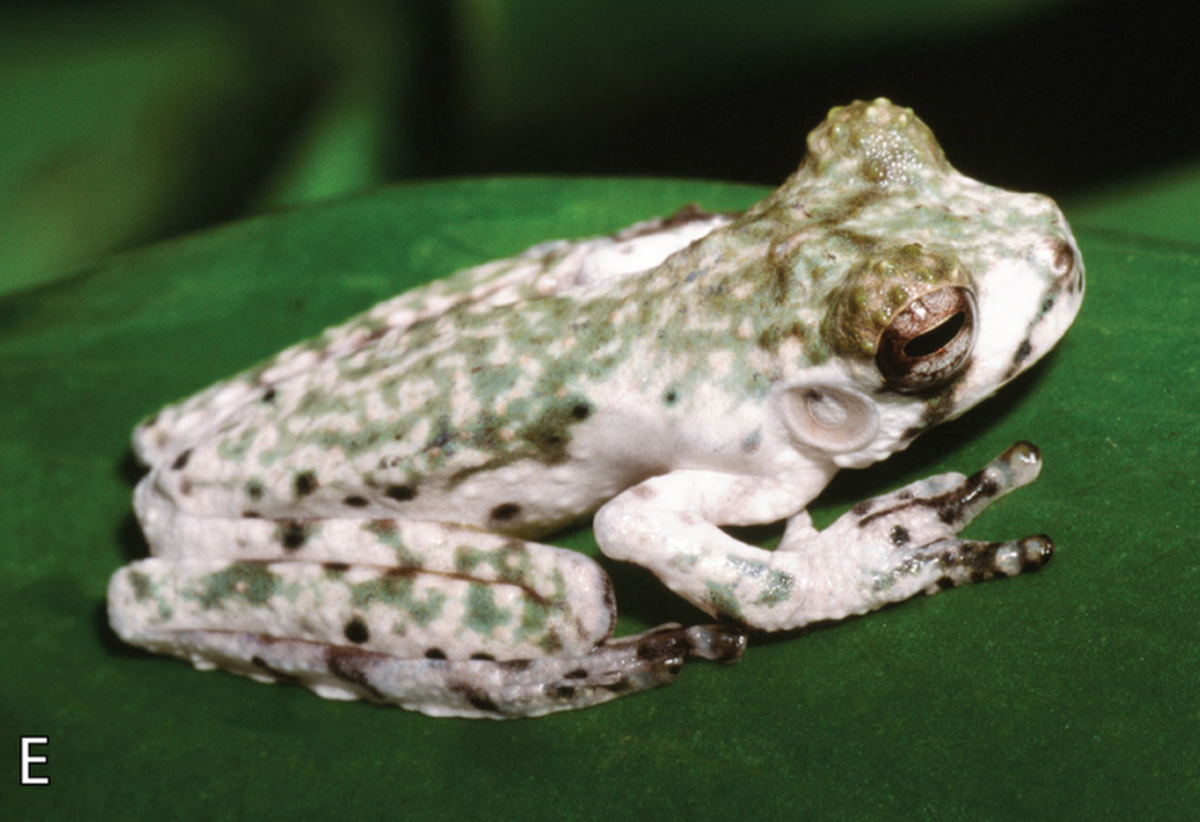
Adult crater mountain treehole frogs, however, have a different coloring. Photos show the animal’s pale green body and white underside, speckled with black dots.
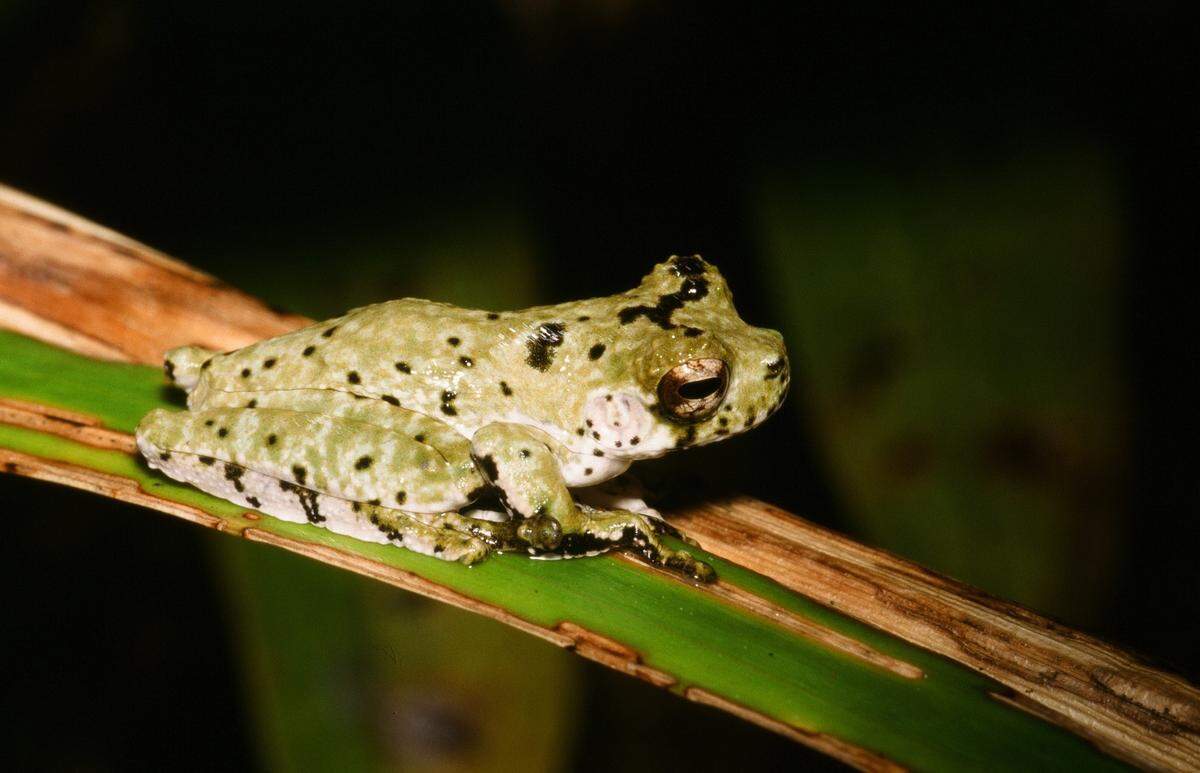
The second new species is the red-bellied treefrog or Litoria haematogaster, the release said. The animal “has bright red legs on the underside,” experts said.
From above, the frog has an almost spray-painted look with several different shades of green that allow it to blend into its surroundings, photos show.
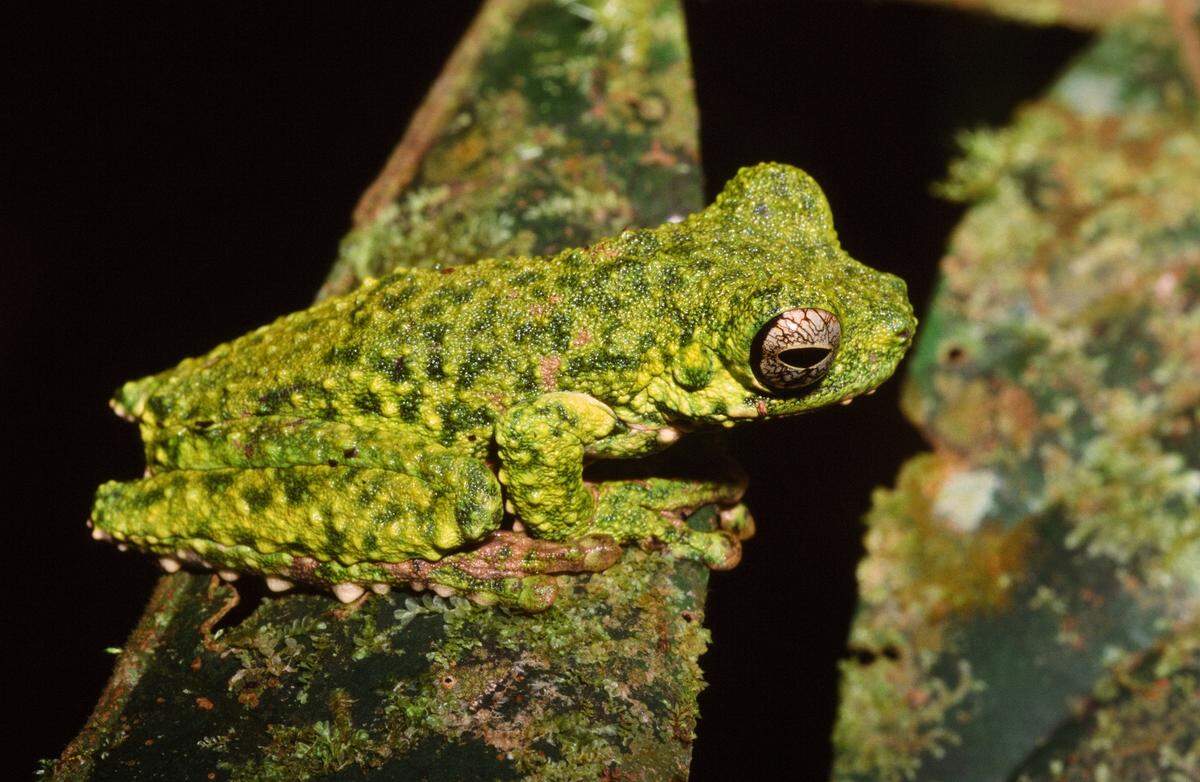
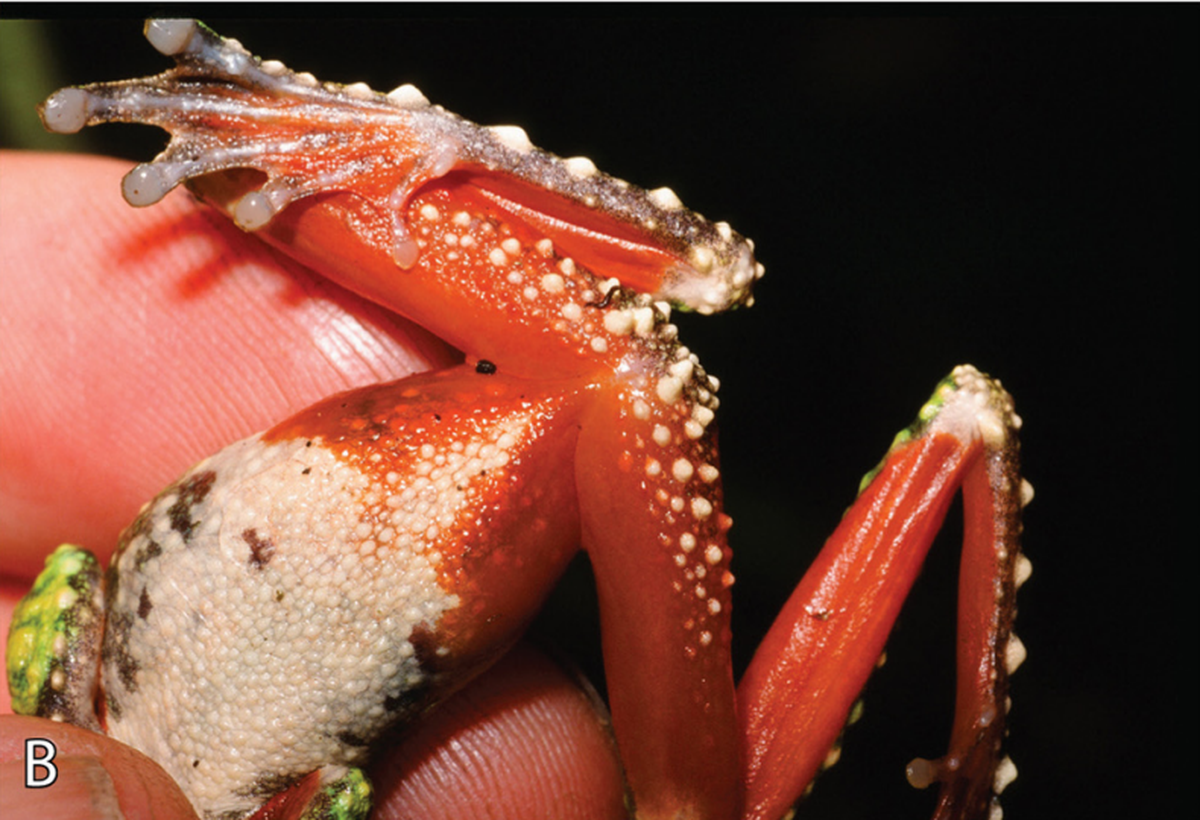
The slender spotted treefrog, or Litoria gracilis, was named after the Latin word for “slender” or “graceful,” experts said. Photos show the smooth-skinned frog with a cream coloring and golden spots.
The frog also has “a bright, yellow groin,” the release said.
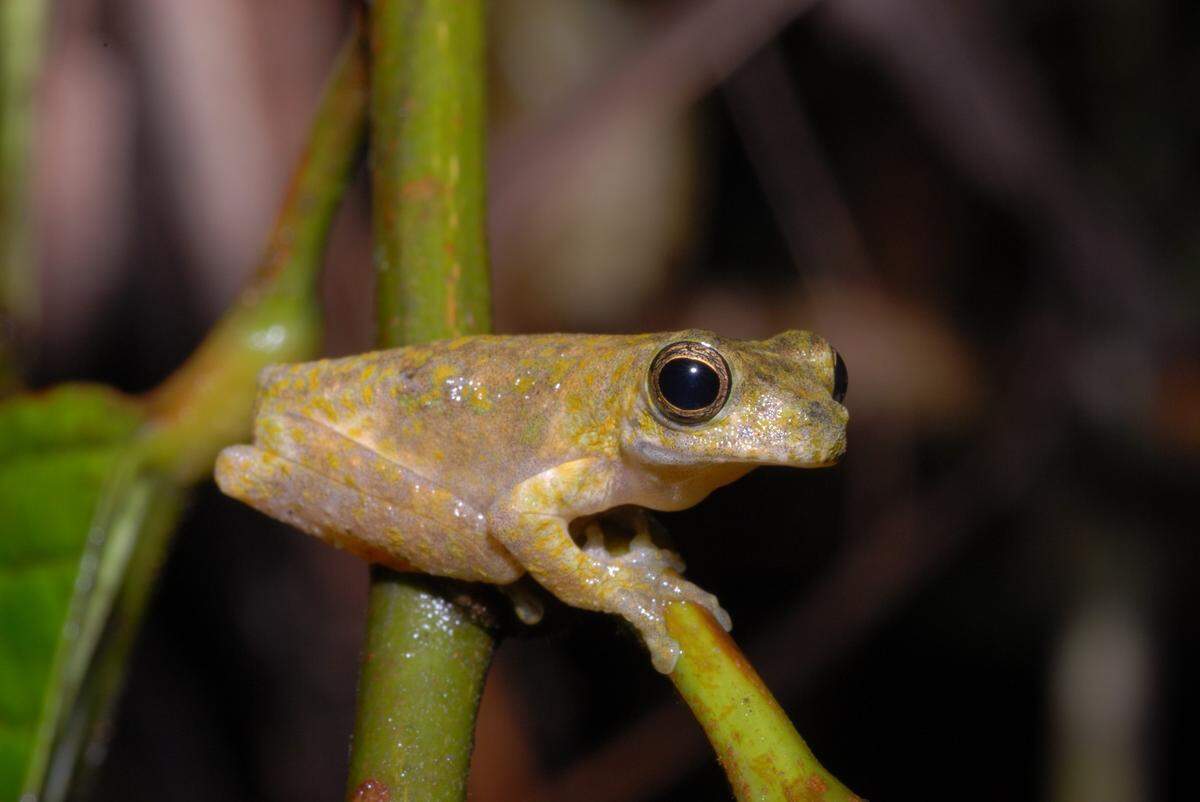
The Darai Plateau treefrog, or Litoria daraiensis, was named after the area the frog was found to inhabit, the Darai Plateau, according to the release. The animal’s “hands and feet are translucent,” experts said.
The rest of its body has a dull green coloring with patches of brown and a white-colored underside, photos show.

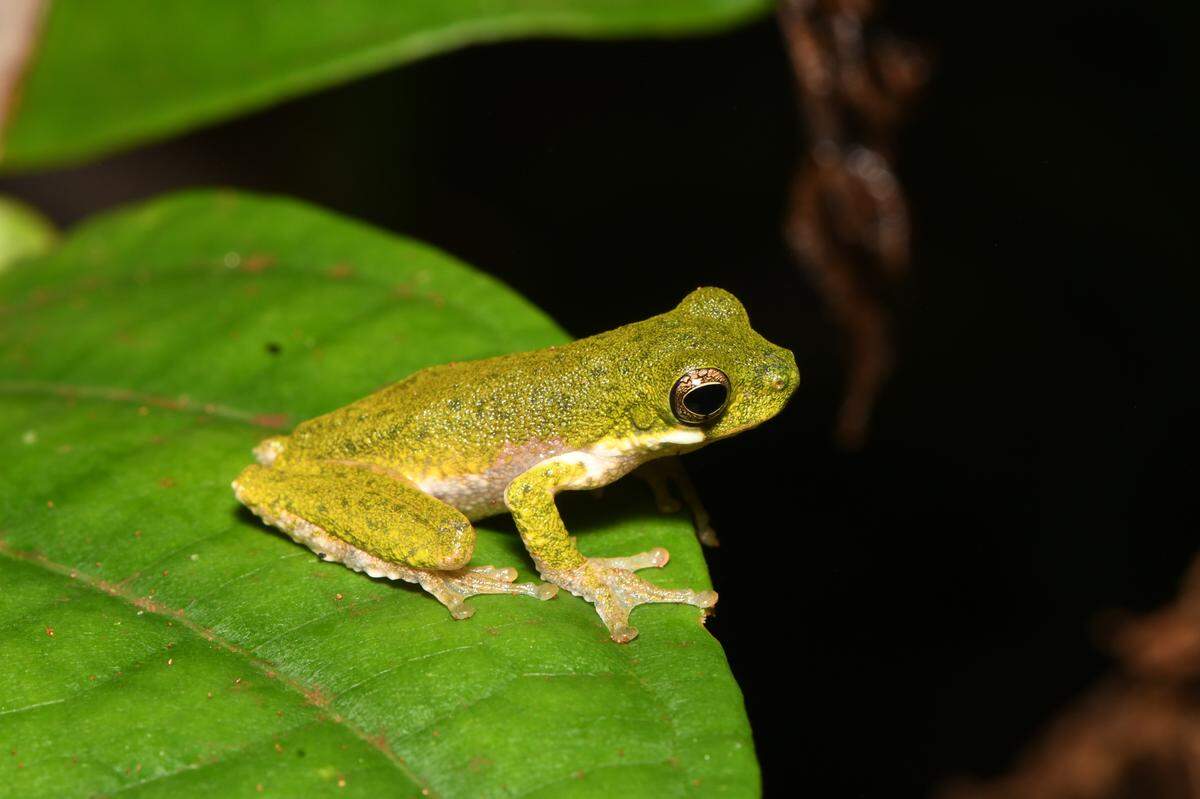
The final new species was named Lisa’s treefrog or Litoria lisae, the release said. The animal was named after the lead researcher’s wife, Lisa Capon, “in gratitude for her ongoing support of his research activities.” experts said.
The frog has a yellow-green coloring that appears almost shiny in photos. Its underside is a slightly lighter yellow-beige color.
The frog species were found in different locations across the central mountains of Papua New Guinea. This region is located on the eastern side of New Guinea, an island north of Australia.
“New Guinea has more species of frogs than any other island in the world and most are found nowhere else,” Richards said in the release.
This story was originally published April 7, 2023 at 9:22 AM with the headline "Five new treefrog species — including a poo-colored one — discovered in New Guinea."