Metal detectorists stumble on 1,600-year-old treasure — and find forgotten Roman site
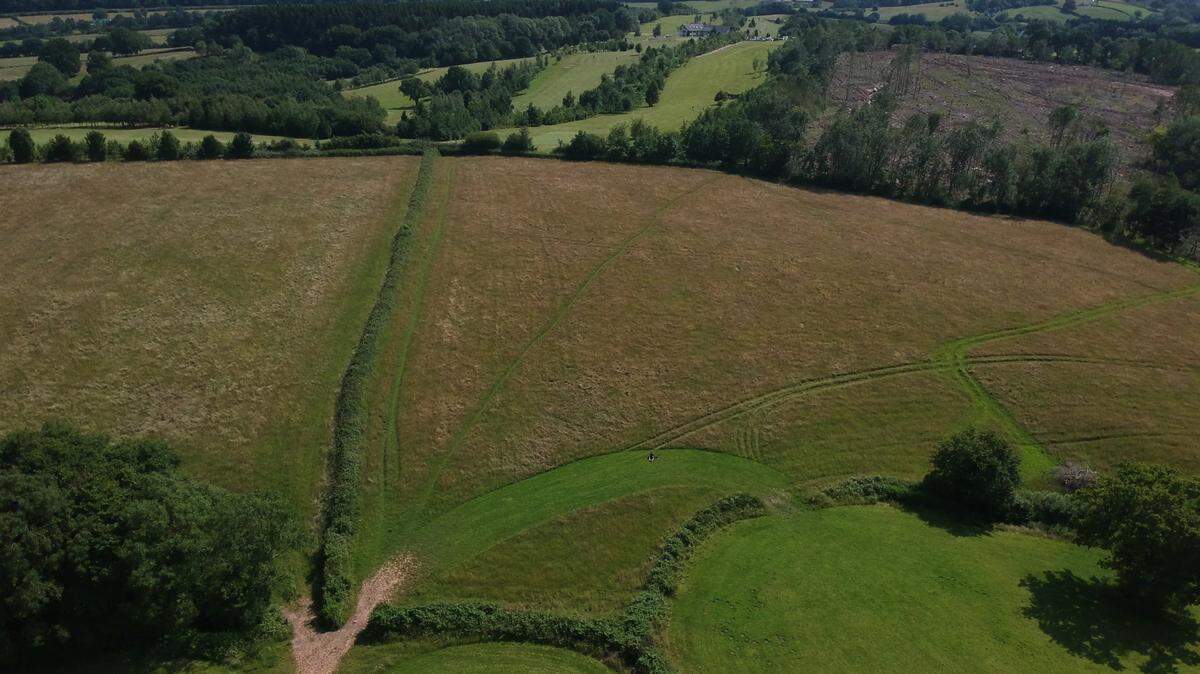
Searching a field in Wales, a pair of metal detectorists stumbled on some small buried treasures — then uncovered a much larger find.
Colin Price and Rhys Cadwallader spent eight years exploring a plowed field in Caerwent with metal detectors, the National Museum Wales said in an April 28 news release shared with McClatchy News. And their efforts paid off.
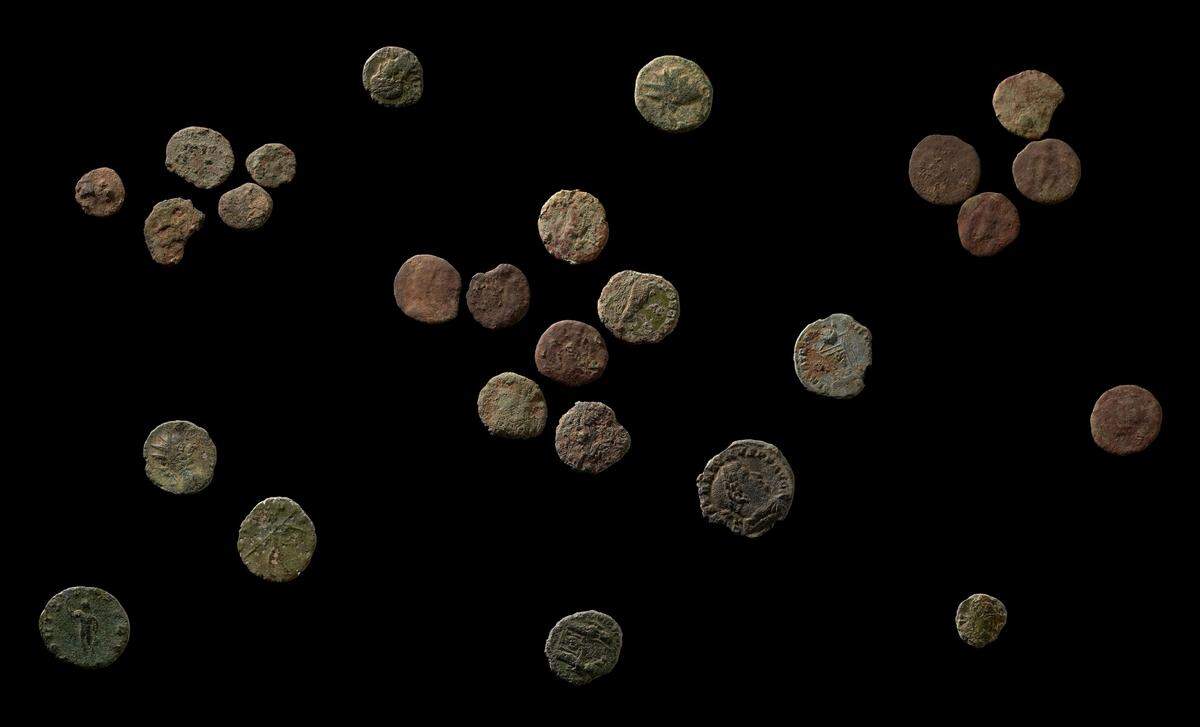
The pair stumbled upon a collection of buried copper coins. Archaeologists identified the artifacts as ancient Roman coins from the late third century to late fourth century A.D., the release said.
Photos show the 1,600-year-old tarnished brown coins. Some are fragmented, but most are relatively complete. Various designs can be seen stamped onto the disks.
The coin collection was “found in the same field as Wales’s first hoard of Roman siliquae, a very late Roman silver coin type,” experts said.
Price uncovered the earlier collection of siliquae coins near the location of a known ancient Roman town in Caerwent, museum officials told the Abergavenny Chronicle in July. The “unusual” collection of coins had their edges clipped off, the outlet reported. The clipped pieces were probably melted down and reused to make more coins, experts said.
“The discovery of two coin-hoards in the same field and in the general vicinity of the Roman town at Caerwent, is exciting and significant,” Alastair Willis, an expert on coins with the National Museum Wales, said in the release.
Archaeologists surveyed the field, Willis said, and found evidence of a forgotten Roman site, likely an “unknown settlement or religious site where the coin hoards were buried.”
“This sheds light on life in the rural hinterland around the Roman town of Venta Silurum,” Willis said in the release. “The discoveries are also important for understanding events happening in south-east Wales around the time when the Romans left, at the beginning of the fifth century AD.”
Venta Silurum, or Caerwent as it’s known today, was a “Romanized market town” established around 75 to 80 A.D. by the conquering Romans, according to an article about the site from the Welsh Government.
The town had a “typical well-ordered Roman grid” layout with a public bath house, market and temple, officials said. Ruins of the town’s 17-foot-tall walls, houses, market and temple are still standing.
The National Museum Wales is interested in acquiring the artifacts found by Price and Cadwallader after an independent committee has assessed their value, the release said.
Caerwent is about 130 miles west of London.
This story was originally published May 16, 2023 at 8:14 AM with the headline "Metal detectorists stumble on 1,600-year-old treasure — and find forgotten Roman site."