
Large ‘cryptic’ creature found lurking under bridge in Ecuador. It’s a new species
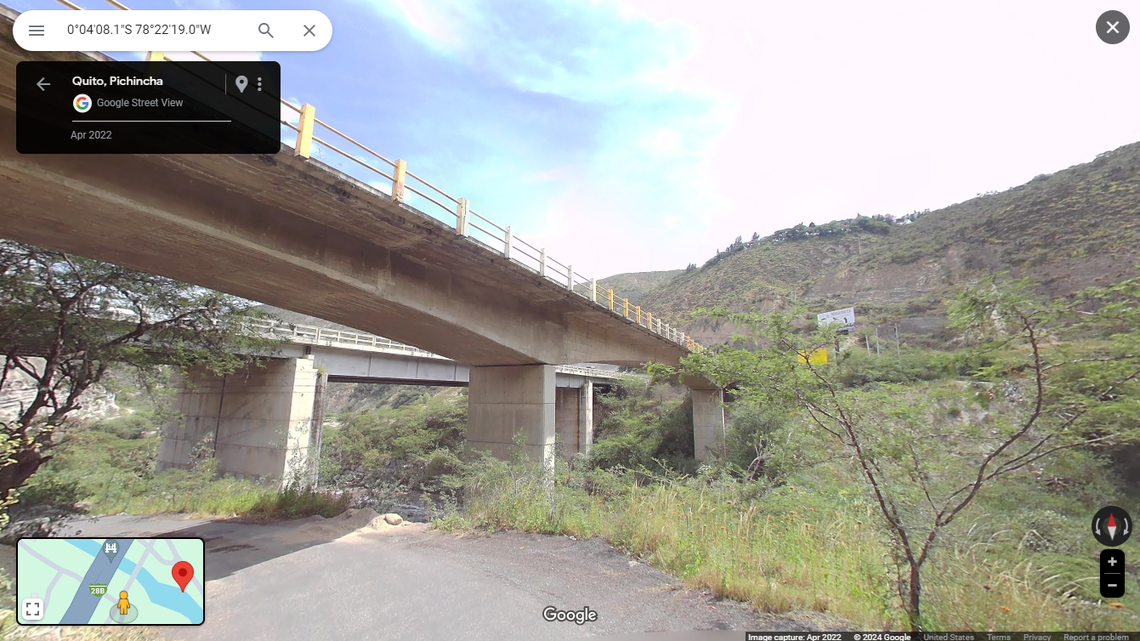
Oblivious to the traffic passing overhead, a large creature lurked under a bridge in Ecuador. The “cryptic”-looking creature hunted for food, sought out mates and generally went misidentified.
Not anymore.
Rhinella horribilis, also known as the Mesoamerican cane toad, is a species of large, recognizable toads that live as far north as Texas and as far south as Ecuador. A group of scientists intrigued by these toads decided to investigate, according to a study published Feb. 20 in the peer-reviewed Zoological Journal of the Linnean Society.
Researchers suspected that some toads in western Ecuador were not actually Mesoamerican cane toads, the study said. They collected dozens of these misidentified toads and analyzed the animals.
A pattern began to emerge.
The toads in western Ecuador sounded different and had distinct physical features, the study said. Researchers realized they’d discovered a new species: Rhinella bella, or the beautiful cane toad.
Beautiful cane toads are considered large, measuring about 4 inches long on average, researchers said. They have “robust” bodies covered in bumps, a “squared snout” and webbed toes.

Photos show some beautiful cane toads from the front and side. One animal has a dull brownish-orange coloring. Another is more brownish-green.
Beautiful cane toads were found on roads, near bodies of water, along rivers, in suburbs and lurking under bridges, researchers said. The species was seen mating, with its eggs in “strings in the water.”
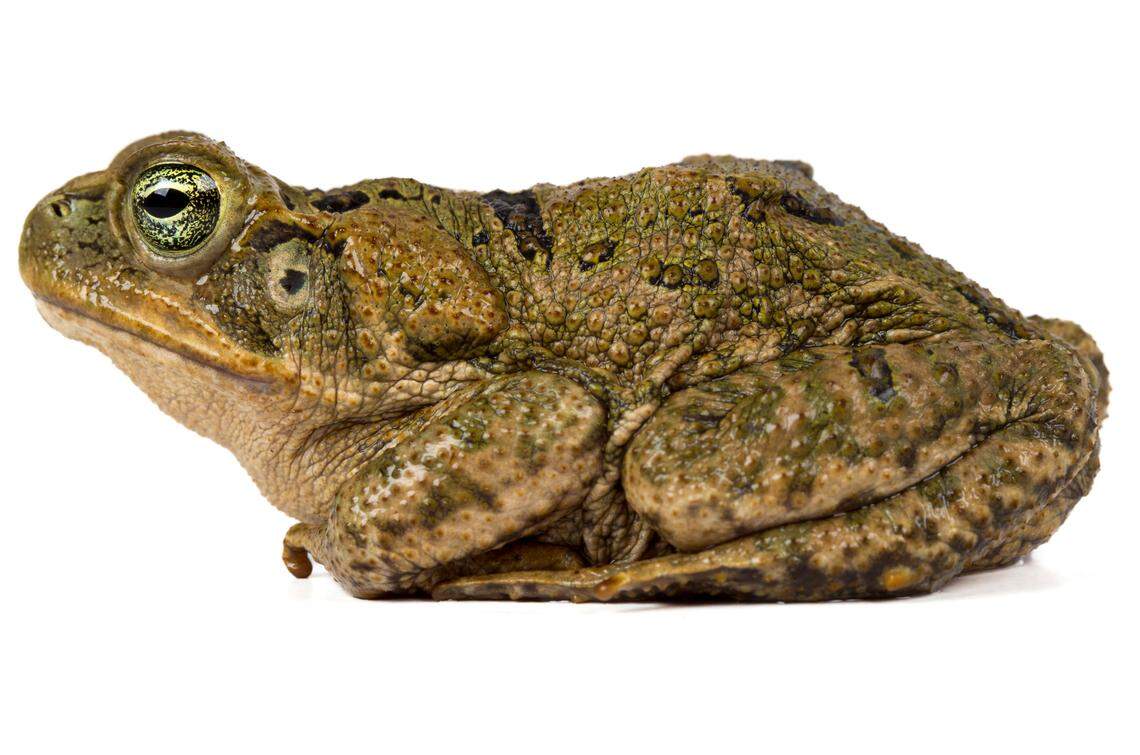
Researchers said they named the new species after the Latin word for “beautiful” to emphasize that “judgements of the beauty of organisms are highly subjective.” The name contradicts the Mesoamerican cane toad whose scientific name means “horrible” in Latin.
Beautiful cane toads have been found in a wide variety of habitats, from coastal areas to mountain forests, but are restricted to the western side of the Andes mountains, the study said. The species’ full range is unknown. It might live in nearby regions of Colombia and Peru.
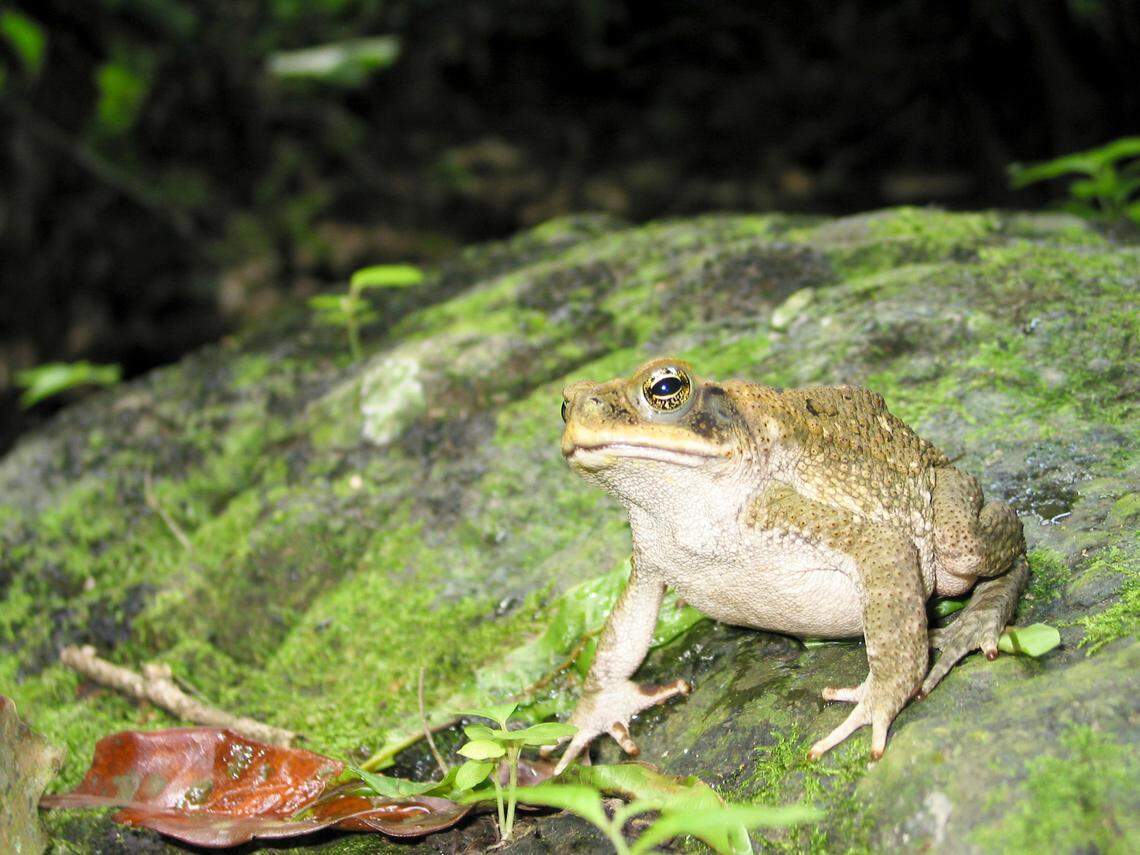
The new species was identified by its body shape, call, skeletal structure and other features, the study said. DNA analysis found the new species had, on average, a 4.5% genetic divergence from other cane toads.
The research team included Pablo Menéndez-Guerrero, Sueny Lima dos Santos, María-José Salazar-Nicholls, David Green and Santiago Ron.
This story was originally published February 26, 2024 at 10:42 AM with the headline "Large ‘cryptic’ creature found lurking under bridge in Ecuador. It’s a new species."
