
‘Transparent’ muscular creature found in seaweed beds off Japan. It’s a new species
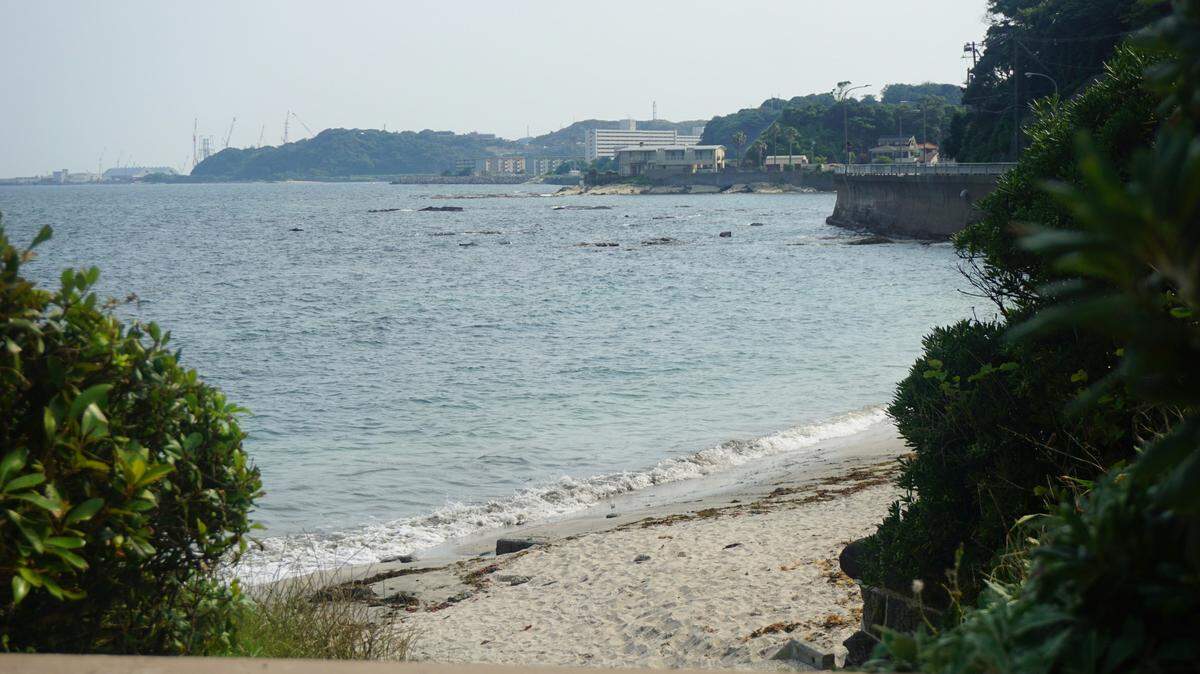
As a group of researchers sifted through the seaweed beds in the shallow waters off Japan, small, translucent creatures started to appear.
The researchers pulled out their dip nets and tried to capture the critters, successfully scooping a few up in their nets.
Then came an “unexpected discovery.”
The small crustaceans were a new species of shrimp, the researchers, Tomoyuki Komai and Motoya Hanai, said in an April 23 study published in the journal Zootaxa.
Almost completely “transparent,” the animals belong to a family of shrimp known for their clear bodies and lives spent in harmony on or in other species, according to the study and the Texas Parks and Wildlife Department.
Their see-through bodies are lined with a “pattern of brown lines and dots,” the researchers said, outlining the different pieces that connect their hard exterior.

The species, Palaemon parvibrachium, looks very similar to other known species in body shape, according to the study, but a few features stand out.
First, one of the sections on the second pereopod, or one of the legs on the body, is much shorter, the researchers said.
This gives the shrimp its name, the Latin parvus, meaning short or small, and brachium, meaning forearm, “referring to the characteristically short carpus,” the researchers said.
Second, the coloration is rather unique, the researchers said, and “readily differentiate(s)“ the species from others in the genus.
The species’ common name, Amime-suji-ebi in Japanese, translates roughly to mesh-muscle shrimp, according to the study.
Only a few of the shrimp were collected, researchers said, but more have yet to be found.
“In spite of the efforts by the junior author and his colleagues, only four specimens of P. parvibrachium n. sp. have been collected during two-year (2022–2023) field surveys in Ena Bay and nearby areas,” according to the study. “The senior author has tried to find specimens of the new species in the decapod collections housed in (Natural History Museum and Institute, Chiba), but this was unsuccessful. At present, the true geographical distribution of the new species remains somewhat unknown, in spite of its occurrence in easily accessible coastal area.”
Ena Bay is on the Miura Peninsula, on the Pacific coast of central Japan.
This story was originally published April 24, 2024 at 9:00 AM with the headline "‘Transparent’ muscular creature found in seaweed beds off Japan. It’s a new species."
