Sea creatures living off coast of Bermuda went unnoticed for 12 years — not anymore

A pair of gray sea creatures glided through the warm water off the coast of Bermuda. One animal briefly broke through the surface at the same moment a nearby scientist snapped a photo.
That photo was taken in 2016, but its subjects and significance went unnoticed — until now.
A team of scientists decided to study stingrays in Bermuda, a British island territory in the Atlantic Ocean about 650 miles off the coast of Cape Hatteras, North Carolina, according to a study published May 17 in the peer-reviewed journal Frontiers in Fish Science.
For years, the whitespotted eagle ray was believed to be the only species of stingray living near the island, the study said. But researchers started hearing unconfirmed reports of another type of stingray.
Intrigued, researchers spoke to wildlife experts, collected photos from locals, analyzed DNA and went out in search of the stingrays themselves.
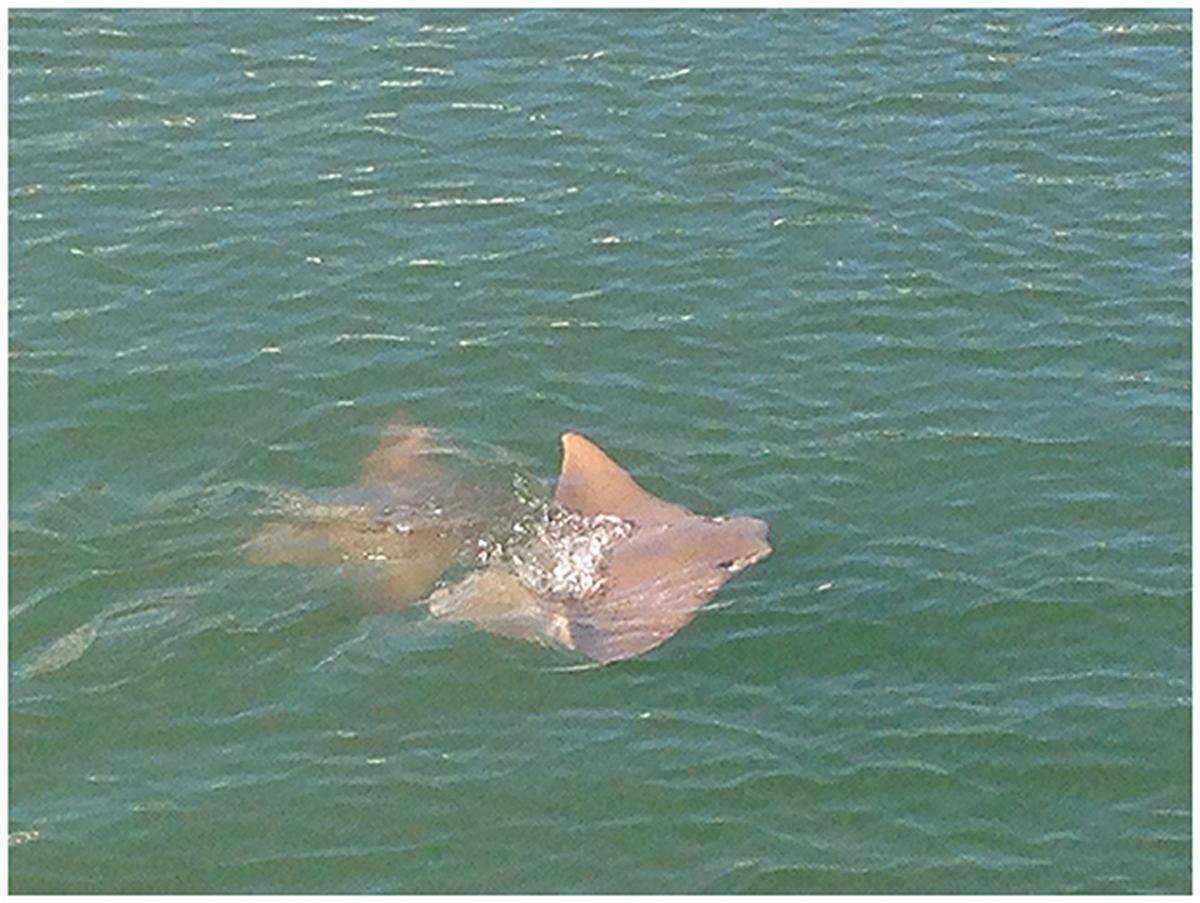
Slowly, the evidence began to build that another species of stingray, the Atlantic cownose ray or Rhinoptera bonasus, had been living in the area for some time, the study said.
Atlantic cownose rays are “highly migratory” stingrays that live almost exclusively around the continental shelves of North and South America, the Florida Atlantic University said in a May 20 news release.
The stingray’s presence in Bermuda was a “novel migration,” researchers said.
Locals reported seeing Atlantic cownose rays in Bermuda “as early as 2012,” the study said. The first photograph of the species — a pair of stingrays near the surface — was taken in 2016.
These stingray sightings have continued ever since. Atlantic cownose rays have been seen in groups of up to 12 animals, the study said. Some immature stingrays and reports of mating behavior suggest the species is established in the area enough to reproduce.
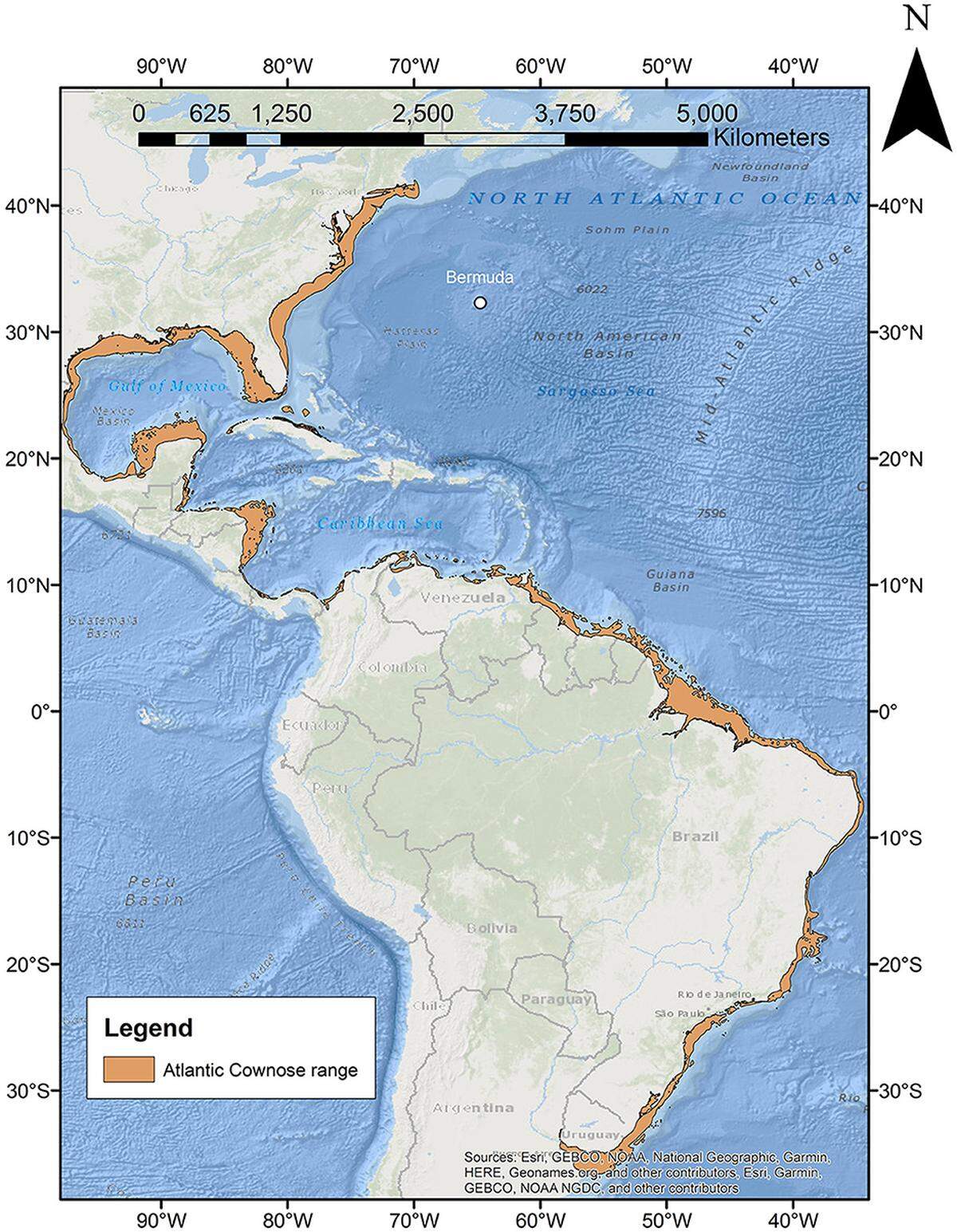
Researchers still don’t know how many Atlantic cownose rays are living in Bermuda or if the animals are there year-round or just seasonally.
Researchers suspect the species’s migration pattern changed due to a combination of large-scale factors such as weather and ocean currents, the study said.
“Atmospheric conditions including wind and extreme weather events such as storms have been shown to trigger abnormal migratory behaviors in other large marine animals such as loggerhead sea turtles,” lead co-author Matthew Ajemian said in the release.
“In the end, we don’t know if it was a single event or a combination of conditions that brought these animals here,” he said, “but either way it’s an incredible trip!”
The research team included Matthew Ajemian, Cecilia Hampton, Lauren Coleman, Joanna Pitt, Struan Smith, Christian Jones and Nicole Phillips.
This story was originally published May 21, 2024 at 11:06 AM with the headline "Sea creatures living off coast of Bermuda went unnoticed for 12 years — not anymore."