River creature — with earthworm-like body — discovered in Taiwan. It’s a new species
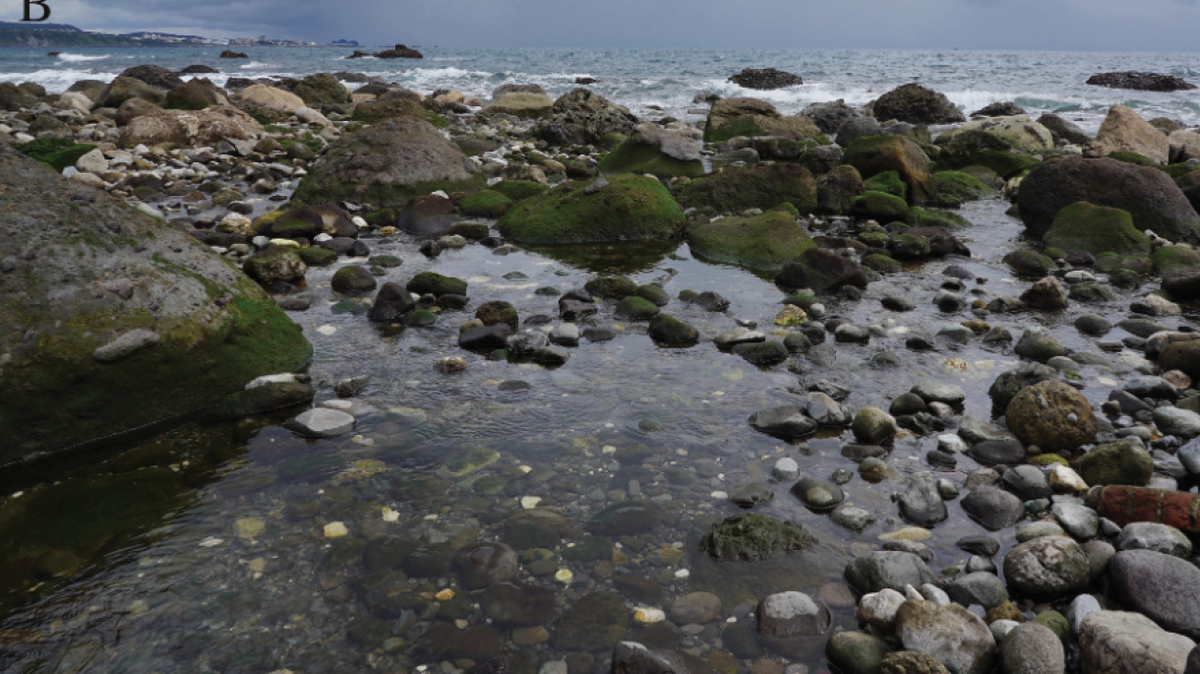
As the water receded with the tide from the mouth of two creeks in Taiwan, the gravelly bottom came into view.
With just a few inches of water between the sediment and the air, researchers spotted long, worm-like creatures emerging from the stones.
They dropped their nets into the water and pulled out not a marine worm or an eel, but a goby fish — and it’s a new species.
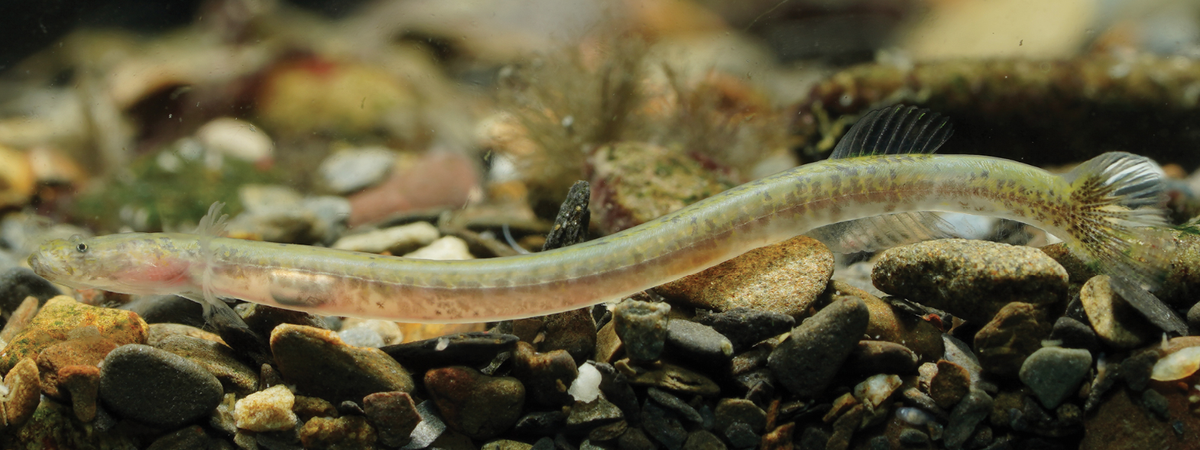
The wiggly fish is part of the earthworm goby genus, according to a study published July 9 in the journal ZooKeys.
The fish group is known for “elongated” and “scaleless” bodies, researchers said, and for occupying intertidal zones and estuaries across Russian, Korea, China, Taiwan, Japan and Vietnam.
While the fish in their nets had the same body shape, there were a few differences that made it stand out.
The goby’s inch-long body is white and yellow, lined with black spots down to its muscles, which are “semi-transparent,” researchers said.
Its lower jaw protrudes from the head, according to the study, and the fish’s cheeks and area behind the eye are covered in small papillae, or bumps, used to help sense the water and environment around it.
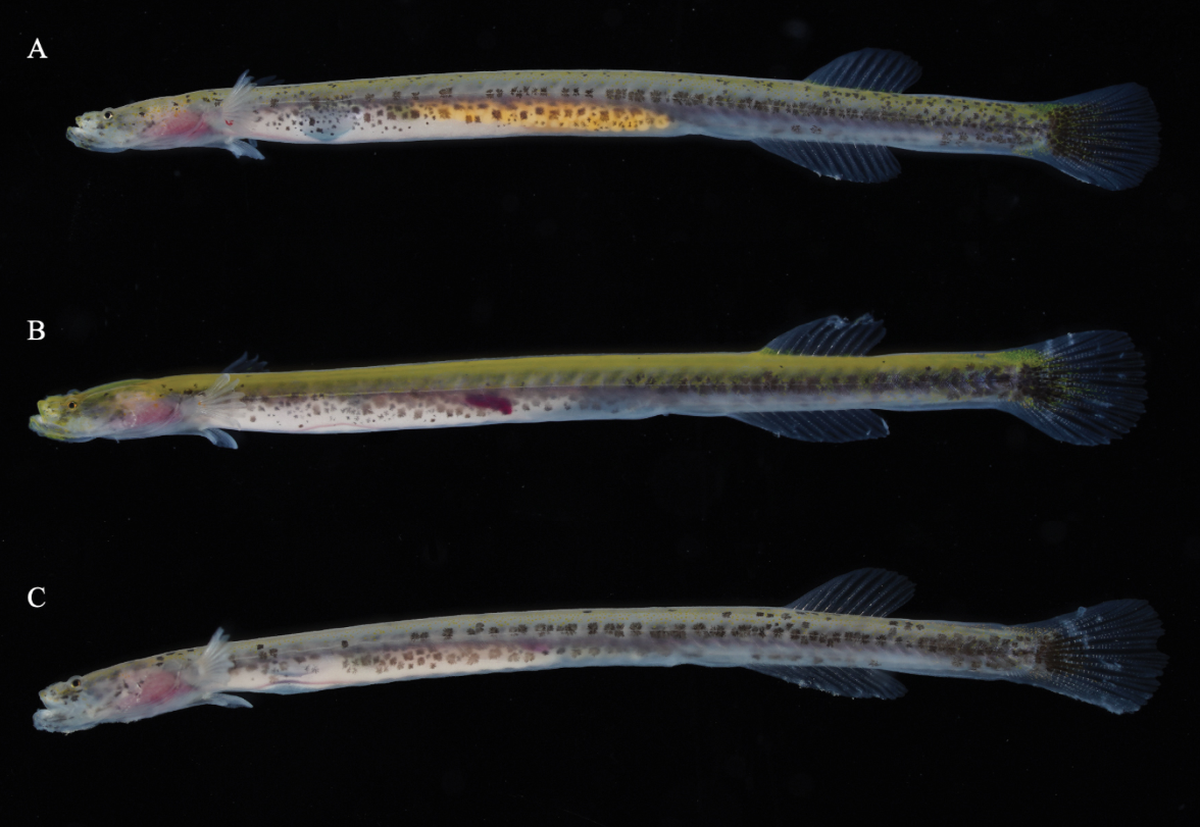
The new species name, luciogobius opisthoproctus, also highlights a unique feature of the fish.
“The specific name opisthoproctus is from the Greek words opisthe (behind) and proktos (anus), in allusion to the posteriorly positioned anus,” according to the study.
Researchers measured the AAA, “anus to anal-fin origin,” distance, meaning the length of body between the fin on the bottom of the fish and the fish’s anus, according to the study. This length was particularly small for earthworm gobies, again suggesting the fish belongs to a previously unidentified species.
“The new species is currently only known from northeastern and southeastern Taiwan. This species mainly inhabits shallow gravel creeks near coastal river mouths,” researchers said.
Both creeks where the fish were discovered flow into the Pacific Ocean along the eastern coast of Taiwan, according to the study.
The discovery comes just weeks after another new goby species was identified nearby in a June 24 study, McClatchy News reported.
This story was originally published July 11, 2024 at 9:43 AM with the headline "River creature — with earthworm-like body — discovered in Taiwan. It’s a new species."