Students dig up old stone wall in Spain — and confirm decades-old theory. Take a look
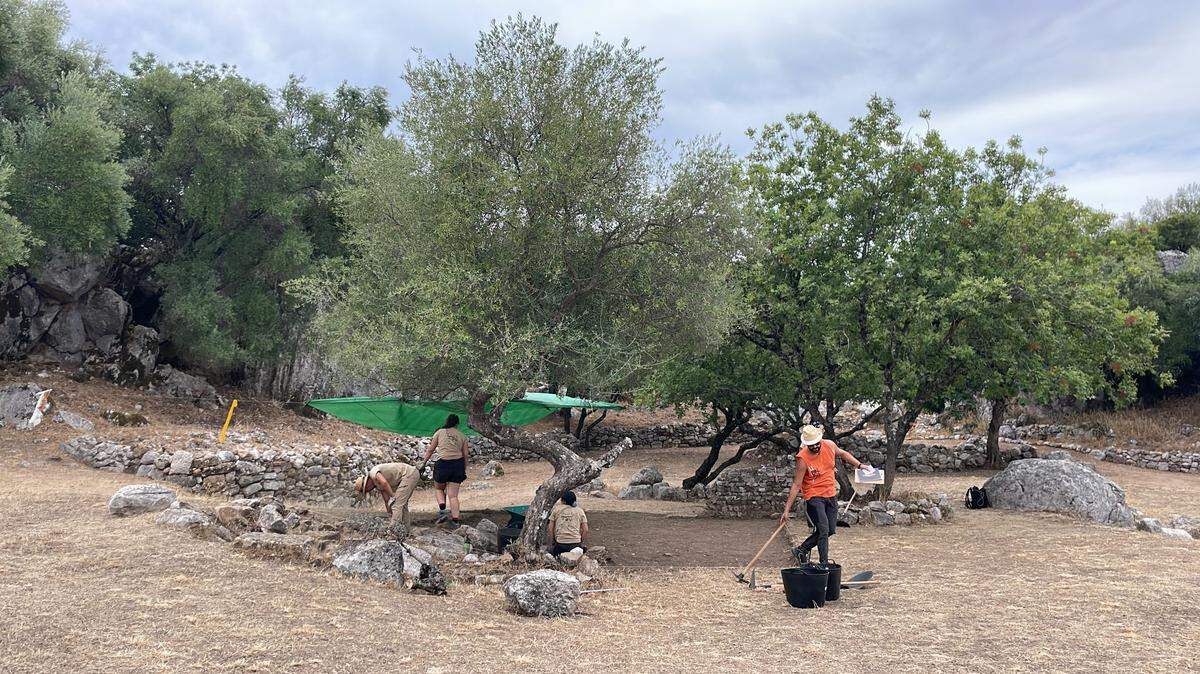
Archaeologists and university students excavated a stone wall in southern Spain and confirmed a decades-old theory. Photos show the ancient structures found at the site.
The theory came from Juan Vegazo, an 18th century scholar and local archaeologist, who purchased some land on a hill near Ubrique because he suspected the site had Roman ruins. He was right.
On the hilltop, known as Cerro de la Mora, Vegazo found ancient Roman defensive walls, a crumbling thermal bath complex and a burial ground, according to the Archaeological Site of Ocuri which currently manages the site.
But Vegazo didn’t find the ancient city’s forum, its bustling central market and gathering place — though he left a theory as to its location.
After years of speculation, a team of archaeologists, students and volunteers with the University of Granada decided to investigate, the school said in an Oct. 16 news release. Their search focused on the hill’s central terrace, Vegazo’s theorized forum location.
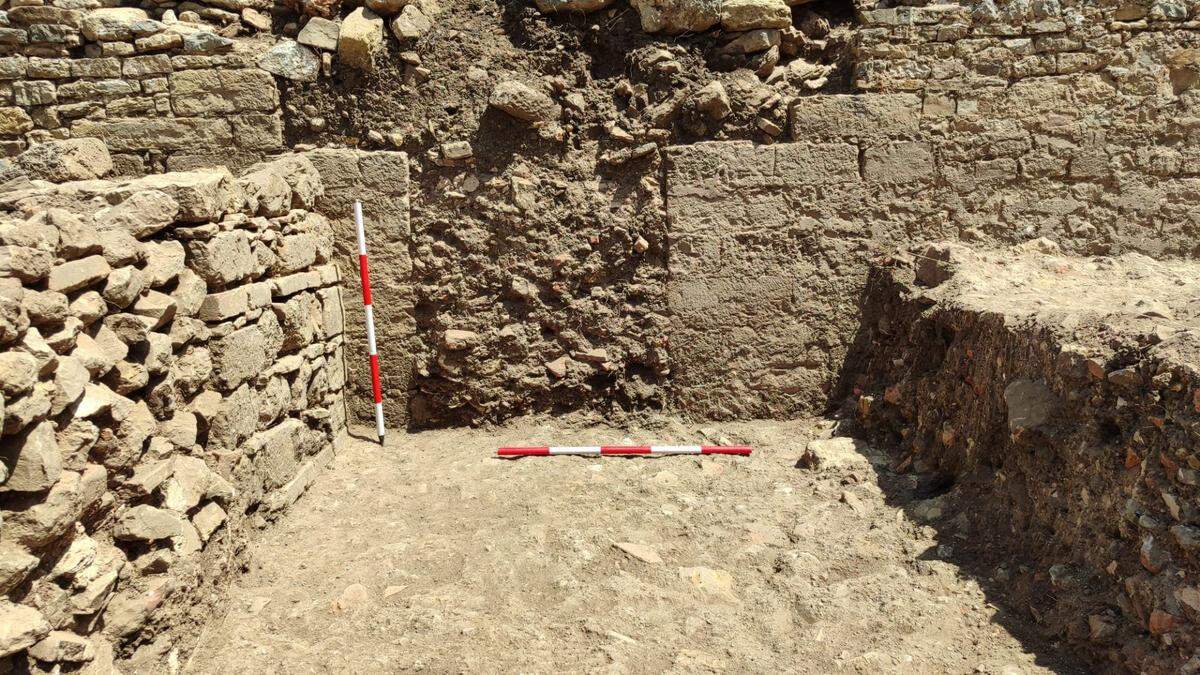
When the researchers arrived, “all that could be seen was the possible enclosure wall of the central square,” the university said. The old stone wall was about 3 feet tall and 50 feet long.
Digging into the hillside, the team soon uncovered a “monumental altar” and “decorative architectural remains,” such as “statue pedestals and column remains,” the university said. The fragments were “indicative of (the) large and clearly public buildings of the High Roman Empire.”
Vegazo had been right. The team found the forum’s ruins.
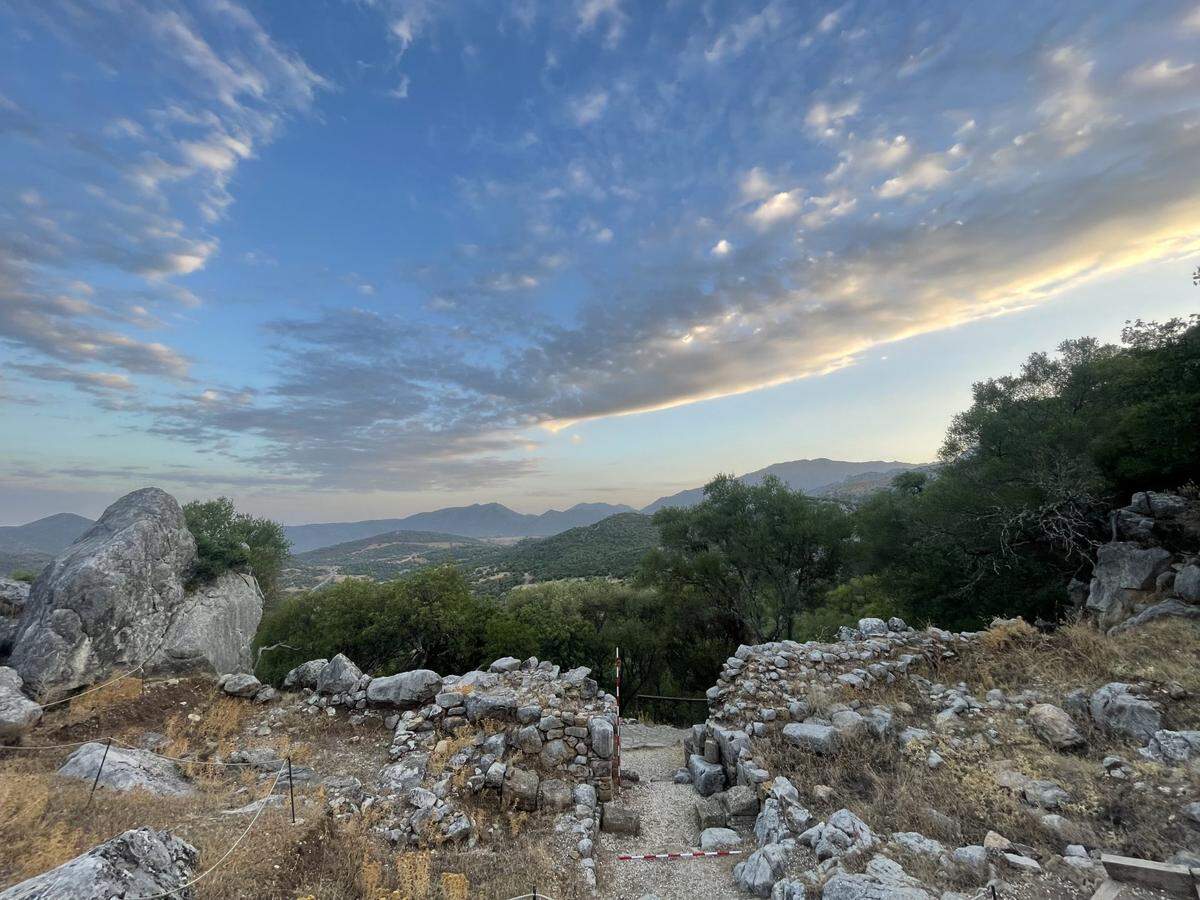
Photos show some of the Roman ruins unearthed during the excavation. Archaeologists also identified traces of a Roman religious site.
The university did not say how old the Roman ruins were. According to the archaeological site authorities, the ancient hilltop city flourished in the second century, about 1,800 years ago.
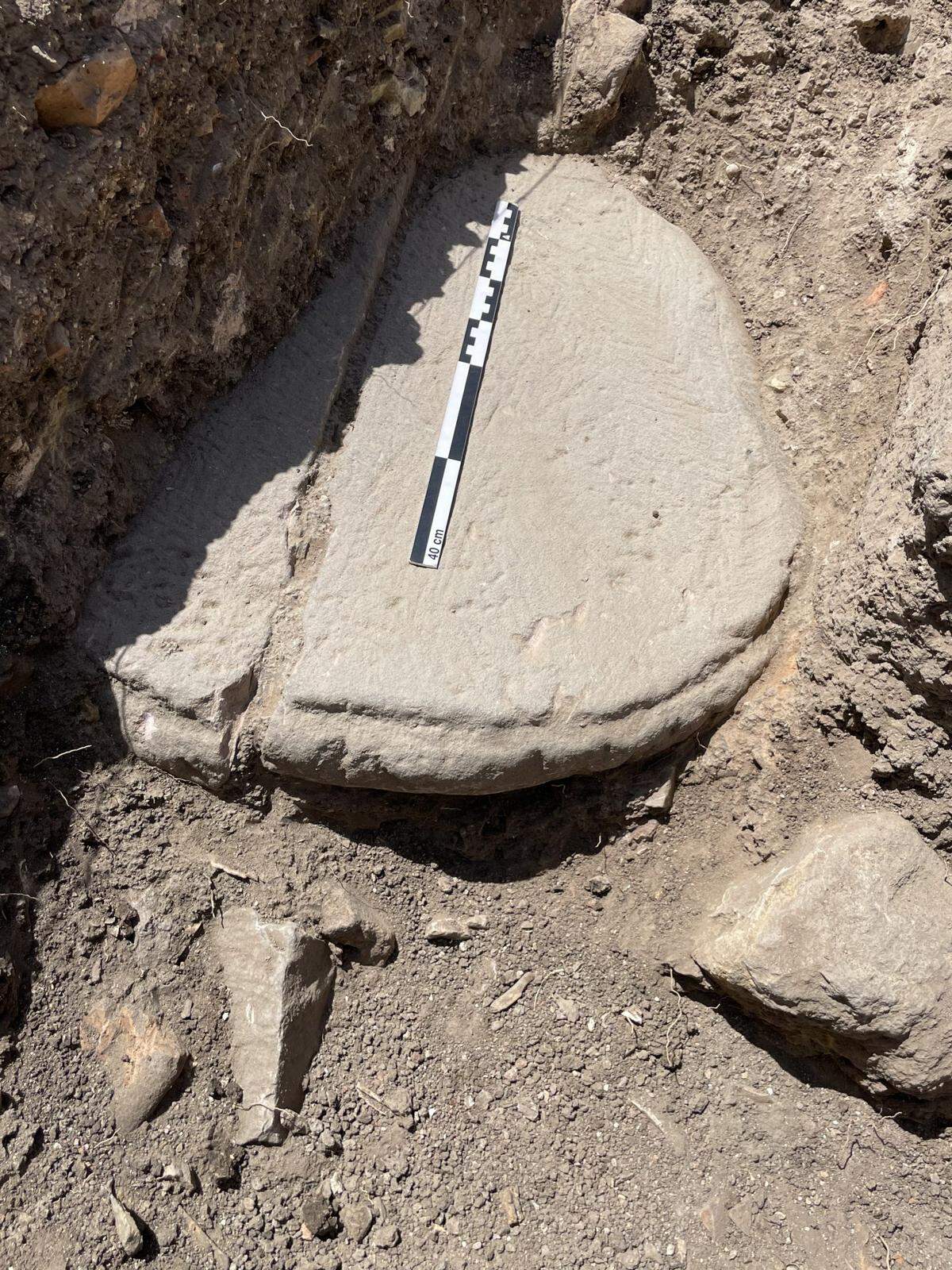
Recent excavations also found coins with early Christian iconography and pottery, suggesting the hill had been “continuously inhabited until the end of the 4th century,” researchers said. They also identified a possible medieval defensive structure.
Ubrique is a small town in southern Spain and a rough 400-mile drive southwest of Madrid.
This story was originally published October 23, 2024 at 6:06 AM with the headline "Students dig up old stone wall in Spain — and confirm decades-old theory. Take a look."