Ancient stone basins — built for relaxation — uncovered in France. Take a look inside
Along the bank of a river in southern France, an ancient people built their settlement.
The site was occupied from the Paleolithic era until medieval times, and throughout difficult times in history, the settlers sought out a reprieve.
They found it in the waters of a spa.
Archaeologists have been working at the site to better understand the urban framework built there, including portions buried underneath the village today, according to a Dec. 9 news release from the French National Institute for Preventative Archaeological Research.
Just outside the main settlement, researchers discovered a series of hydraulic structures, basins and masonry, divided into three different spaces, archaeologists said.
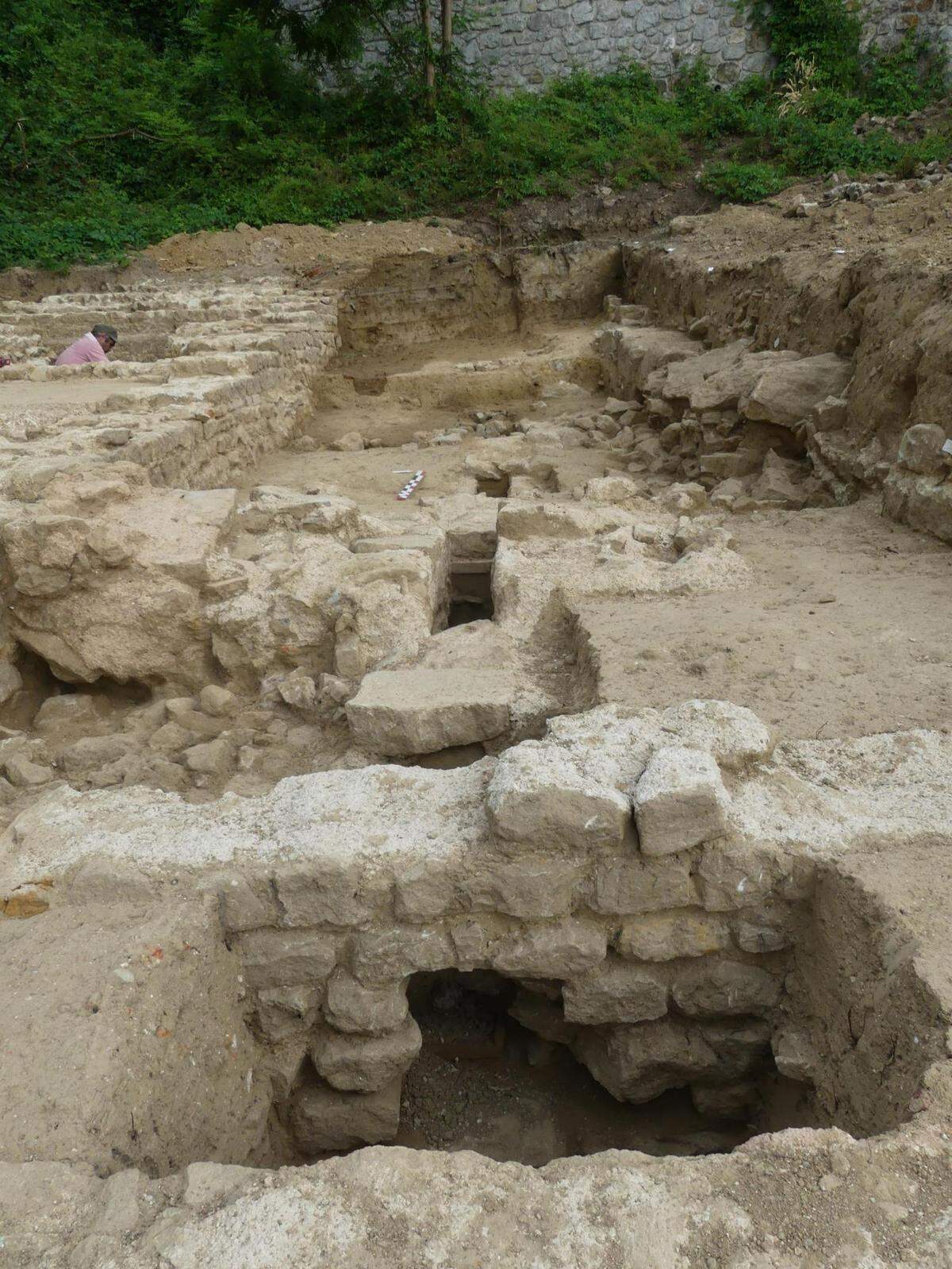
The basins varied in size, and some were fitted with tile mortar, while others were decorated or lined with a marble slab, according to officials.
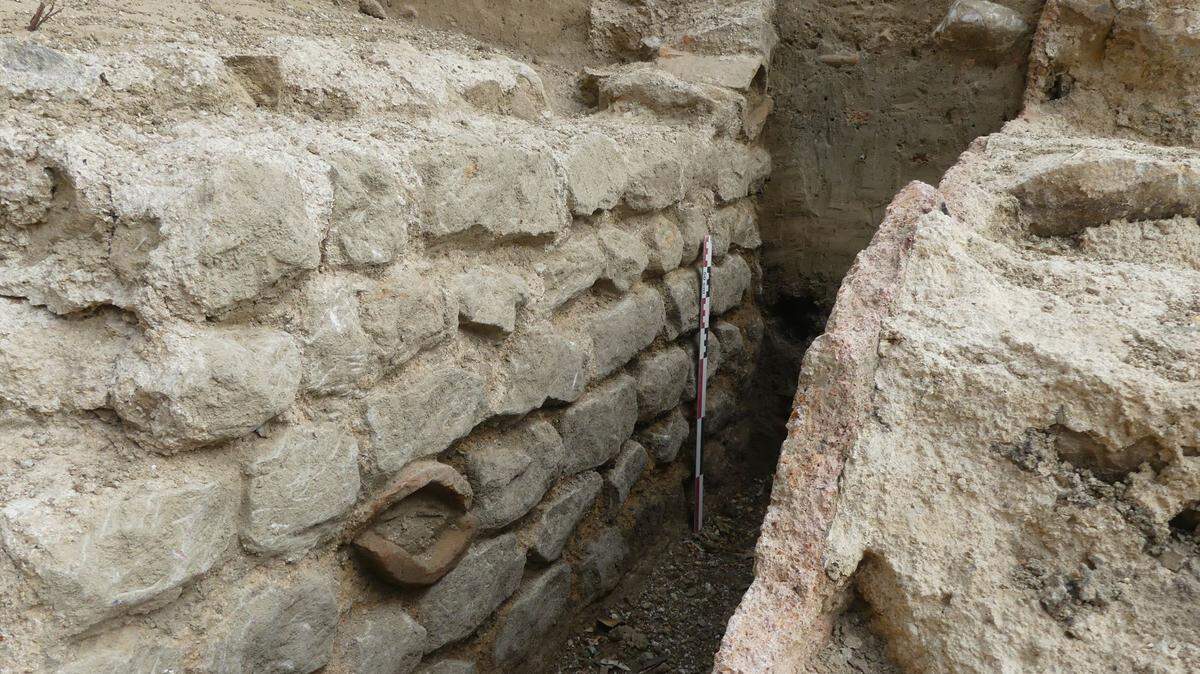
One basin had a bench built around its edge, and archaeologists found terracotta pipes navigating through the walls and masonry gutters installed under the basins.
There was also a structure that allowed for a more significant flow of water between two walls, and builders added hydraulic mortar beads and foundations that would have prevented an increase in humidity that could affect the masonry built next door.
These added structures would have also helped clear water from the residential portion of the building, likely located above the basins, researchers said.
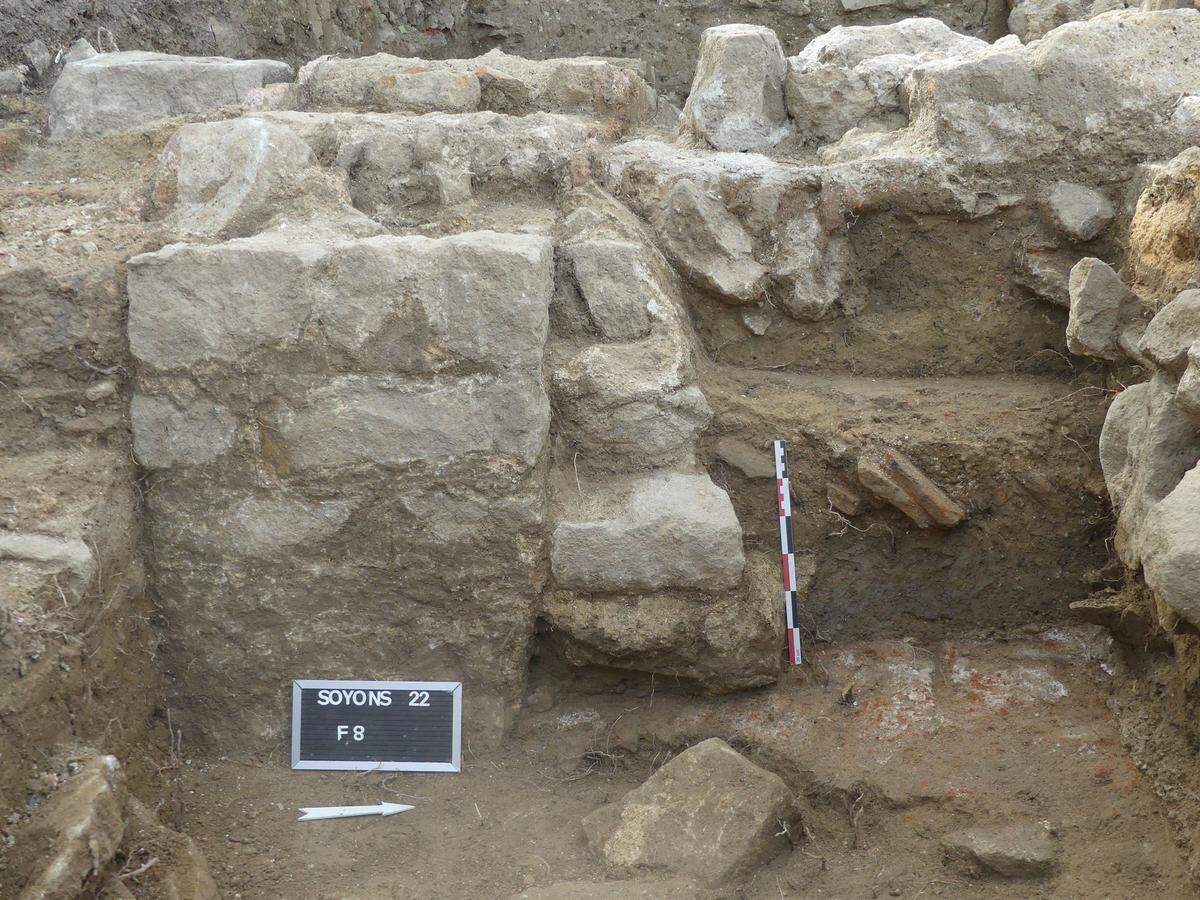
All of the wastewater from the basins flowed into a large collector built between two walls, nearly 6 feet tall, according to officials.
The terracotta pipes were formed by laying semi-cylindrical tiles on top of one another, creating a channel that brought water from the basins back out to a main gutter, archaeologists said. The gutter then allowed the water to flow into a spring, where water was still bubbling today.
Archaeologists say the structure was likely intentionally built over a spring, meaning the large basins were not meant for work or crafts, but rather for pleasure and relaxation, a type of thermal spa.
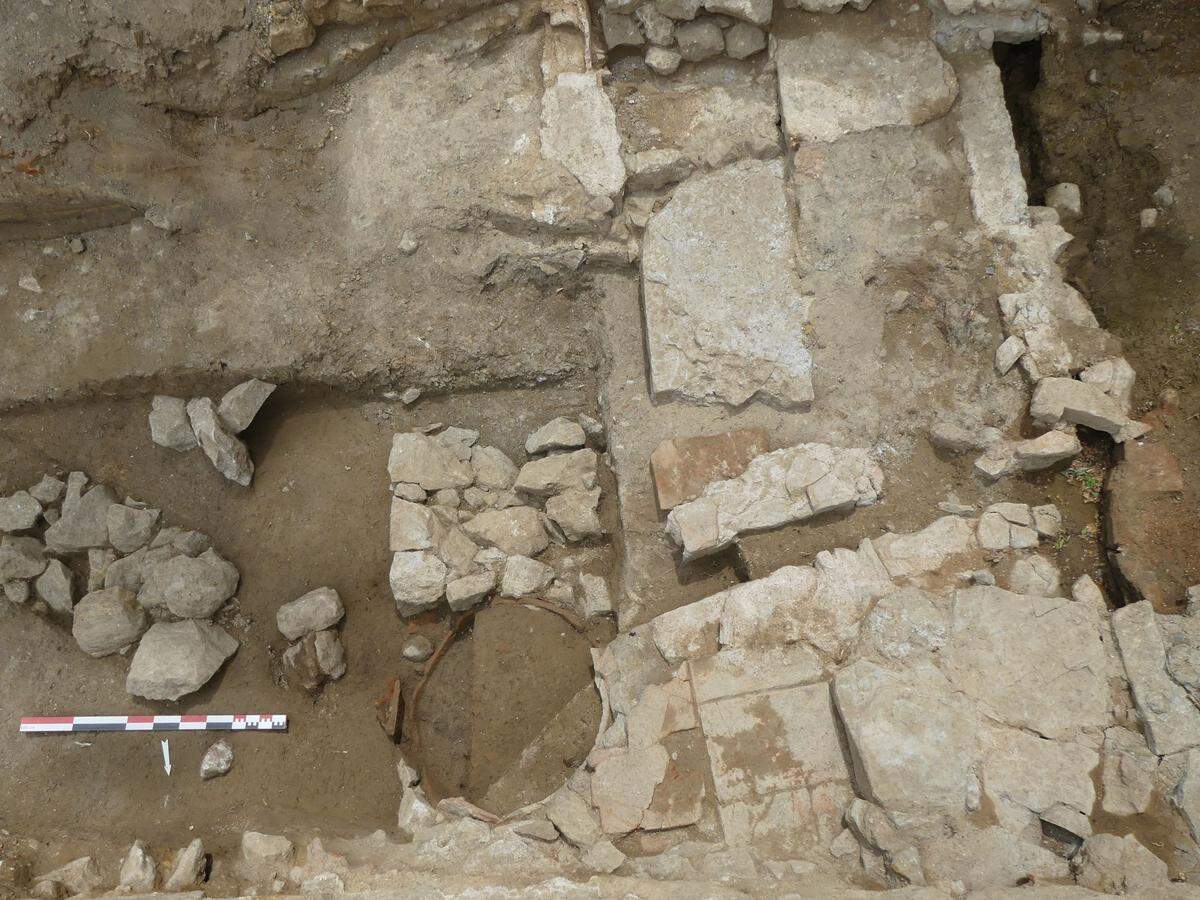
Researchers said the wastewater management system is elaborate and perfect, and includes a large jar that would have been used to collect rainwater from the roof, like a rain barrel today, according to officials. A hole in the jar’s side would allow rainwater to flow out of the jar and into a masonry channel and into the spa.
Despite elaborate ways of managing the wastewater, researchers are unsure how the basins themselves would have been filled. There were likely other structures upstream from the spa that would have directed spring water into the bathing facility, but those have not yet been uncovered, archaeologists said.
Researchers had previously found hypocausts, a Roman system of circulating hot air under floors and rooms to warm them, and pipes, suggesting that these basins may have been heated, though a praefurnium, or furnace room, has not been discovered.
They have also previously found painted coatings, marbles and tools, suggesting this was a place of comfort, despite its location on the edge of the settlement, archaeologists said.
The site is on the right bank of the Rhône River outside Valence, in southeastern France.
Google Translate was used to translate the news release from the French National Institute for Preventative Archaeological Research.
This story was originally published December 11, 2024 at 8:26 AM with the headline "Ancient stone basins — built for relaxation — uncovered in France. Take a look inside."