
History-making tomb and first-of-its kind fortune-telling spoon: See recent discoveries
The summaries below were drafted with the help of AI tools and edited by journalists in our News division. All linked stories were reported, written and edited by McClatchy journalists.
Throughout history, cultures have left behind a trail of breadcrumbs for archaeologists to follow. New sites and artifacts are found all the time, revealing forgotten secrets of the past.
Here are some of the latest discoveries:
3,500-year-old tomb of ancient king unearthed in Egypt. See what was found inside
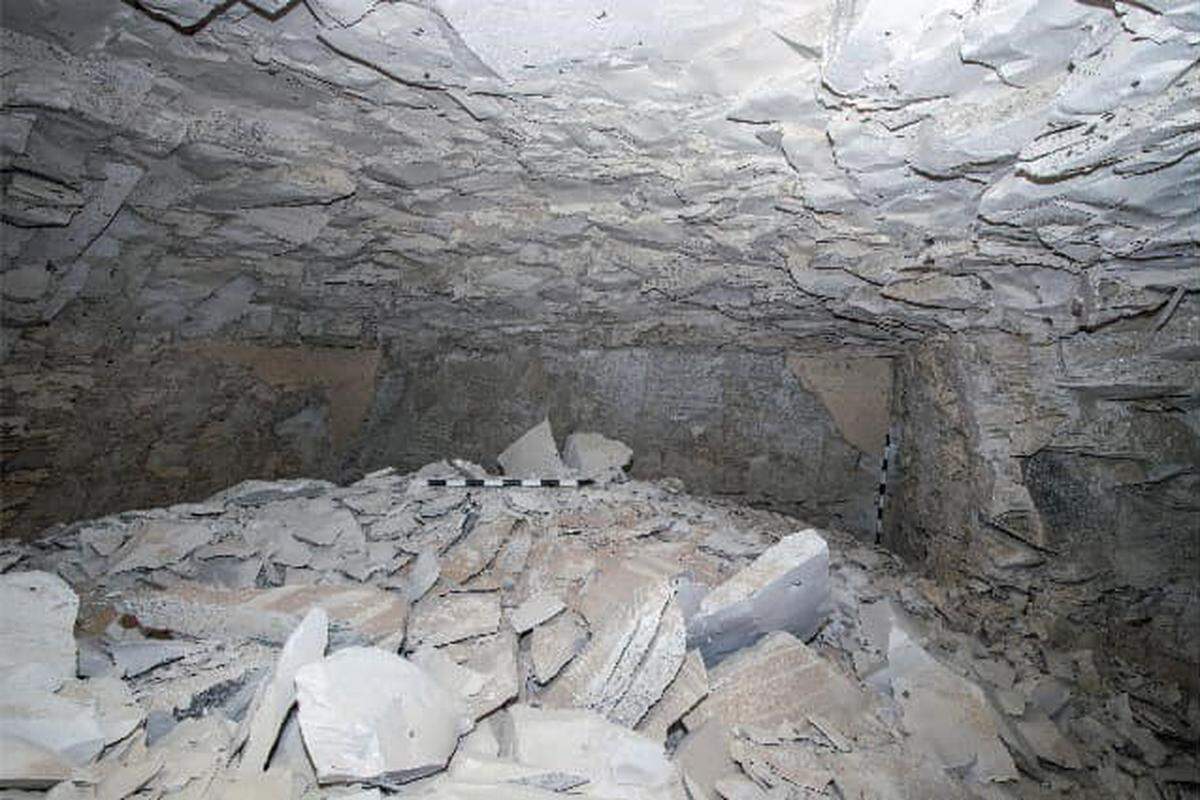
Archaeologists in Egypt have discovered the long-lost tomb of ancient King Thutmose II near Luxor. The tomb, known as No. C4, contains artifacts such as alabaster vase fragments inscribed with the king’s name and sections of a religious book linked to Egyptian kings. This discovery sheds light on the mysterious life and reign of Thutmose II. | Published Feb. 18 | Read More |
Odd burials suggest distant travelers met their end on France barrier island. See them
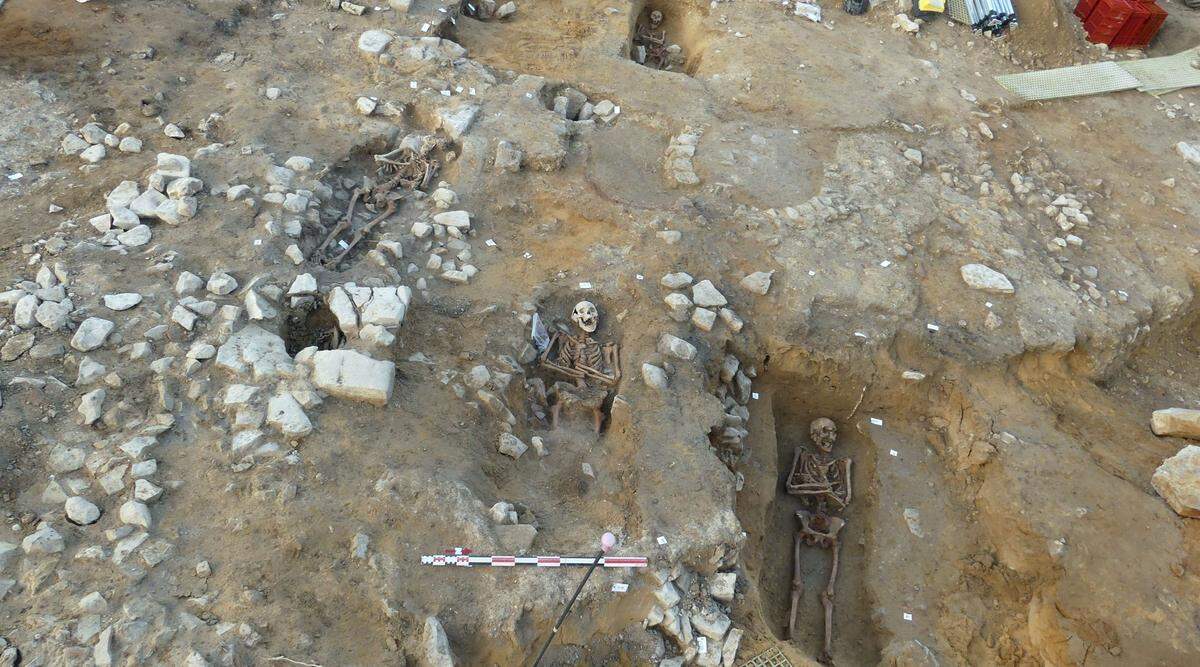
On Île de Ré, France, archaeologists found unusual burials around a medieval chapel, hinting at the island’s past as a shelter for travelers. The graves, some dating back 1,200 years, contained personal items like beads and combs, suggesting contact with Nordic countries. The findings raise questions about the origins of those buried there. | Published Feb. 19 | Read More |
Metal detectorists searching for WWII artifacts uncover much older and rarer weapon
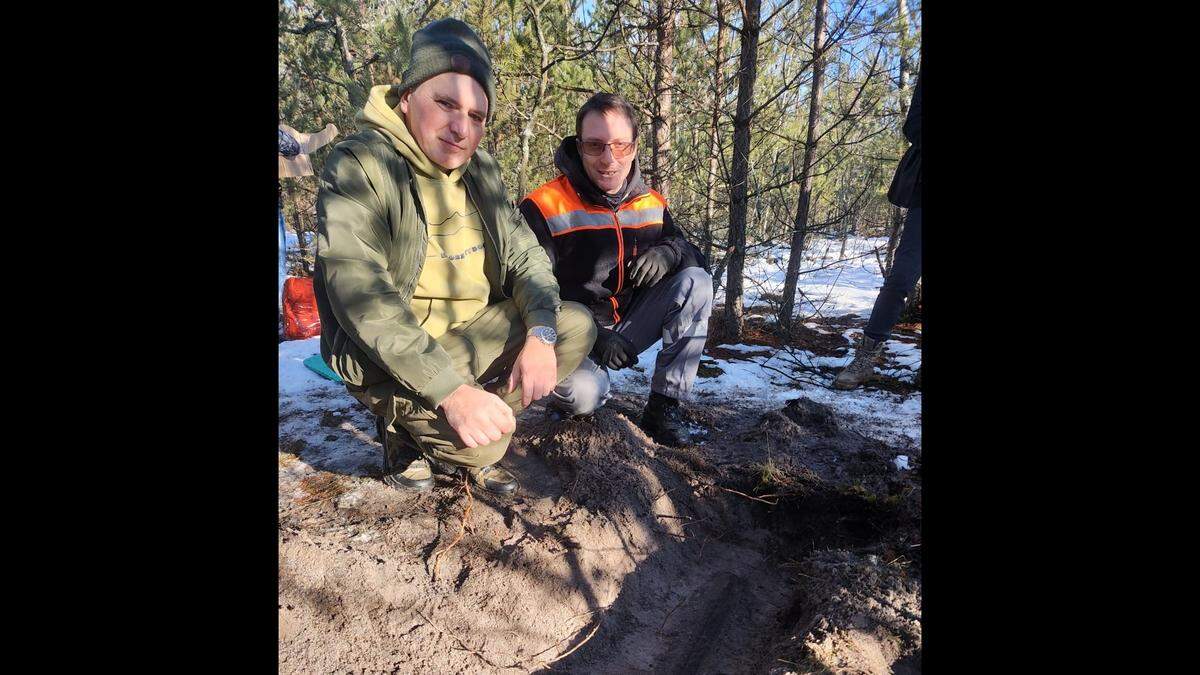
In a Polish forest, metal detectorists discovered a Roman spatha sword, dating back over 1,700 years, near Kraków-Częstochowa Upland. The sword, broken in two, might have been used by Vandal warriors and buried in a funeral ritual. The find is significant as it’s the first spatha sword discovered in the area. | Published Feb. 19 | Read More |
Metal detectorist stumbles upon first-of-its-kind ancient find for Isle of Man. See it
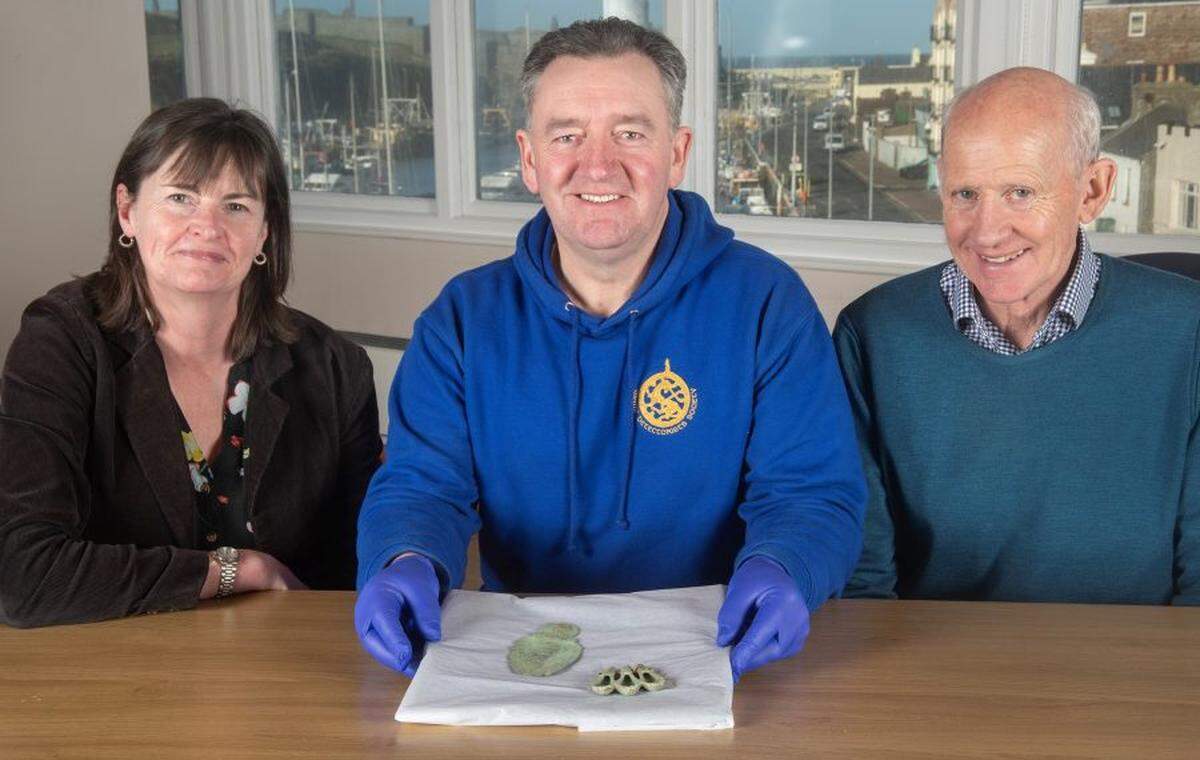
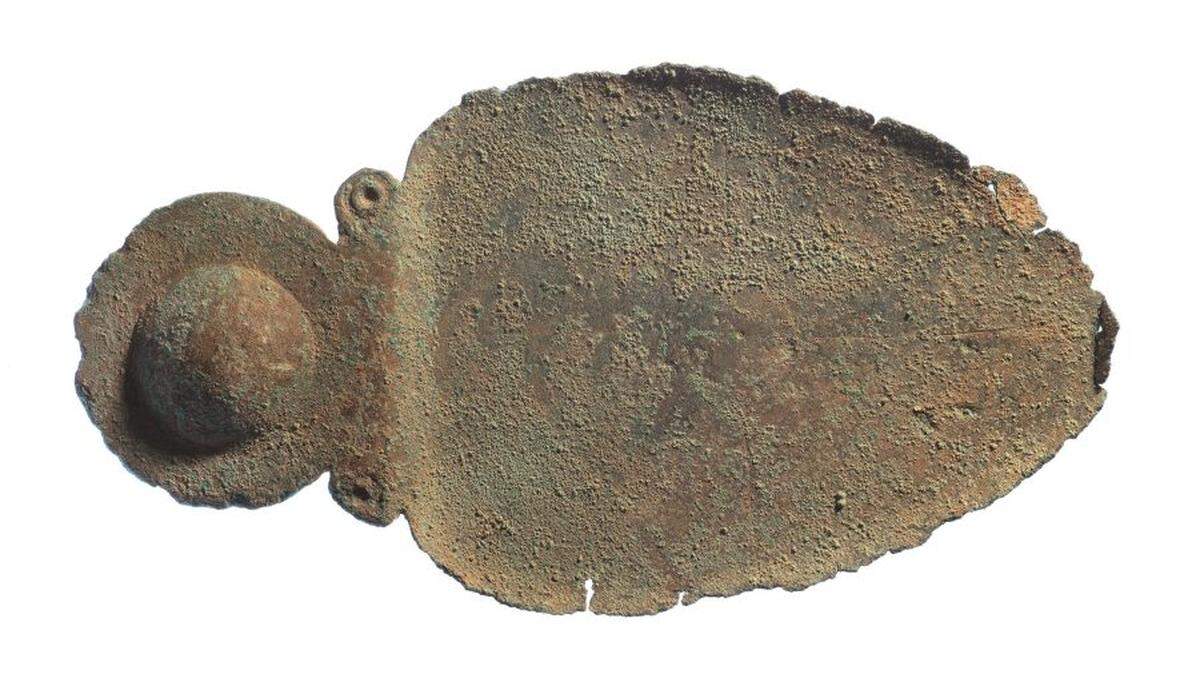
On the Isle of Man, a metal detectorist uncovered a rare 2,000-year-old spoon used in fortune-telling rituals. The bronze spoon, with a strawberry-shaped bowl and engraved lines, is the first of its kind found on the island. Similar spoons have been discovered in the UK, Ireland, and France, making this the 28th example worldwide. | Published Feb. 20 | Read More |
Massive two-handed sword — wielded by medieval fighter — discovered in Poland. See it
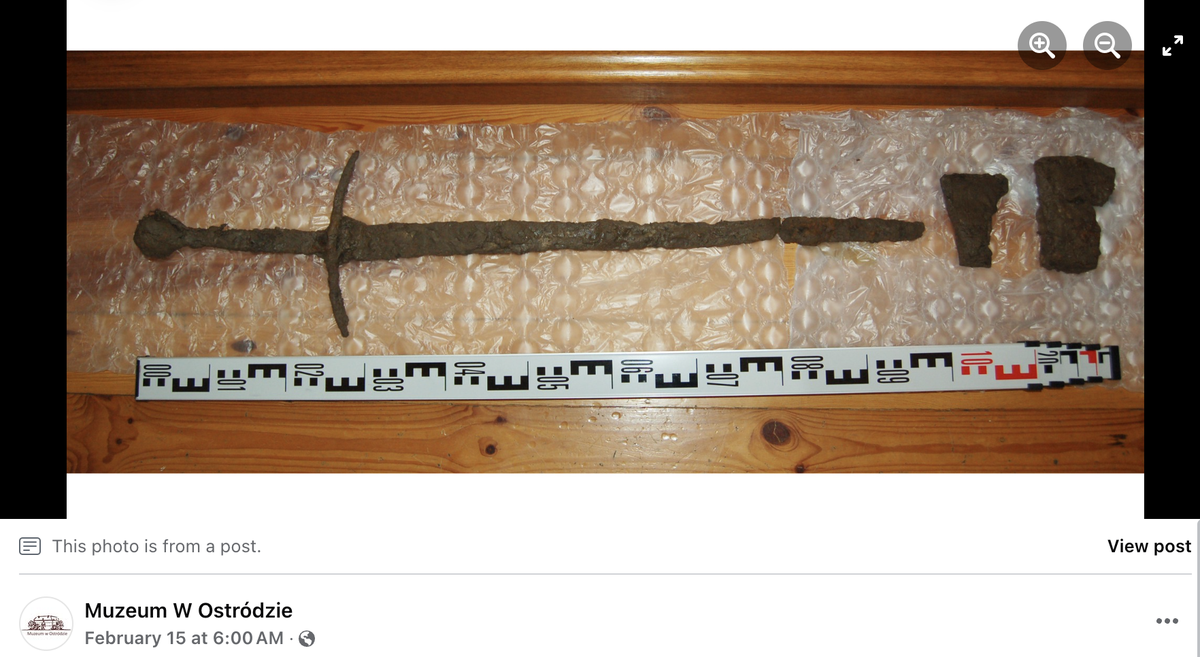
In northern Poland, history enthusiasts unearthed three medieval weapons, including a two-handed sword, near the Osa River. The weapons date back to the 14th and 15th centuries, a time when the Teutonic Order was active in the region. The well-preserved items are now housed in a museum inside a former Teutonic castle. | Published Feb. 20 | Read More |
McClatchy News continues to follow the discovery of intriguing archaeological discoveries from around the globe. Check back to see the latest finds.
This story was originally published February 21, 2025 at 8:23 AM with the headline "History-making tomb and first-of-its kind fortune-telling spoon: See recent discoveries."