4,500-year-old baby rattles discovered in Syria — made from clay. See the toys
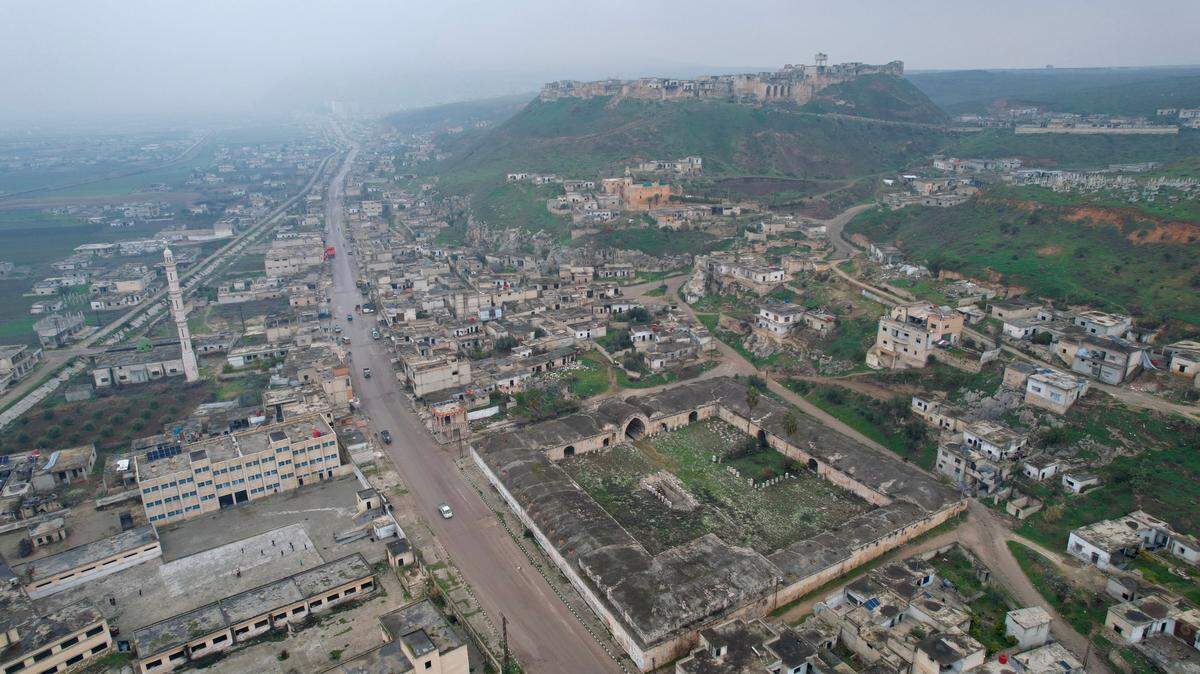
In an ancient city in western Syria, the remains of an “ordinary” neighborhood were excavated in the early 1930s.
It was small but held a pottery production center and a temple, and may have acted as a destination for pilgrims. It was also a place where regular people, the non-elites, lived out their lives thousands of years ago.
Nine decades after the site was first excavated, new analysis of pottery pieces found in the city show ancient parents wanted the same thing parents seek today — some peace and quiet.
A total of 19 pottery pieces were found from the Early Bronze Age in the city of Hama, and were made in the material and style of the local skilled potters, according to a May 19 news release from the National Museum of Denmark.
The pieces were handles that would then have been attached to orb-like structures, researchers said, making a kind of maraca-like item.
The orbs likely “contained little pieces of clay or small pebbles, which enabled the production of sound,” but “the noise they make is so low” researchers eliminated the “possibility that they might have been used as musical instruments,” according to the release.
Instead, they were likely used as baby rattles.
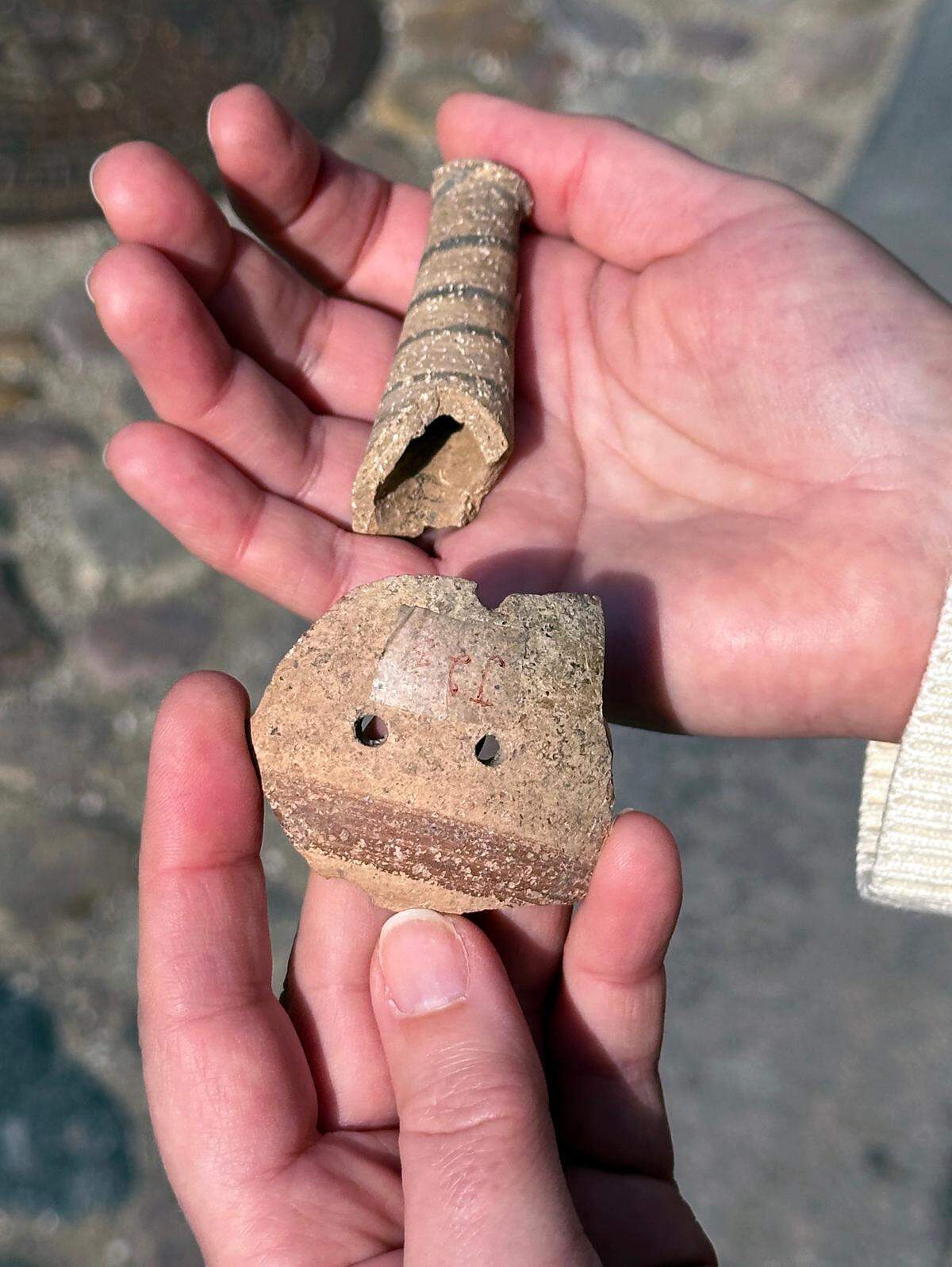
“The rattle fragments are decorated with painted bands of mainly dark buff/reddish/black color; either thick bands, smaller single or double horizontal bands, or diagonal/spiral painted lines,” according to a study on the finds published April 30 in the peer-reviewed journal Childhood in the Past. “In some cases, the end of the handle is decorated with a painted circular or a cross motif.”
The rattles weren’t found in rooms, researchers said, but rather in the fill layer between building levels. They were often found together in a single area.
The earliest rattle dates to 2450 B.C., while the youngest came from another level dated to between 2300 and 2000 B.C., making all the rattles more than 4,000 years old, according to the study.
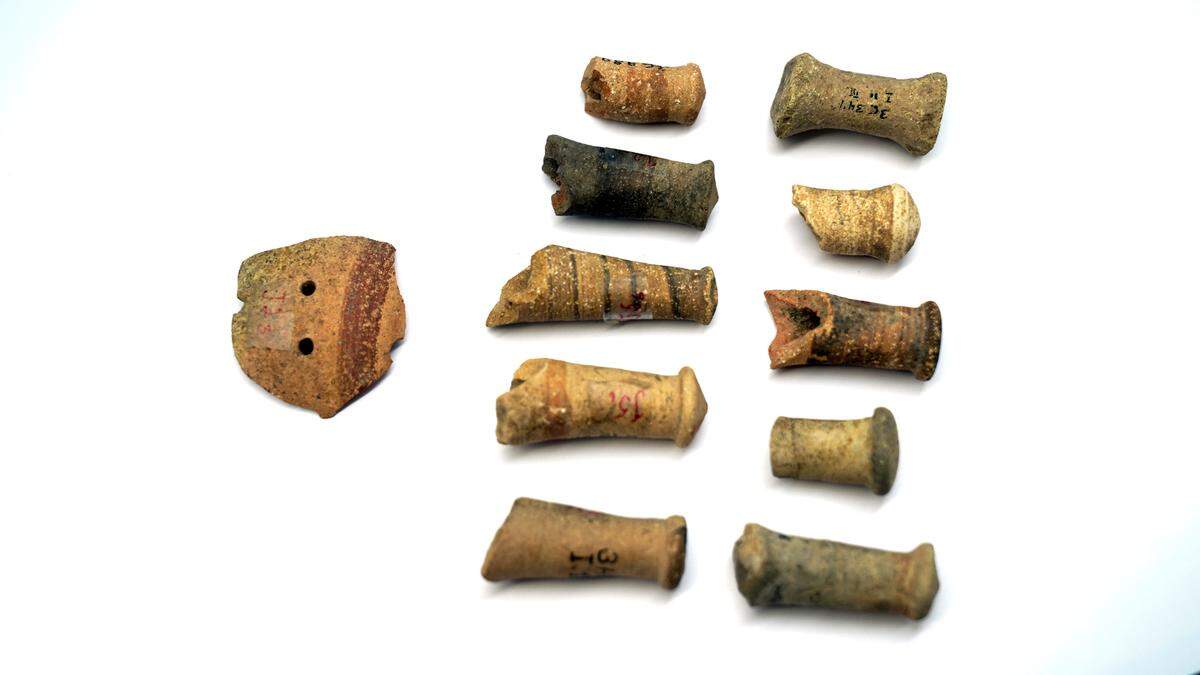
The clay mixture, a calcareous clay with other essential minerals, is the same as what was used by the skilled potters in the workshop, researchers said. This means the rattles were likely part of their regular production, and may have been sold on the market along with cups and bowls.
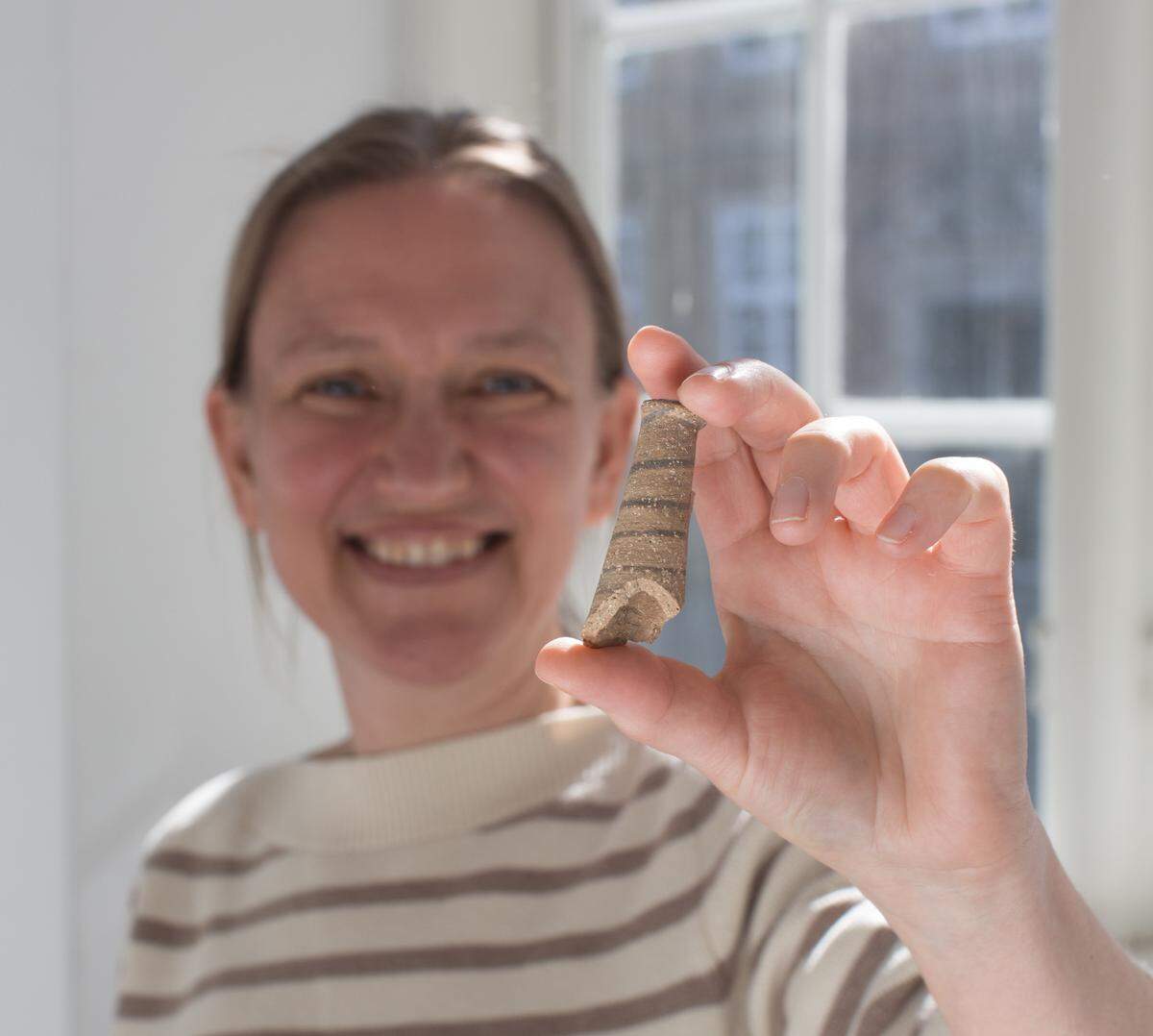
“It shows us that parents in the past loved their children and invested in their wellbeing and their sensorimotor development, just as we do today,” Mette Marie Hald, a study author and researcher at the National Museum of Denmark, said in the release. “Perhaps parents also needed to distract their children now and then so that they could have a bit of peace and quiet to themselves. Today, we use screens, back then it was rattles.”
The handles themselves are small, fit to a child’s hand, again suggesting they were used as a toy as opposed to an instrument or something utilitarian, researchers said.
“When you find items such as these, the tendency in archaeology has been to interpret them as musical instruments or even cultic objects when, really, they are something much more down-to-earth and relatable such as toys for children,” Hald said.
One of the oldest known baby rattles was found in an infant burial in northern Mesopotamia, dating to the Ubaid period between 5300 and 5000 B.C., according to the study.
The rattles became widespread in the third millennium B.C., researchers said, sometimes made of clay while other times made from gourds or other material.
Toys became more widespread as there started to be professionalized industries, even in places like Hama, and men and women started to both hold a form of a job outside the home, according to the study.
“I hope that this will provide us with a greater insight into the world of children in the past. From an economic point of view, it is fascinating that already 4500 years ago, there was an actual market for commercial toys,” Hald said. “At the same time, it is touching to get a glimpse of a family’s everyday life — perhaps a parent stopped at a market stand on their way home and bought a rattle as a present for their child. This scenario is entirely recognizable to us today.”
Hama is in western Syria, roughly a 60-mile drive east from the Mediterranean Sea.
The research team includes Hald, Georges Mouamar, Stephen Lumsden and Agnese Vacca.
This story was originally published May 20, 2025 at 2:31 PM with the headline "4,500-year-old baby rattles discovered in Syria — made from clay. See the toys."