
‘Rare’ and ‘elusive’ sea creature washes ashore with calf in Ireland, photos show
Two rare deep-sea whales recently washed up on Ireland’s coast. Experts say it’s part of a “cluster” of strandings across Europe.
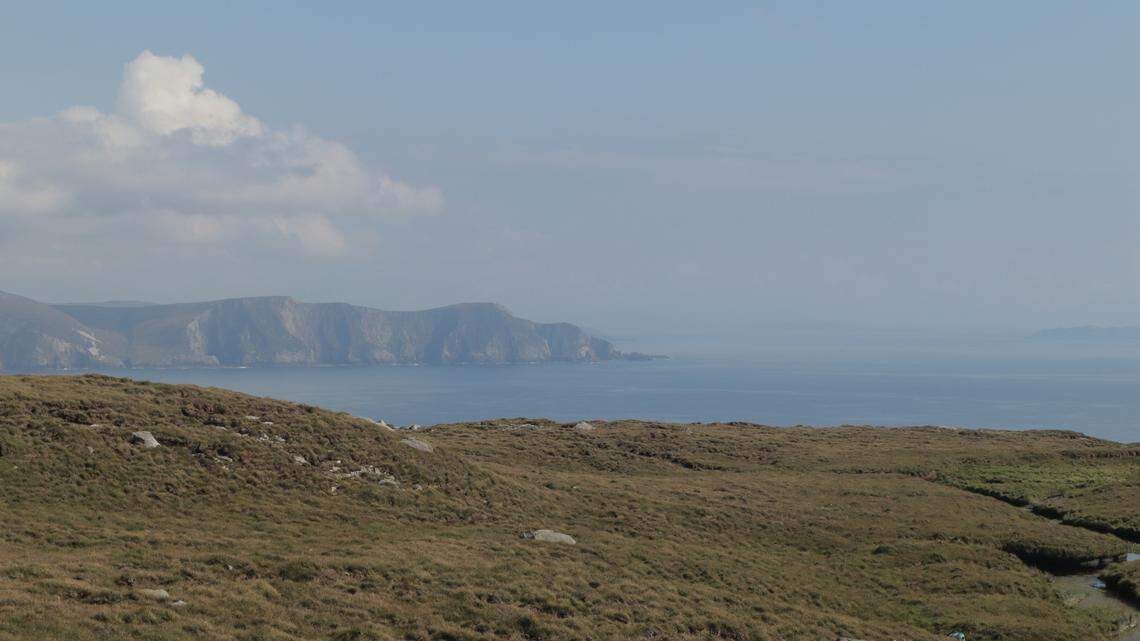
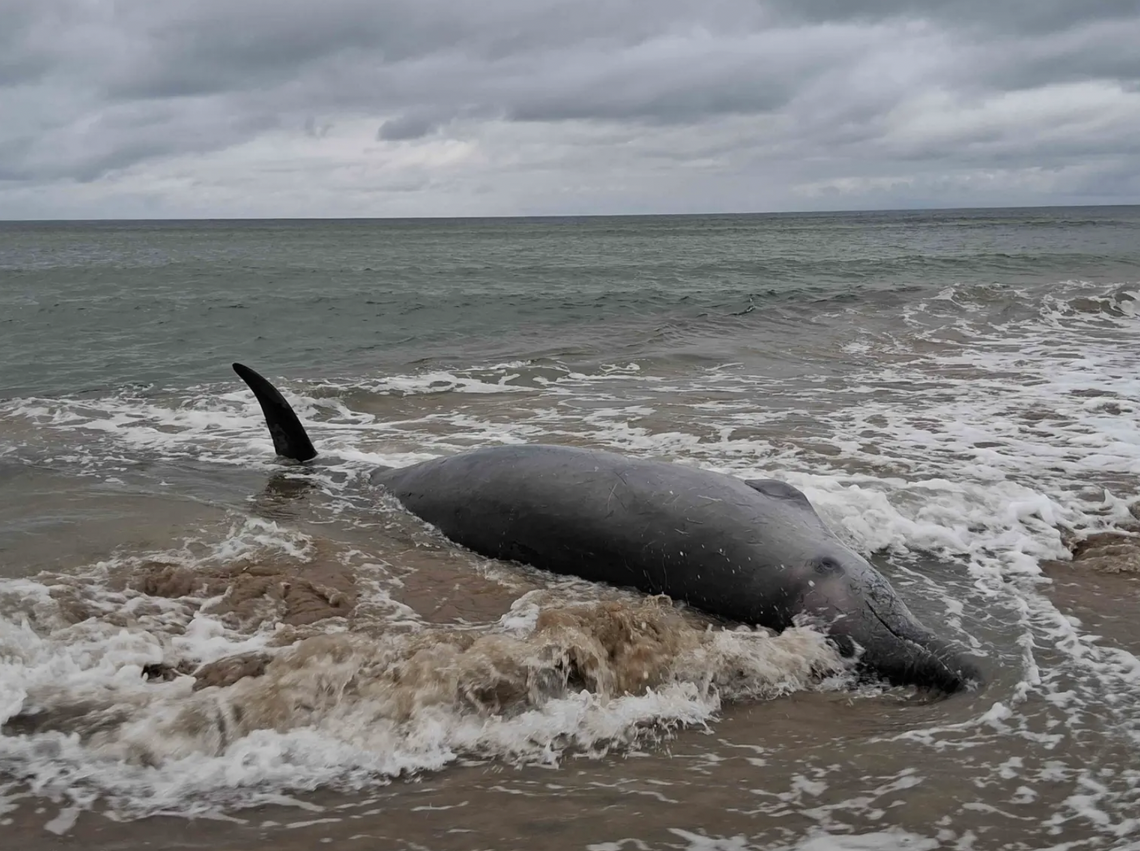
On July 27, a female True’s beaked whale and her calf beached themselves on the shore in County Mayo, located on the west coast, according to a news release from the Irish Whale and Dolphin Group (IWDG), a nonprofit.
“Unfortunately, the mother whale died within moments of stranding, while the calf managed to free itself and swim away,” the release said.
Photos posted by the group show the creature’s gray carcass partially submerged in shallow water.
A postmortem was later conducted, revealing the female had been lactating, suggesting the dependent calf would be unlikely to survive.
What are True’s beaked whales?
True’s beaked whales — members of the beaked whale family, Ziphiidae — are an “elusive” and poorly understood species typically found in the deep ocean.
The animals can dive to depths of around 2,600 feet in order to hunt squid and other creatures.
They can grow up to 17.5 feet in length and weigh 3,000 pounds, according to the National Oceanic and Atmospheric Administration (NOAA).
“True’s beaked whales are considered ‘data deficient’ by the International Union for Conservation of Nature’s list of threatened species, meaning that there is not enough information to assess their population status,” per NOAA.
‘Cluster’ of strandings
The whale’s death in Ireland comes after a “cluster of beaked whale strandings” that have taken place across northern Europe in recent weeks, IWDG said.
In late July, several northern bottlenose whales — which are a type of beaked whale — were discovered dead in Orkney, located in northern Scotland, according to The Guardian. And similar strandings occurred on July 26 in the Netherlands.
It’s not clear what caused the spate of deaths, but experts noted that several factors could have played a role.
The strandings may simply have resulted from natural causes, such as illness or injury, according to IWDG.
Though the group noted that “multiple strandings of deep-diving species in different regions in a short time may indicate a shared acoustic event.”
Loud underwater noises can be caused by human activity, such as surveys for offshore oil and sonar exercises, according to The Guardian. This could cause the whales to come to the surface too quickly, resulting in a sickness.
It’s also possible that rising sea temperatures have altered feeding habits, affecting whale’s food supply, the outlet reported, noting the bottlenose whales showed signs of starvation.
This story was originally published July 30, 2025 at 3:25 PM with the headline "‘Rare’ and ‘elusive’ sea creature washes ashore with calf in Ireland, photos show."