
Park ranger spots unfamiliar creature — and rediscovers species after 20 years
In the streams and rivers of the Colombian Andes, there once was a small, pitch-black creature.
Atelopus marinkellei, a harlequin toad, was discovered in the 1970s and quickly fell under “one of the world’s most endangered genera (animal groups) of vertebrates,” according to a study published Sept. 30 in the peer-reviewed journal Check List.
But after that first discovery and description, there were only a few records of the toad again, and the last time the species appeared in the scientific record was more than 19 years ago, according to the study.
Then a park ranger went for a walk.
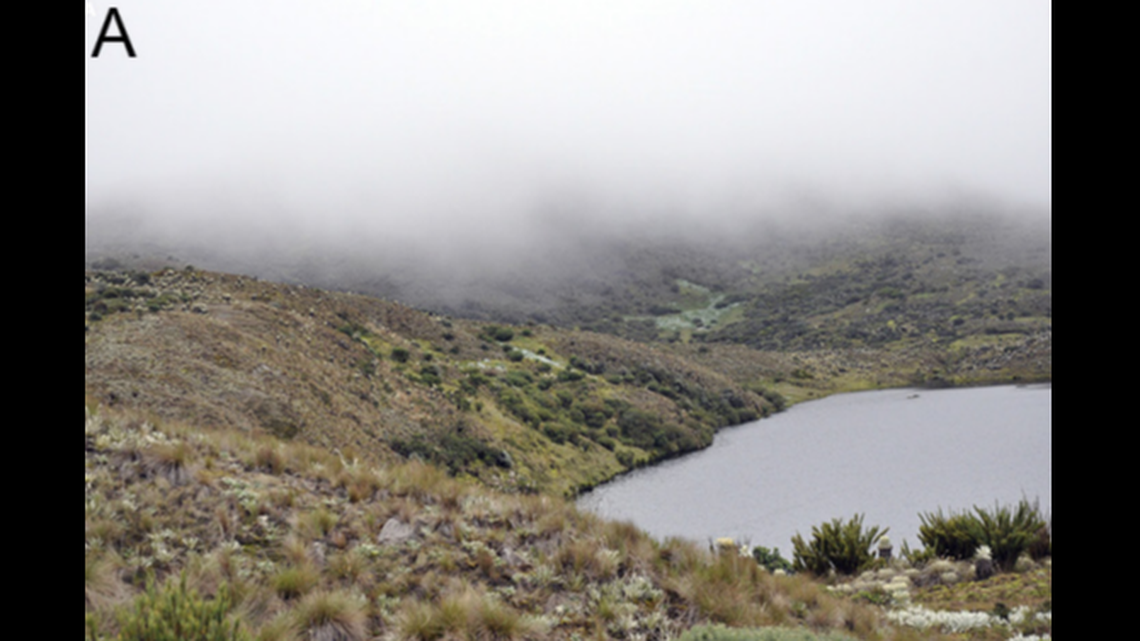
In the regional natural park Páramo de Siscunsí, community park rangers make regular rounds, conducting routine surveys of the animals and plants that call the protected area home, according to the study.
It was early in the morning in April, and the park ranger made their way along a rural road just off the main road toward a nearby lagoon, keeping their eyes trained on the ground in front of them, researchers said.
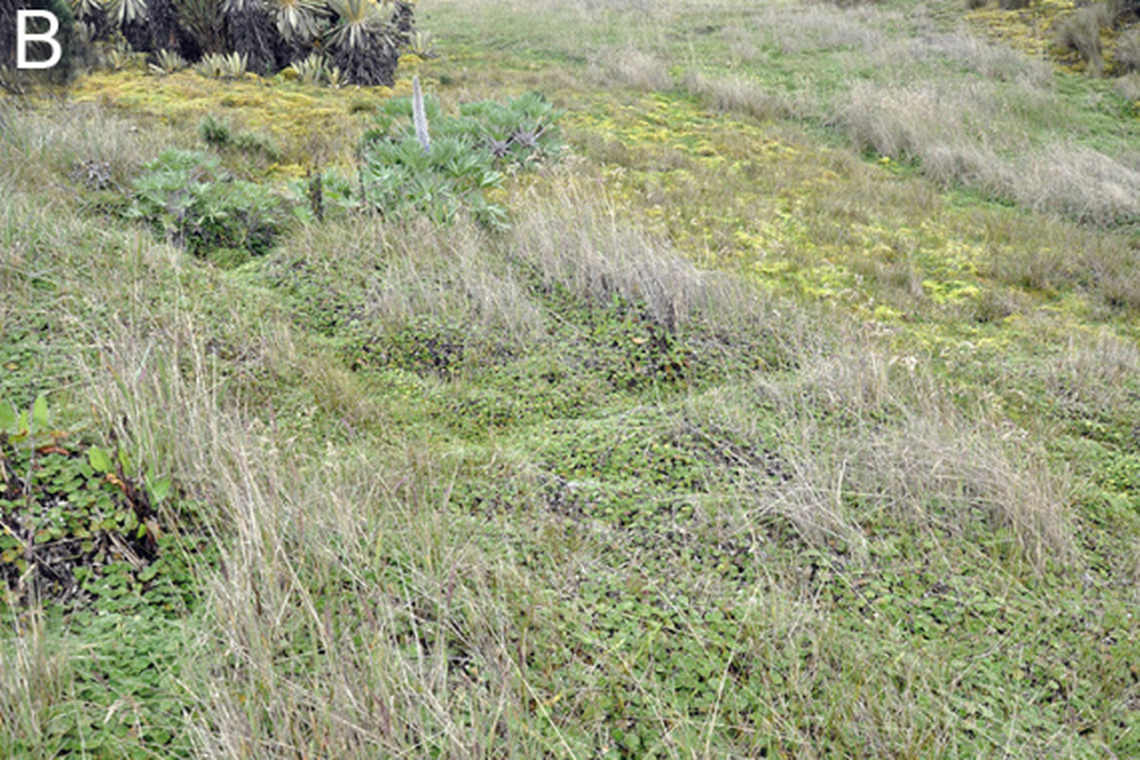
Then, they noticed a black toad with white flecks of color sitting on the “moss-covered ground,” according to the study.
It was Atelopus marinkellei.
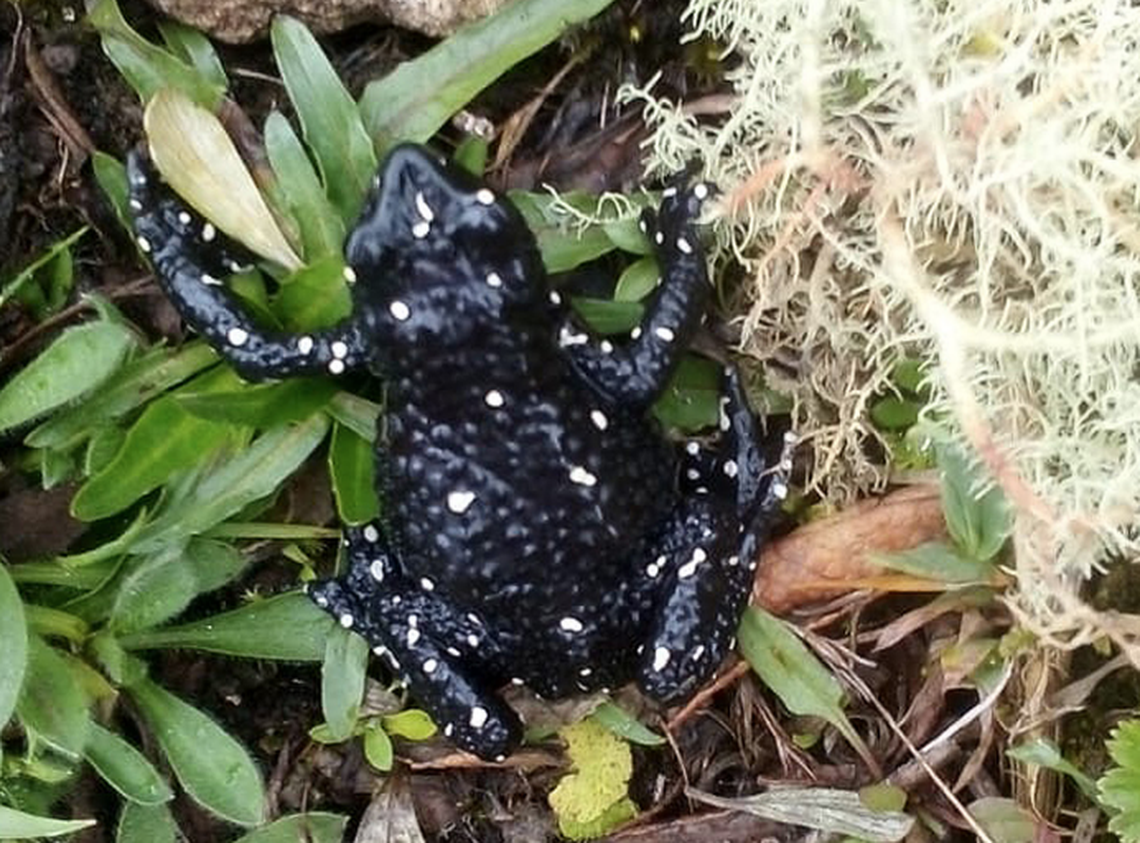
The ranger snapped a photo and quickly alerted researchers from the Universidad Nacional de Colombia, according to the study.
The toad “fled” after the photo was taken, but it “was not actively seeking any specific microhabitat or environmental condition,” researchers said.
“Over the past 20 years, virtually no information has been recorded on Atelopus marinkellei, with only three confirmed observations to date,” researchers said. The last official records were in May and October of 2006, all above elevations of 9,800 feet and within the confines of the protected area.
Therefore, the park ranger’s territory is the “only known remnant habitat” for the species, and the toad is listed as “critically endangered.”
Researchers worry the lack of data on the species will only add to its extinction potential on top of habitat degradation, climate change and emerging pathogens.
“The absence of detailed information on the natural history of A. marinkellei, combined with its restricted distribution range, highlights the urgent need to focus future conservation efforts on identifying the specific stressors affecting the species in the wild,” researchers said. “With more robust data, it will be possible to better guide conservation actions, secure the long-term survival of A. marinkellei, and contribute to the broader understanding of biodiversity in the Andean páramos of Colombia.”
This kind of research, however, wouldn’t be possible without community partners like the park ranger who spotted the toad, according to the study.
“The active involvement of park rangers not only facilitated the detection of this individual but also illustrates the essential role that community reserves can play in conserving threatened species,” researchers said.
The Páramo de Siscunsí is in north-central Colombia.
The research team includes Raul Andres Galvis-Cordoba and Juan Manuel Carvajalino-Fernández.
This story was originally published October 1, 2025 at 11:57 AM with the headline "Park ranger spots unfamiliar creature — and rediscovers species after 20 years."
