‘Slender’ creature — ‘quick’ to change color — discovered as new species in India
In the hills of southern India, a “slender” creature climbed several feet off the ground and tucked itself under some tree bark. But the hiding place — and its “quick” color changes — wasn’t enough to keep passing scientists from finding it.
It turned out to be a new species.
A team of scientists visited Seshachalam Biosphere Reserve in 2023 and 2024 to survey wildlife. Previous research suggested the area might be home to some undescribed species, so the team was hopeful, according to a study published Oct. 27 in the peer-reviewed journal Herpetozoa.
During their surveys, researchers found six unfamiliar-looking lizards hiding under tree bark, the study said. Intrigued, they took a closer look at the animals, analyzed their DNA and quickly realized they’d discovered a new species: Hemiphyllodactylus venkatadri, or the Venkatadri slender gecko.
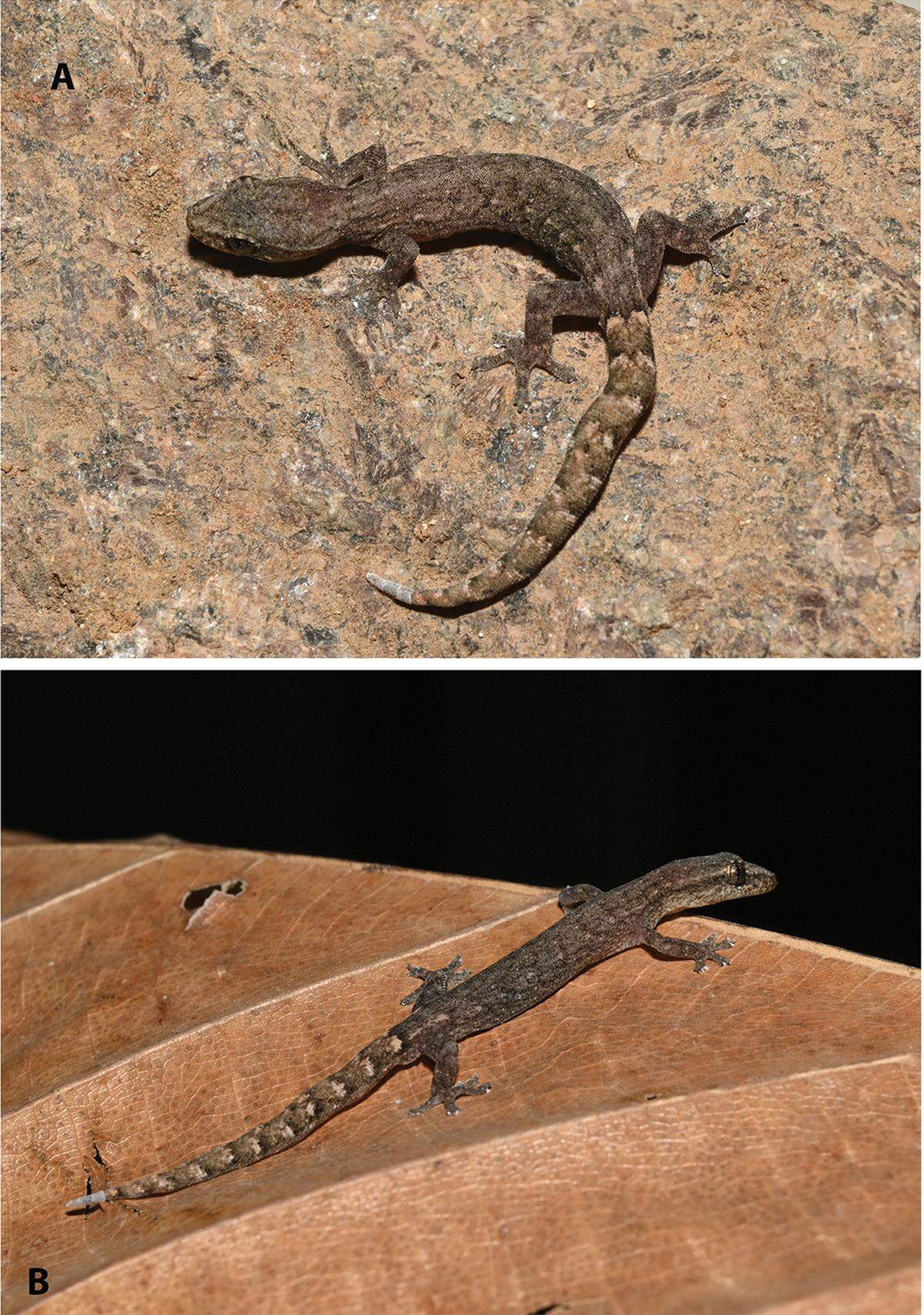
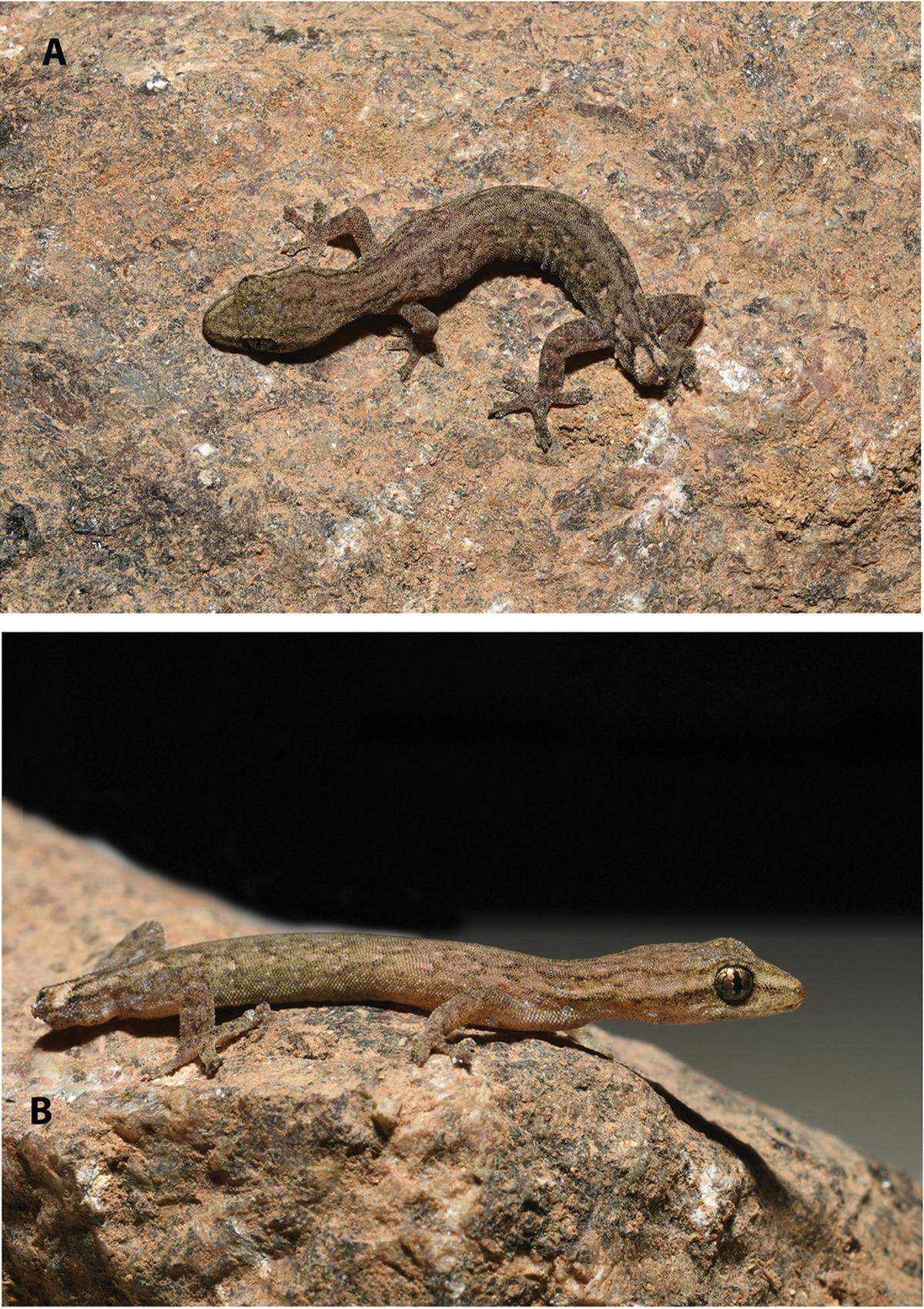
Venkatadri slender geckos are considered “small,” reaching just over 2 inches in length, the study said. They have “slightly elongate” heads with “small” eyes and a “short” snout. Their limbs are “short,” and they have “spurs” at the base of their tails.
Photos show the “mottled brown” coloring of the new species and its “irregular speckling.” Researchers described the geckos as being “quick to change their color.”
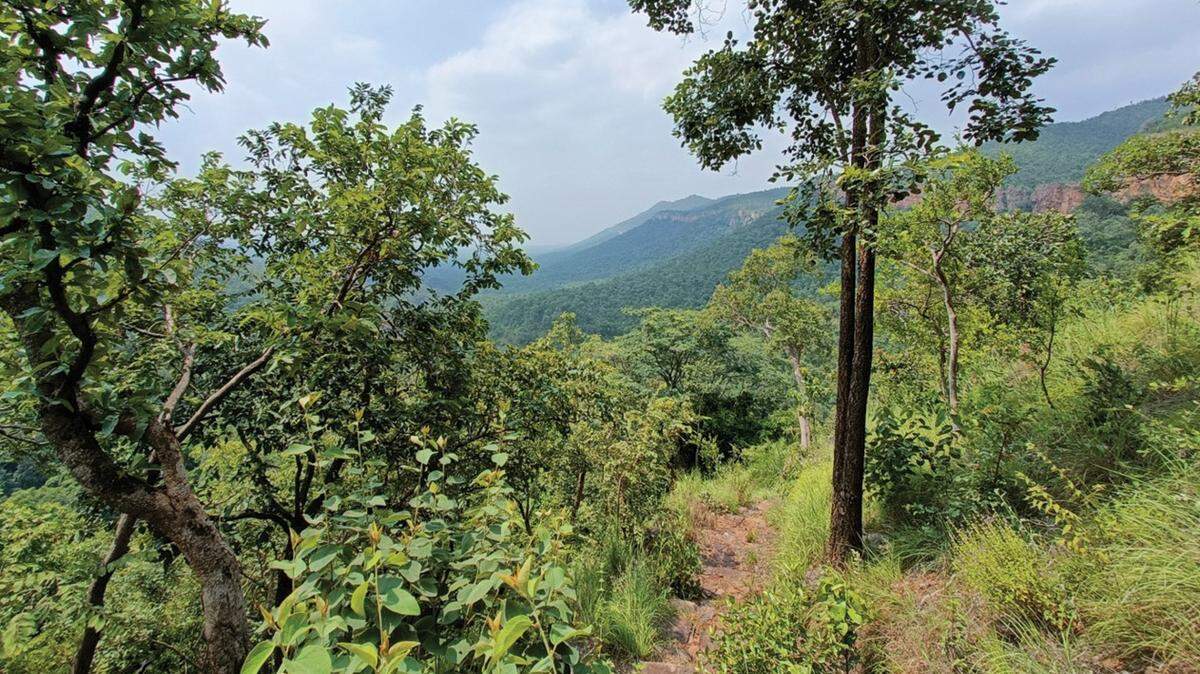
Venkatadri slender geckos were found in “a patch of grassland” ringed by a forest at an elevation of about 2,900 feet, the study said. One gecko was found on a tree plantation. All the geckos were found under tree bark 5 to 10 feet off the ground.
Much about the new species’ lifestyle and behavior remains unknown.
Researchers said they named the new species after the Venkatadri Hills where it was first discovered and, so far, the only area where it has been found. The word “Venkatadri” is a combination of a name for Vishnu, a key Hindu deity, and the Sanskrit word for “mountain.”
The Venkatadri Hills are part of the Seshachalam Biosphere Reserve in Andhra Pradesh, a state of southeastern India.
Researchers described the reserve as “ecologically rich with diverse habitat types” and concluded that “systematic sampling of both fauna and flora is required for the effective conservation of biodiversity in this unique landscape.”
The new species was identified by its coloring, scale arrangement, body proportions, finger and toe pads, pores and other subtle physical features, the study said. DNA analysis found the new species had at least 9% genetic divergence from related species.
The research team included Bharath Bhupathi, Sumidh Ray, B. Laxmi Narayana, M. Karuthapandi, Deepa Jaiswal, Niladri Kar and Pratyush Mohapatra.
This story was originally published October 28, 2025 at 7:33 AM with the headline "‘Slender’ creature — ‘quick’ to change color — discovered as new species in India."