
Babies of ‘one of Australia’s rarest mammals’ born in wild at park for first time
In a protected forest of eastern Australia, one of the country’s “rarest mammals” wandered past a trail camera, its pouch bulging slightly from the baby tucked inside. Conservationists later looked at the photos and immediately recognized them as a “major” conservation milestone.
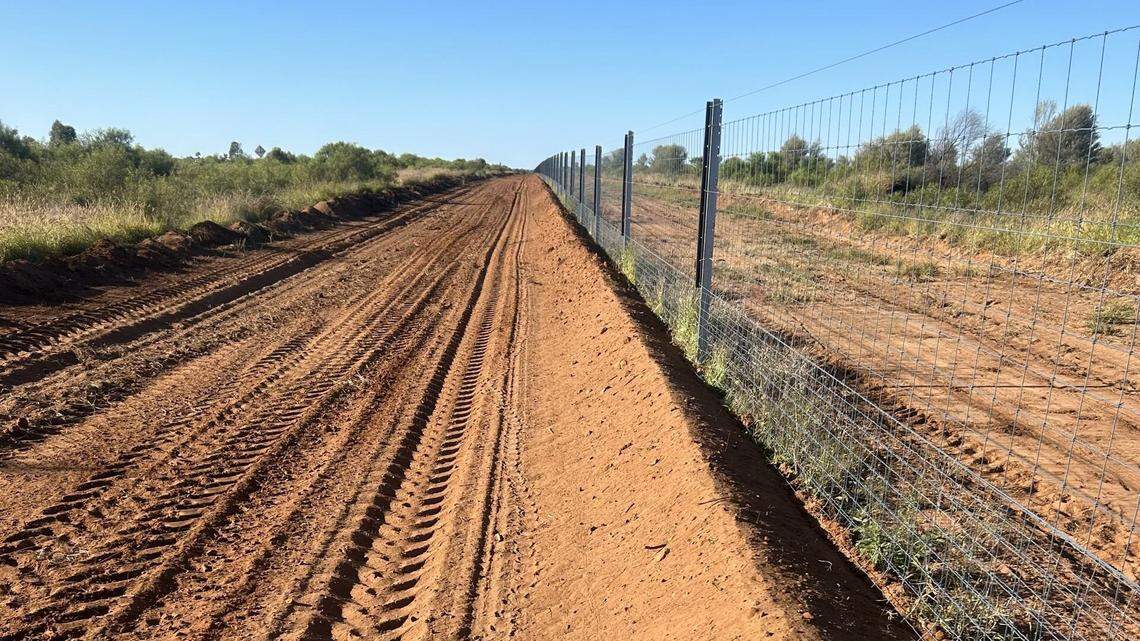
Conservationists began preparations at Powrunna State Forest in 2024 in hopes that the protected site would eventually host a thriving population of Northern hairy-nosed wombats, according to the Queensland Government.
Northern hairy-nosed wombats are “the largest burrowing marsupial in the world, and one of Australia’s rarest mammals,” according to the Australian Wildlife Conservancy. They are critically endangered and, in the 1980s, were reduced to one population of “just 35 individuals.”
Ever since, wildlife officials and conservation groups have worked to protect these wombats and encourage their population growth.
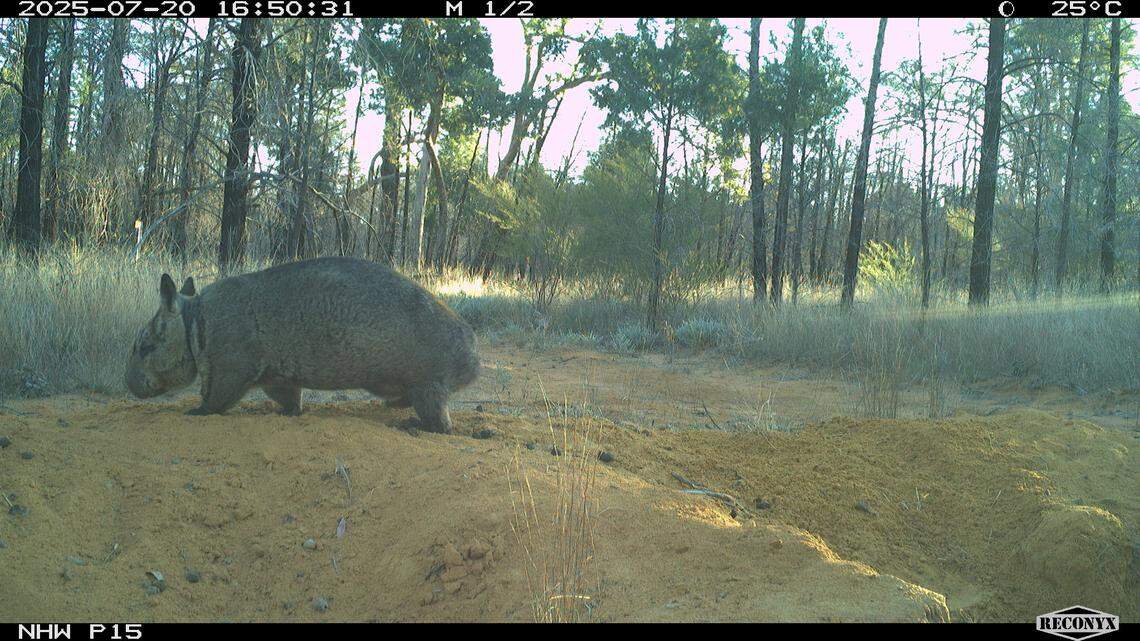
Powrunna State Forest is one part of these efforts. After a year of preparation, conservationists released 36 Northern hairy-nosed wombats at the site over the summer.
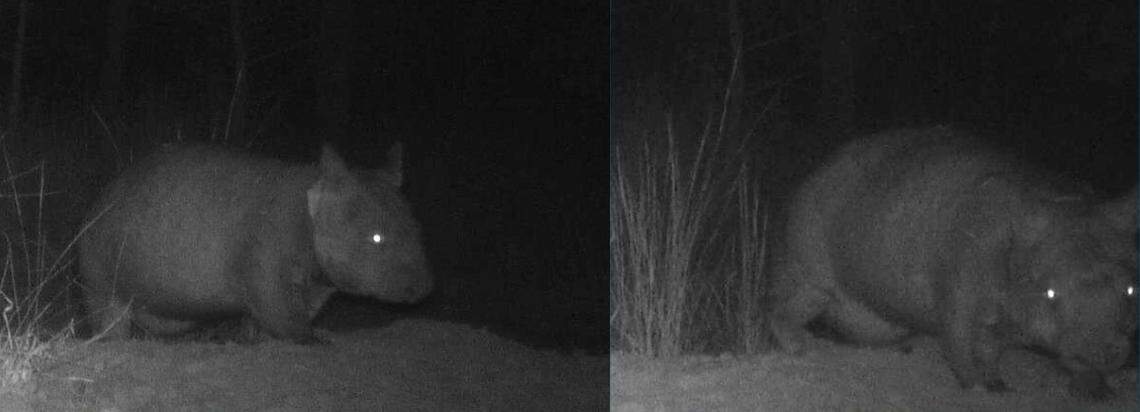
Trail cameras showed just how quickly the wombats settled in when “three wombat joeys” were “spotted in their mother’s pouches” — the site’s first wild-born wombats, Queensland’s Department of the Environment, Tourism, Science and Innovation said in an Oct. 24 news release.
The department shared photos of the mother wombats in an Oct. 29 Facebook post.
“Look very closely and you might see three little bulges,” the Wombat Foundation, an organization collaborating on the project, said in an Oct. 26 Facebook post.
Northern hairy-nosed wombats “breed once every two years in favourable conditions, giving birth to a single joey which continues to develop for 9-10 months in the pouch,” per the Australian Wildlife Conservancy.
“These babies are a clear tick of approval from the wombats, and a step closer to our goal of establishing a self-sustaining population,” Rachel Chesher, a regional director with the Queensland department, said in the release.
Officials described the baby wombats at Powrunna State Forest as a “major achievement for the future” of the species but noted that continued conservation efforts are essential.
“We’ll continue delivering a better future for the northern hairy-nosed wombat, with our decades of research, experience and expertise guiding our decisions,” Chesher said.
Powrunna State Forest is in southeastern Queensland and a roughly 575-mile drive northwest from Sydney.
This story was originally published October 30, 2025 at 7:45 AM with the headline "Babies of ‘one of Australia’s rarest mammals’ born in wild at park for first time."
