
Washington state transportation budget approved that protects seniors, disabled
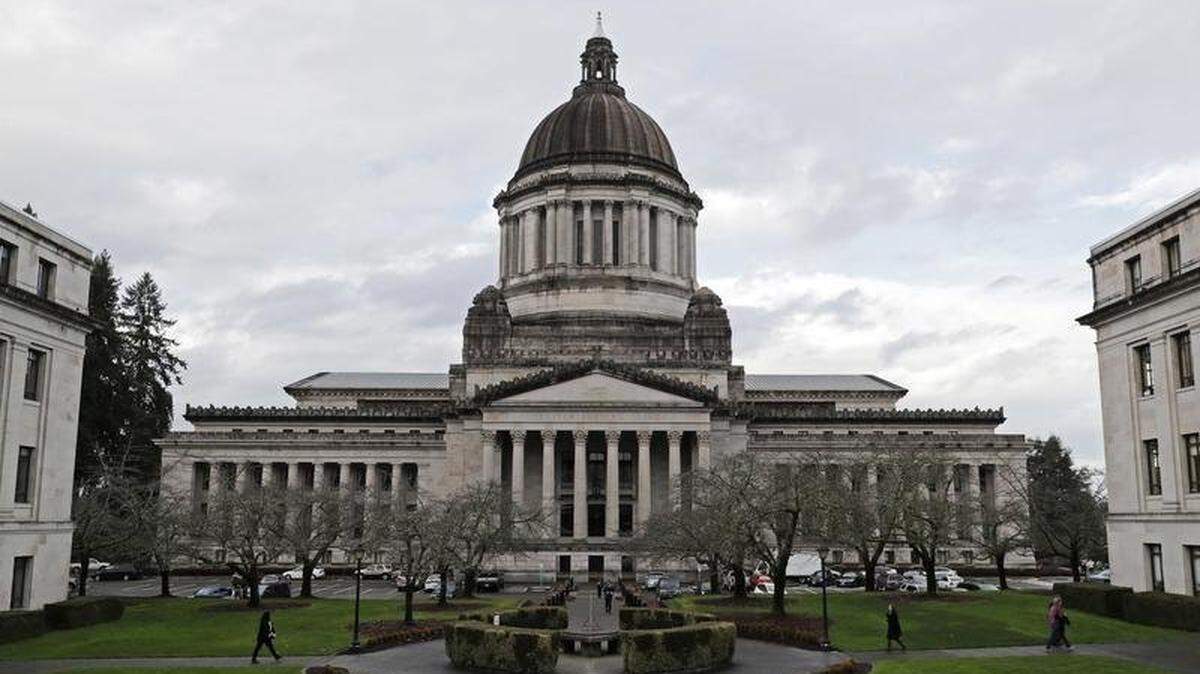
The Washington state Legislature approved a revised transportation budget on Wednesday that responds to Initiative 976 largely by shuffling money around.
State Rep. Jake Fey, D-Tacoma, said the budget bill protects seniors and the disabled who rely on special needs transit and rural programs.
“This was an important part of our agenda because this really affects citizens that are having a very difficult time with employment and with their health challenges,” said Fey, chairman of the House Transportation Committee.
Voters last November approved Initiative 976 by 53-47 per cent. In addition to capping car tabs at $30 — actually it would be $43.25 counting fees — I-976 would reduce or remove the authority of state and local governments to charge several motor vehicle taxes and fees that pay for transportation projects.
Although the initiative has not taken effect because of a legal challenge from King County, Seattle and others, legislators took the approach that they should reopen the budget assuming that I-976 will be upheld in the courts. As a result, they had to deal with a projected $453 million decline in revenue in the fiscal year that ends in mid-2021.
House and Senate members not only closed that hole, but increased the amount of the two-year transportation budget adopted last year from $9.8 billion to $10.3 billion.
Legislators tapped unspent funds from the 2017-2019 budget and used gas taxes for some expenditures on the State Patrol and state ferries.
“It’s a budget that works for this year, but we have a lot of work to do in the upcoming years,” said state Sen. Steve Hobbs, D-Lake Stevens. “My hope is that we can come together...next year to pass something that funds our transportation, fixes our culverts and gets Washington moving forward again.”
Hobbs, who is chairman of the Senate Transportation Committee, referred to the state’s cost to comply with a federal court order to improve salmon habitat by repairing state culverts. In preparation for this legislative session, the state Department of Transportation increased the cost estimate to $3.8 billion.
Legislators added $175 million to the transportation budget for that project, bringing the total to $275 million.
Fey said the budget also fully funds green transportation initiatives, including $10 million in additional special needs transit grants, $12 million in capital grant program to transit agencies, and a sales and use tax exemption for new and used electric vehicles.
Looking to the 2021-2023 transportation budget, Hobbs plans to continue pushing for a $17 billion package spread over 15 years that calls for a gas tax increase and fees on carbon emissions.
The Senate unanimously approved the compromise version of HB 2322. The House approved it 96-1.
“When you put priorities over politics and you deal with policy, good things happen,” said state Rep. Andrew Barkis, R-Olympia. “It’s a budget that addresses our priorities for those who are most vulnerable and it keeps the projects moving.”
Lawmakers have called on Gov. Jay Inslee to swiftly sign the transportation budget bill so that projects that he put on hold after the approval of I-976 can resume. Those projects include the Interstate 5-Port of Tacoma interchange.
This story was originally published March 12, 2020 at 5:00 AM.