
Hacking discovered at Hanford uncovers theft linked to COVID research
Hackers working with the Chinese government targeted firms developing vaccines for the coronavirus and stole hundreds of millions of dollars worth of intellectual property and trade secrets from companies across the world, the Justice Department announced Tuesday.
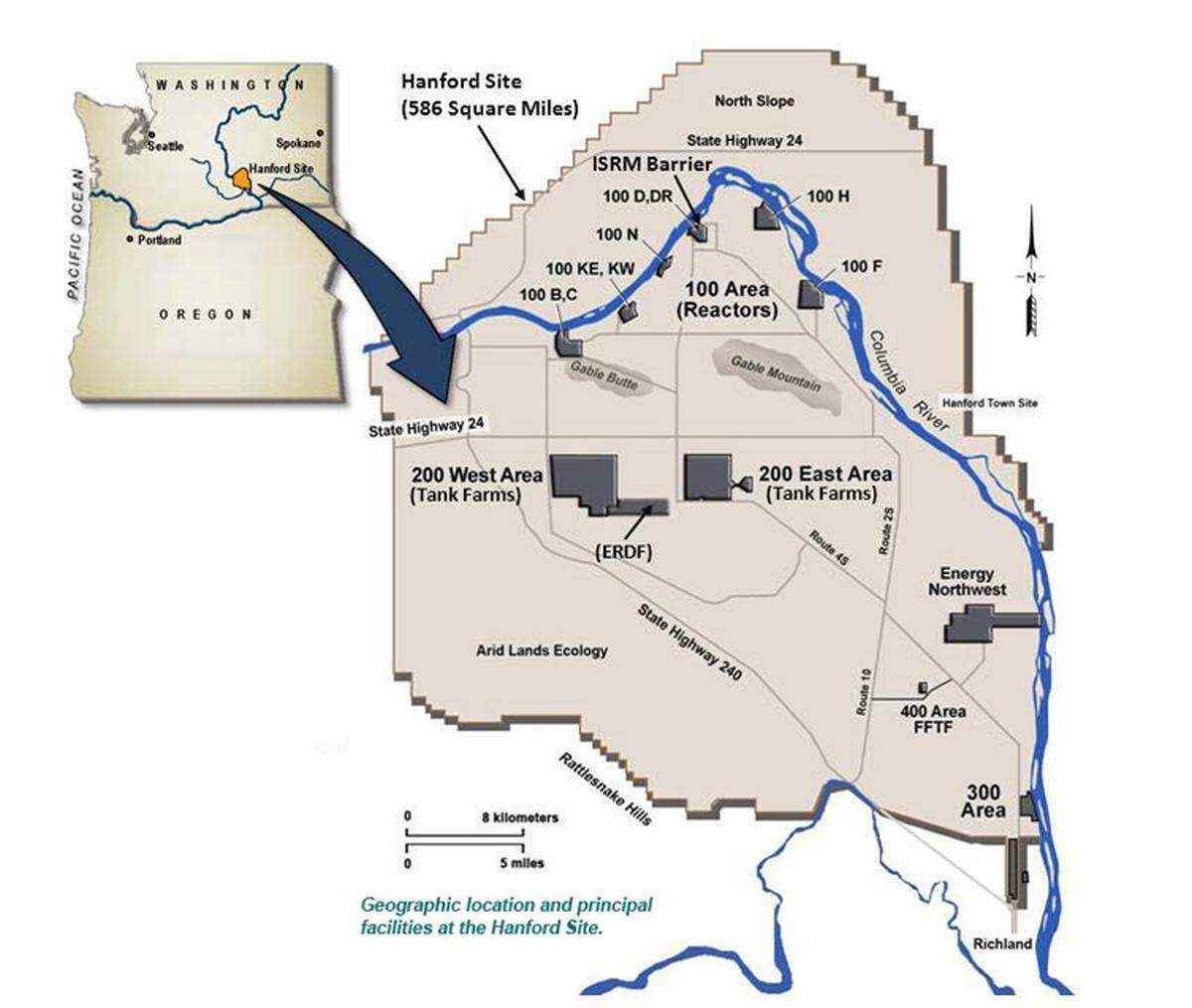
The hacking was first discovered on computers at the Department of Energy’s Hanford nuclear reservation near Richland.
A federal grand jury in Spokane returned an indictment earlier this month charging that computer systems of many businesses, individuals and agencies throughout the United States and worldwide have been hacked and compromised with a huge array of sensitive and valuable trade secrets, technologies, data and personal information stolen.
At Hanford the data stolen included “reconnaissance information about Hanford’s network and its personnel, such as lists of authorized user and administrator accounts,” according to the indictment.
Hanford was used during World War II and the Cold War to produce plutonium for the nation’s nuclear weapons program. The site now is undergoing environmental cleanup of extensive radioactive and other hazardous chemical contamination and waste, including 56 million gallons of radioactive waste held on underground tanks.
The indictment, coming as U.S. officials have escalated their warnings about foreign government efforts to steal American innovation, says the hackers in recent months had researched vulnerabilities in the computer networks of companies publicly known for their work in developing vaccines and treatments.
It is the latest in a series of aggressive Trump administration actions targeting China. It comes as President Donald Trump, his reelection prospects damaged by the COVID-19 outbreak, has blamed China for the pandemic.
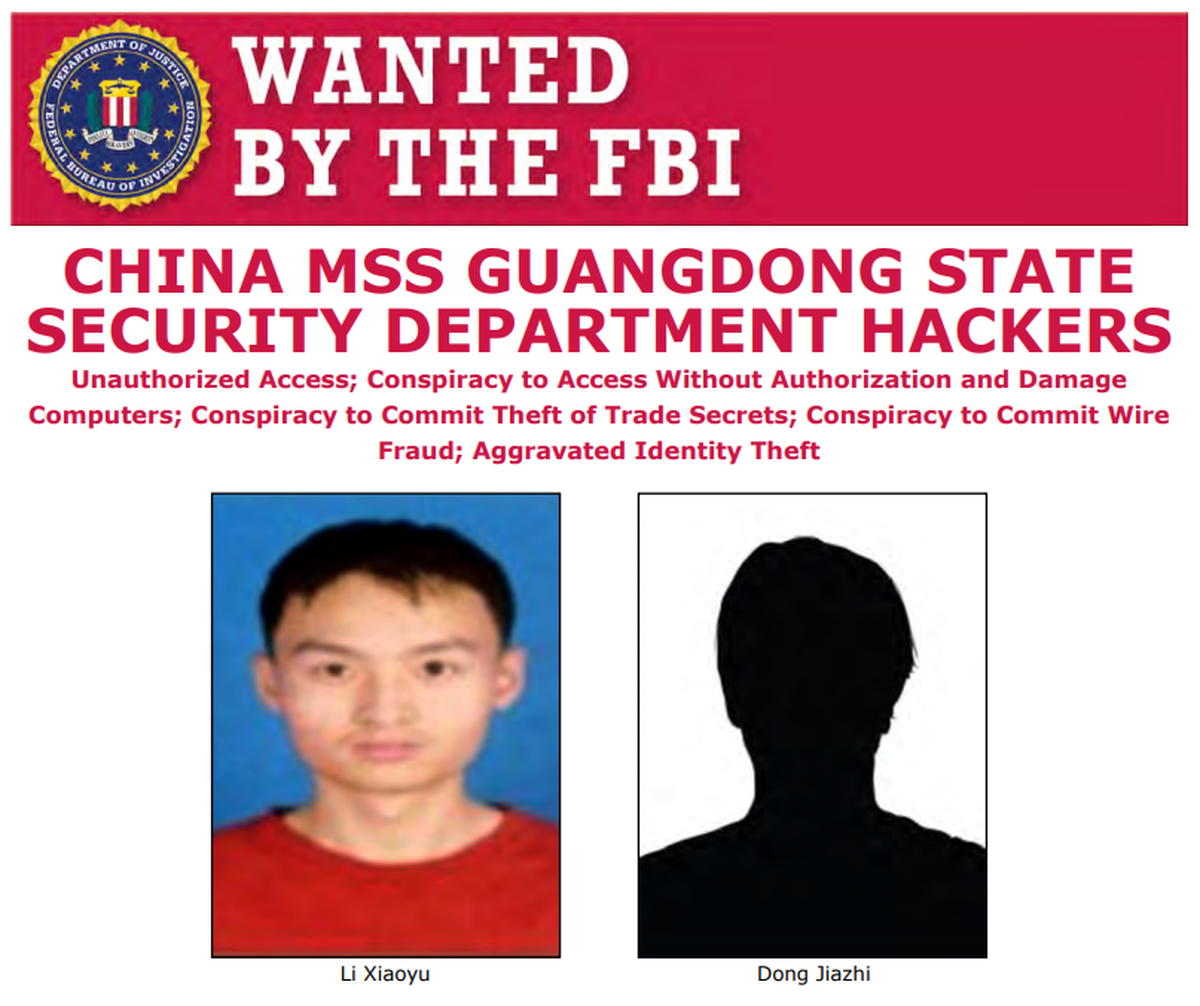
The indictment includes charges of trade secret theft and wire fraud conspiracy against the hackers, former classmates at an electrical engineering college. The hackers, identified as Li Xiayou and Dong Jiazhi, stole information not only for their personal profit but also that they knew would be of interest and value to the Chinese government, federal prosecutors say.
In some instances, according to the indictment, they provided an officer for a Chinese intelligence service with whom they worked email accounts and passwords belonging to clergymen, dissidents and pro-democracy activists who could then be targeted. The officer, in turn, provided the hackers with malicious software for use in compromising victim computers.
The two defendants are not in custody, and federal officials conceded Tuesday that they were not likely to step foot in an American courtroom.
But the indictment carries important symbolic and deterrence value for the Justice Department, which decided that publicly calling out the behavior was more worthwhile than waiting for the unlikely scenario in which the defendants would travel to the U.S. and risk arrest.
Decade of hacking
The hacking began more than 10 years ago, with targets including pharmaceutical, solar and medical device companies but also political dissidents, activists and clergy in the United States, China and Hong Kong, federal authorities said.
The hacking at Hanford occurred in March 2015, with less than 1 gigabyte of data known to be stolen, according to the indictment.
In the largest alleged theft, more than a terabyte of information was stolen.
The charges were brought as Trump administration officials, including national security adviser Robert O’Brien and Attorney General William Barr, have delivered public warnings about what they say are Chinese government efforts to use hacking and other tools to steal trade secrets for Beijing’s financial benefit.
The charges are believed to be the first accusing foreign hackers of targeting scientific innovation related to the coronavirus, though U.S. and Western intelligence agencies have warned for months about those efforts.
Last week, for instance, authorities in the U.S., Canada and the United Kingdom accused a hacking group with links to Russian intelligence of trying to target research on the disease, which has killed more than 140,000 people in the United States and more than 600,000 worldwide, according to figures compiled by Johns Hopkins University.
“China has now taken its place, alongside Russia, Iran and North Korea, in that shameful club of nations that provide a safe haven for cyber criminals in exchange for those criminals being ‘on call’ to work for the benefit of the state, here to feed the Chinese Communist party’s insatiable hunger for American and other non-Chinese companies’ hard-earned intellectual property, including COVID-19 research,” Assistant Attorney John Demers, the Justice Department’s top national security official, said in a statement.
COVID research targeted
There was no immediate indication from the indictment that the hackers had successfully obtained any COVID-19 research, despite efforts to snoop on the companies.
But prosecutors say the defendants in January conducted reconnaissance on the computer network of a Massachusetts biotech firm known to be researching a potential vaccine and searched for vulnerabilities on the network of a Maryland firm less than a week after it said it was conducting similar scientific work.
“There are literally hundreds of millions of dollars worth of trade secrets, intellectual property and other valuable information that has been stolen,” said William Hyslop, the U.S. attorney for the Eastern District of Washington state in Spokane.
The case was filed earlier this month in federal court in Washington state and was unsealed on Tuesday.
Rep. Dan Newhouse, R-Wash., who represents the communities where Hanford workers live, said that the attack was “yet another example of the Chinese Communist Party deliberately targeting U.S. intelligence and technology.”
“We must continue to take a strong stance against China’s state-sponsored illegal activities and retain our status as global leaders who abide by and enforce the rule of law,” he said.
DOE did not respond to Tri-City Herald questions regarding Hanford.
An email sent by The Associated Press to the Chinese Embassy in Washington, D.C., seeking comment on the hacking charges was not immediately returned.
This story was originally published July 21, 2020 at 11:33 AM with the headline "Hacking discovered at Hanford uncovers theft linked to COVID research."