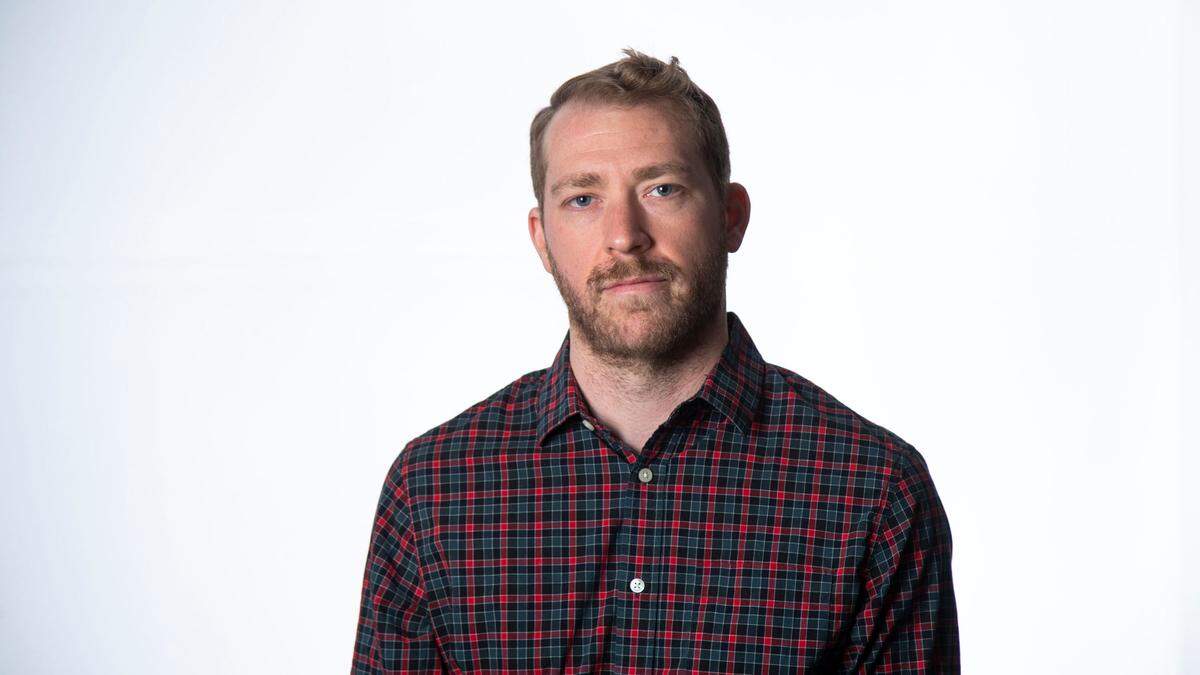
Bryan Kohberger’s attorneys challenge DNA, search warrants in Idaho murder case
Attorneys for the man charged with killing four Idaho college students went on the offensive in new court filings, alleging police violated their client’s constitutional rights and improperly obtained search warrants as they argued that most of the evidence against him should be discarded.
Bryan Kohberger’s defense met a court-imposed deadline Thursday to file suppression briefs that identified specific evidence the attorneys want held back from jurors’ consideration at trial. Earlier this year, his attorneys signaled in court that their evidence challenges were forthcoming.
The filings indicated not only the legal strategy Kohberger’s defense plan to pursue, but also described police methods in the investigation that led to key pieces of evidence that prosecutors are likely to present against him in trial. The defense filings posted Friday afternoon to a public court’s website totaled more than 160 pages and include the legal justification for blocking a variety of evidence.
Among the pieces of evidence Kohberger’s attorneys argued should be dropped was their client’s genetic information that they alleged was “illegally gathered by law enforcement,” citing the Fourth Amendment of the U.S. Constitution, which protects against unreasonable searches and seizures.
The filing was submitted under seal, based on a prior judge’s order to seal anything related to the FBI’s use of investigative genetic genealogy, or IGG, in the case. The advanced investigative technique entails submitting DNA from the scene of a violent crime to public ancestry websites to build out a family tree and begin narrowing the list of possible suspects.
Police said they found a single source of male DNA on a leather knife sheath left at the crime scene, according to the probable cause affidavit to justify Kohberger’s arrest. A cheek swab obtained from Kohberger after his arrest was found to be a statistical match to the DNA from the crime scene, Latah County Prosecutor Bill Thompson said.
Prosecutors later acknowledged that IGG was employed to initially arrive at Kohberger as a suspect. But Thompson wrote in court filings that IGG was not evidence that would be used to prove Kohberger’s guilt in trial and, therefore, was irrelevant. Prosecutors have also previously said in court that police did not rely on IGG evidence to obtain search warrants from judges.
Kohberger’s defense attorneys, who have proclaimed several times in court that their client is innocent of the November 2022 quadruple homicide, argued in Thursday’s filings that investigators never would have landed on Kohberger without unauthorized tactics.
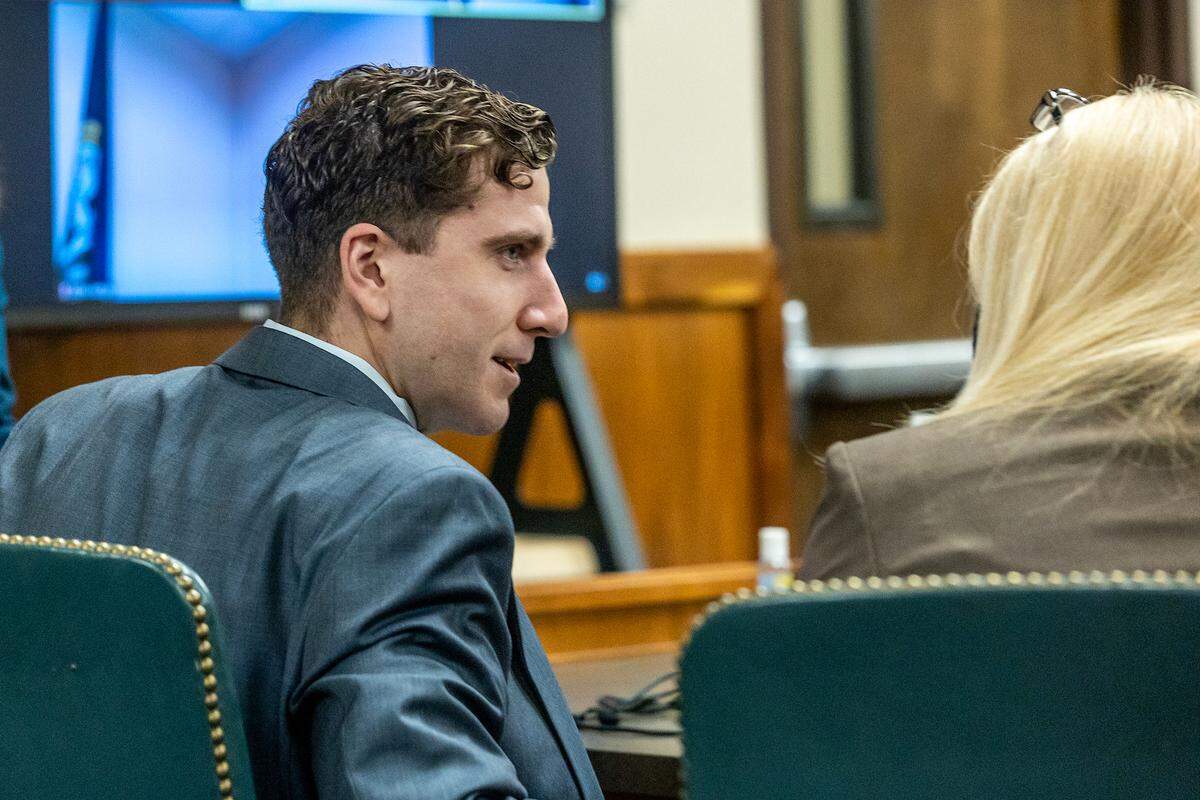
“All information in the affidavit was gathered because of law enforcement’s unconstitutional use of investigative genetic genealogy, and thus nothing in the warrant should remain,” the defense wrote in the filings.
Among other evidence Kohberger’s defense challenged in public filings was information about their client that police developed through 15 search warrants. That included: the contents of Kohberger’s accounts for Amazon, Google, Apple iCloud and AT&T cellphone service, citing alleged privacy law violations; any evidence obtained from his parents’ home in eastern Pennsylvania and his apartment in Pullman, Washington, with search warrants; and all evidence from Kohberger’s white Hyundai Elantra through a search warrant.
In addition, Kohberger’s attorneys sought to suppress statements he made to police after his late December 2022 arrest in Pennsylvania, including during his transport to jail and at an interrogation before he asked for a lawyer. They also asked that the cheek swab, fingerprints and pictures of Kohberger’s body that police acquired during his jail processing be stricken. The same pieces of evidence were taken from Kohberger again once he was brought to Idaho days later to face the charges.
Defense asks for hearing to challenge search warrants
Kohberger’s attorneys alleged that police intentionally withheld certain information from a judge when they requested search warrants that require probable cause. Detectives in the case filed for dozens of search warrants across multiple states, including Idaho, Washington and Pennsylvania.
“In this case, law enforcement either intentionally or recklessly omitted exculpatory evidence as to almost every facet of its affidavit for this warrant,” the defense’s filing against the warrant for Amazon account information read. “Thus, it will require suppression.”
Some of the search warrants also were overly broad because they lacked specificity for the evidence police sought, detailed time frames and proper affidavits to justify their issuance, the defense alleged in the filings.
Kohberger’s attorneys also alleged the use of subpoenas for information through a federal grand jury, which acted as a precursor to the Amazon and Apple account search warrants, were improper because they weren’t disclosed to the judge. At a hearing in May, prosecutors revealed the use of as many as 71 federal subpoenas in the case to produce potential evidence against Kohberger.
In a related filing, Kohberger’s attorneys requested a hearing, called a Franks hearing and named for a precedent-setting case, to challenge the validity of the search warrants obtained by police during their investigation. The exhibits in support and related documents sent to prosecutors were filed under seal.
“Franks hearings are particularly challenging,” Boise-based criminal defense attorney Edwina Elcox told the Idaho Statesman. “The defense is essentially challenging the veracity of the police when they obtained a search warrant. It is beyond an uphill battle, but, if his attorneys are successful, the ramifications for the prosecution’s case are devastating.”
Prosecutors have until Dec. 6 to respond to the defense’s 13 evidence suppression filings. A public hearing for oral arguments on the issue is scheduled for Jan. 23.
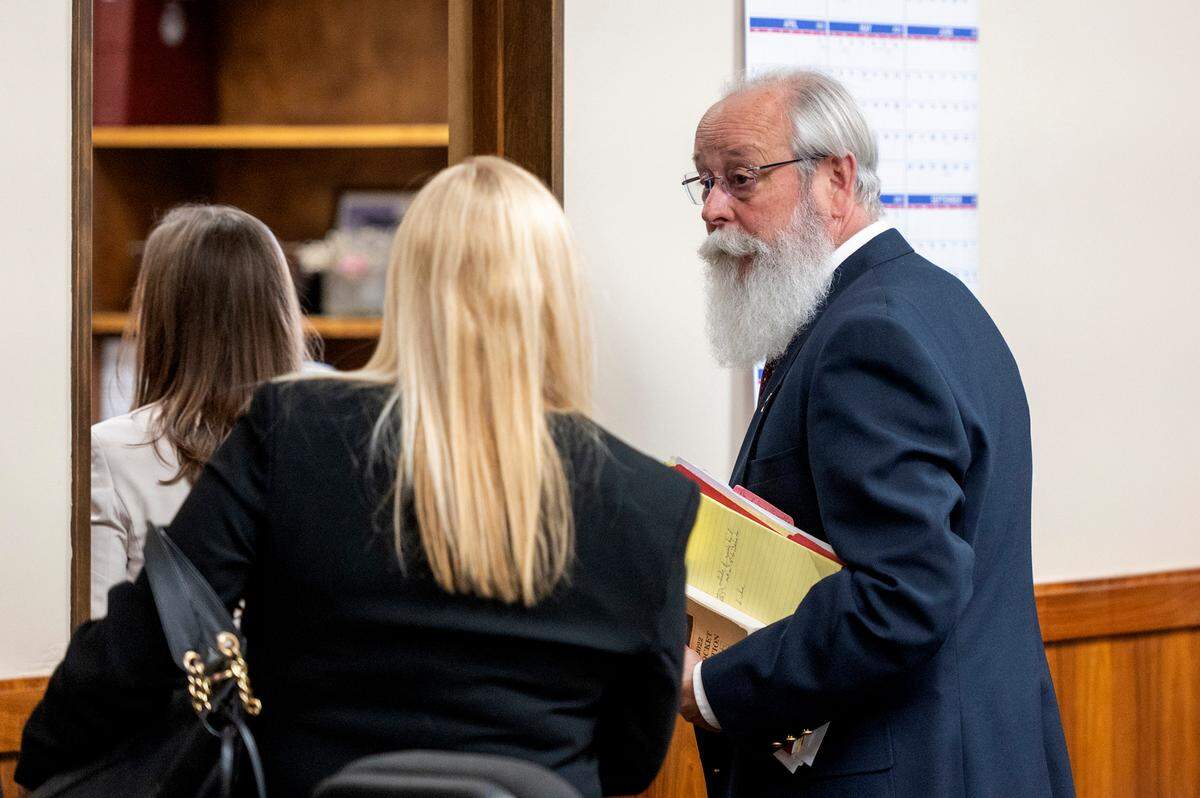
Kohberger’s capital murder trial is scheduled for next summer in Boise. The Ada County judge handling the case will decide later on whether he’ll grant a Franks hearing ahead of the trial.
Kohberger, who turns 30 years old next week, is accused of the early morning stabbing deaths of the four University of Idaho undergraduates at a house near the college campus in Moscow. The victims were childhood friends Kaylee Goncalves, 21, of Rathdrum, and Madison Mogen, 21, of Coeur d’Alene; their roommate Xana Kernodle, 20, of Post Falls; and Ethan Chapin, 20, of Mount Vernon, Washington, who was Kernodle’s boyfriend. This week marked two years since their deaths.
At the time, Kohberger was a doctoral student in criminal justice and criminology at nearby Washington State University in Pullman just over the Idaho-Washington border. In alibi filings, his defense has said that Kohberger was out for one of his frequent solo nighttime drives, including near a county park in Washington some 30 miles southwest of Moscow, when police reported the violent incident took place between 4 a.m. and 4:25 a.m.
Kohberger faces four counts of first-degree murder and a count of felony burglary in the case. Prosecutors intend to seek the death penalty if a jury finds him guilty. His defense has argued for striking a possible death sentence and awaits the judge’s decision after a hearing last week.
IGG at center of defense’s motions to suppress
During the homicide investigation, the Idaho State Police crime lab in Meridian located the suspect DNA on the knife sheath’s button snap, according to the affidavit. Investigators also obtained additional DNA from the garbage at the Kohberger family home in eastern Pennsylvania, which the Idaho lab found belonged to the father of the male DNA from the crime scene.
But the FBI’s use of IGG, and initial assistance from a private lab in Texas the defense has said was Othram, helped in the process of establishing who might be the source of the suspect DNA. The method has traditionally been reserved for cold cases, but increasingly used in high-profile active investigations, which has also raised constitutional rights questions.
“Without IGG, there is no case, no request for his phone records, surveillance of his parents’ home, no DNA taken from the garbage on his driveway, in a gated community, under a garbage collection ordinance,” the defense’s new filings read. “Because the IGG analysis is the origin of this matter, everything in the affidavit should be excised.”
The FBI also did not retain some of its records from the IGG process. And the affidavit in the case included no reference to investigators’ use of IGG. Prosecutors didn’t confirm its use until six months after Kohberger’s arrest.
For eight months, Kohberger’s attorneys fought with prosecutors over release of the IGG records through the legal process known as discovery. A judge eventually sided with Kohberger and awarded at least some of the FBI’s records to him, but out of the public eye under seal, and later privileges to review the records to experts working for the defense.
Now his defense is mounting a case against the use of all genetic evidence — and any other evidence obtained afterward through search warrants based on IGG — at trial, based on police having violated Kohberger’s constitutional rights.
“I think everybody agrees this case rises and falls on that DNA,” Los Angeles-based criminal defense attorney Joshua Ritter previously told the Statesman. “Their ability to match Kohberger to the knife sheath at the crime scene is the seminal, cornerstone piece of evidence.”
This story was originally published November 15, 2024 at 1:28 PM with the headline "Bryan Kohberger’s attorneys challenge DNA, search warrants in Idaho murder case."