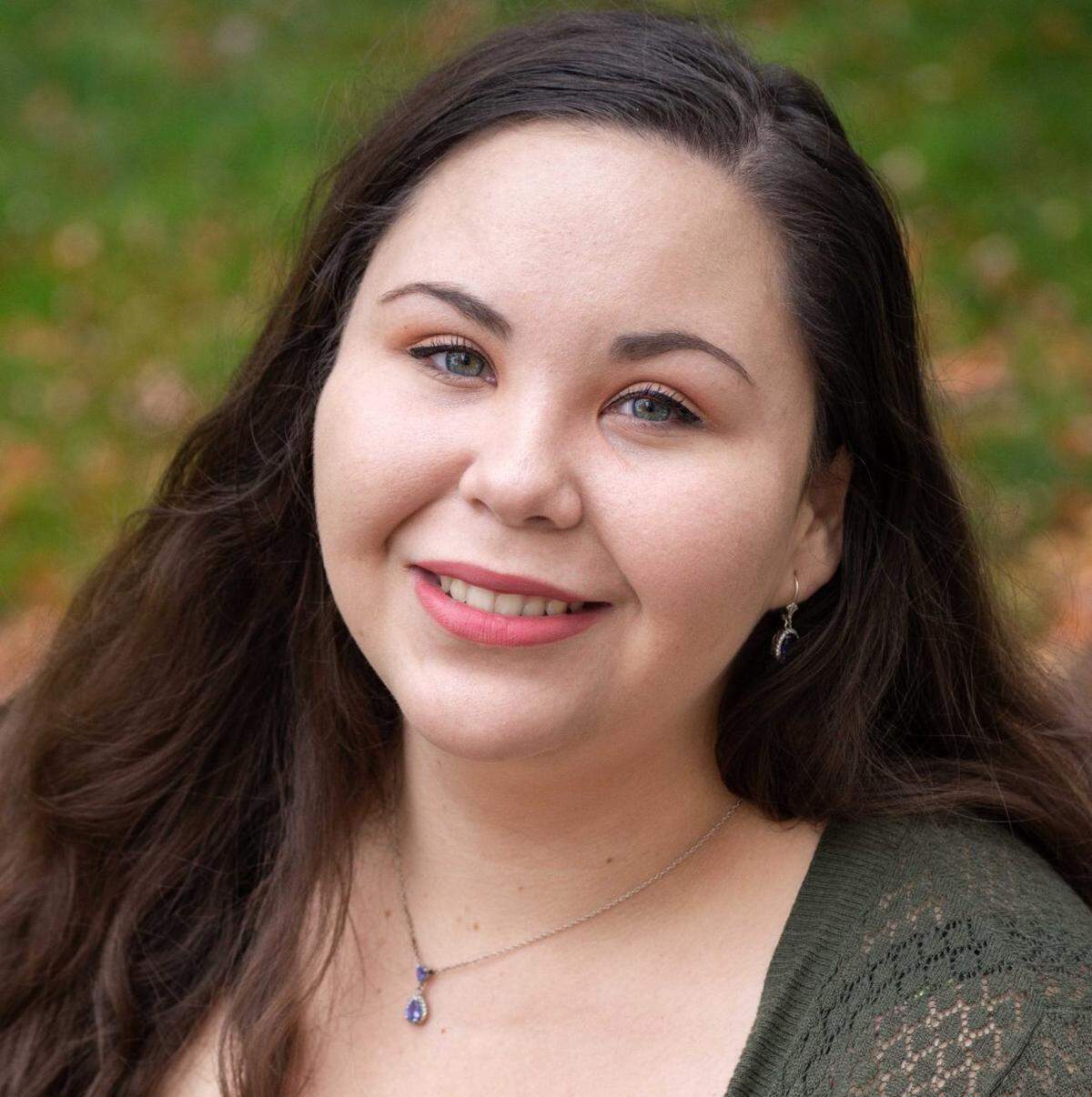
Swinomish elder Shelly Vendiola shares key to peace learned from teachings of her Tribe
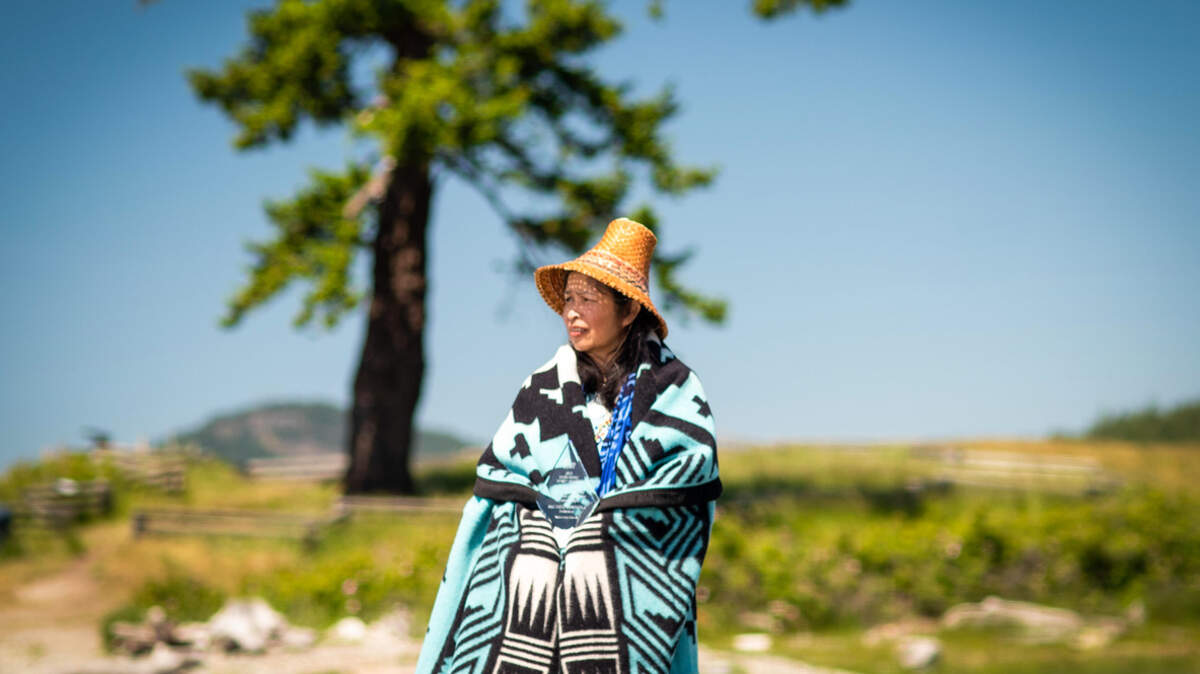
Shelly Vendiola takes daily walks in the forest and along the waters of Anacortes with her 6-month-old Dutch and German Shepherd Bosco.
She’s often joined by her mother Diane, a Swinomish elder who shares stories from her youth and teachings from their Tribe.
The forest is her sacred place, the 63-year-old Swinomish and Visayan (Filipina) elder shared. She goes there to pray or have fun with Bosco. Within the last year, she’s realized how these walks, especially with her mother, are precious. She treasures the stories she gets to hear in person, not over Zoom.
To Vendiola, the pandemic is a messenger that’s centered the climate crisis in her mind. Her time in her sacred place and learning from her mother showed her the key to solving climate change is in Indigenous teachings.
“There’s Tribes all around that are applying traditions of the heart — Huchoosedah — and that’s what I really want people to remember,” Vendiola said of her upcoming speech as the keynote speaker for the International Day of Peace on Sunday, Sept. 19, at Maritime Heritage Park in Bellingham.
Vendiola has served as an educator, facilitator, activist and mediator for over 30 years. She co-founded the Native Community Engagement and Peacemaking Project and has consulted on environmental justice projects with local Tribes in affiliation with the Indigenous Environmental Network. As an educator with the Northwest Indian College – Coast Salish Institute, she taught Swinomish culture and history.
At the center of her work is Huchoosedah, the Lushootseed word meaning “traditions of the heart.” For Vendiola, she learned this tradition through the life and work of her mother, a Tribal Peacemaker for Northwest Intertribal Court System since 1985, and her father, whose family came to the U.S. from the Visayan Islands in the Philippines to work in farm camps.
Her Swinomish and Filipino parents and grandparents’ appreciation for the land taught her that at the root of all things is symbiosis and respect.
“There’s a symbiotic relationship between species and earth… We are symbiotic as Swinomish, which means, ‘people by the water.’ We are salmon people. Just like the bear, salmon gives us sustenance. Our salmon and our water are our wealth. Our first mother needs help, but we know that we can survive if we work together — symbiosis — through traditions of the heart — Huchoosedah,” she said.
In her work with the Tribe’s Lushootseed Language Program and advocating for Swinomish students, she often reflects on her move from the diverse schools of Seattle to Anacortes in the 70s following the Boldt Decision. She felt the tension between commercial and Native fisherman showed itself as institutional racism at school. She looked for advocates and found solace in journaling and attending Swinomish cultural events her mother led.
“Loving, caring and sharing as a people is who we are. As Swinomish, we are taught to be good hosts when we invite people to our home. That helped me to navigate an institution that was very abusive to me and my ancestors,” she said.
She continued to work on navigating institutions while in college in San Francisco. While president of a student-led Tribal nations club, Vendiola blossomed in her talents for peace-making.
“In San Francisco I learned how to be who I was — an Indigenous person and Filipino. In the classroom I was allowed to be who I was and I felt nurtured in that school, surrounded by people of color and other Native students. A lot of my activism, community engagement and peace making comes from that time,” she said.
She originally wanted to teach world music to children, but quickly learned her skills would be put to better use with older children and adults. She earned her master’s in higher education at Western Washington University and began teaching at North West Indian College, blending her real-life work with her experiences in San Francisco to teach mediation and peace-making in conjunction with Swinomish culture.
“I often told students to think, ‘How do we lift together?’ With all the people we work, play and pray with, we need to come from places of compassion and remind them to connect with the Tribal people who have still retained their language and knowledge of this place,” she said.
Vendiola will continue to share her thoughts on peacemaking and solving the climate crisis through symbiosis and traditions of the heart as the keynote speaker at the annual International Day of Peace.
The event, hosted by the Whatcom Peace and Justice Center, will be followed by a virtual community event on Tuesday, Sept. 21. For more information, visit whatcompjc.org/idp2021.html.
This story was originally published September 18, 2021 at 5:00 AM.