Biden strengthens law credited with helping 300,000 uninsured American Indians, Alaska Natives
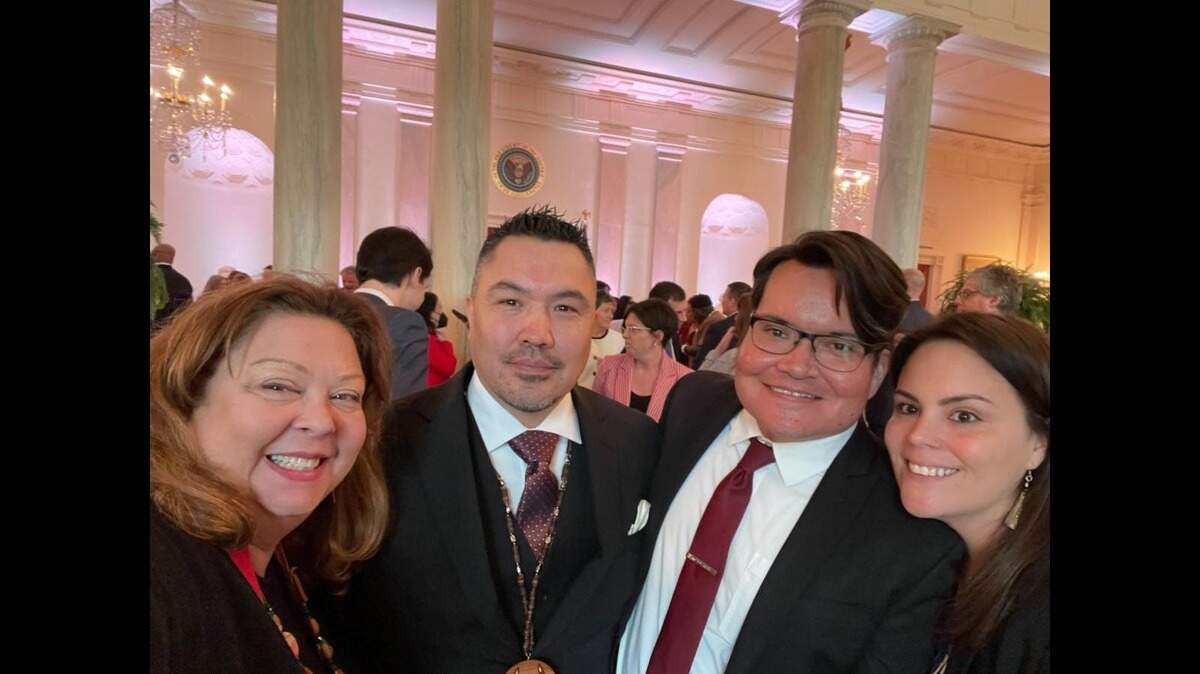
National Indian Health Board members were present Tuesday, April 5, as President Joe Biden signed an executive order making healthcare more accessible for American families. The Affordable Care Act contributed to about 300,000 uninsured American Indians and Alaska Natives obtaining health coverage when originally passed in 2010.
“It’s been an honor to be invited to this event and witness in person the words and testimony of President Biden, Vice President Harris and former President Obama regarding the Affordable Care Act, especially knowing the importance of the Indian Health Care Improvement Act,” stated Nickolaus Lewis in a news release April 6. Lewis, secretary of the Lummi Indian Business Council, is also vice-chairman of the National Indian Health Board and chairman of the Northwest Portland Area Indian Health Board.
Along with fighting for permanent reauthorization of the Indian Health Care Improvement Act, the National Indian Health Board and Tribal allies also advocated for, and won, several specific provisions in the Affordable Care Act for Native peoples, including:
▪ Authorization for third-party reimbursement to the Indian health system through Medicaid.
▪ Designating the Indian Health Service as the payer of last resort.
▪ Zero-cost sharing for premiums and co-pays for the Health Insurance Marketplace and Medicaid.
Monthly open enrollment or opt-out of the Affordable Care Act for American Indians and Alaska Natives.
“This wasn’t an easy task to get this point of being the law that it is today, but due to the hard work of so many across this country, it is the law and we raise our hands to President Biden for continuing to do what’s right in protecting and advancing health care rights in our country, especially Indian Country,” Lewis said.
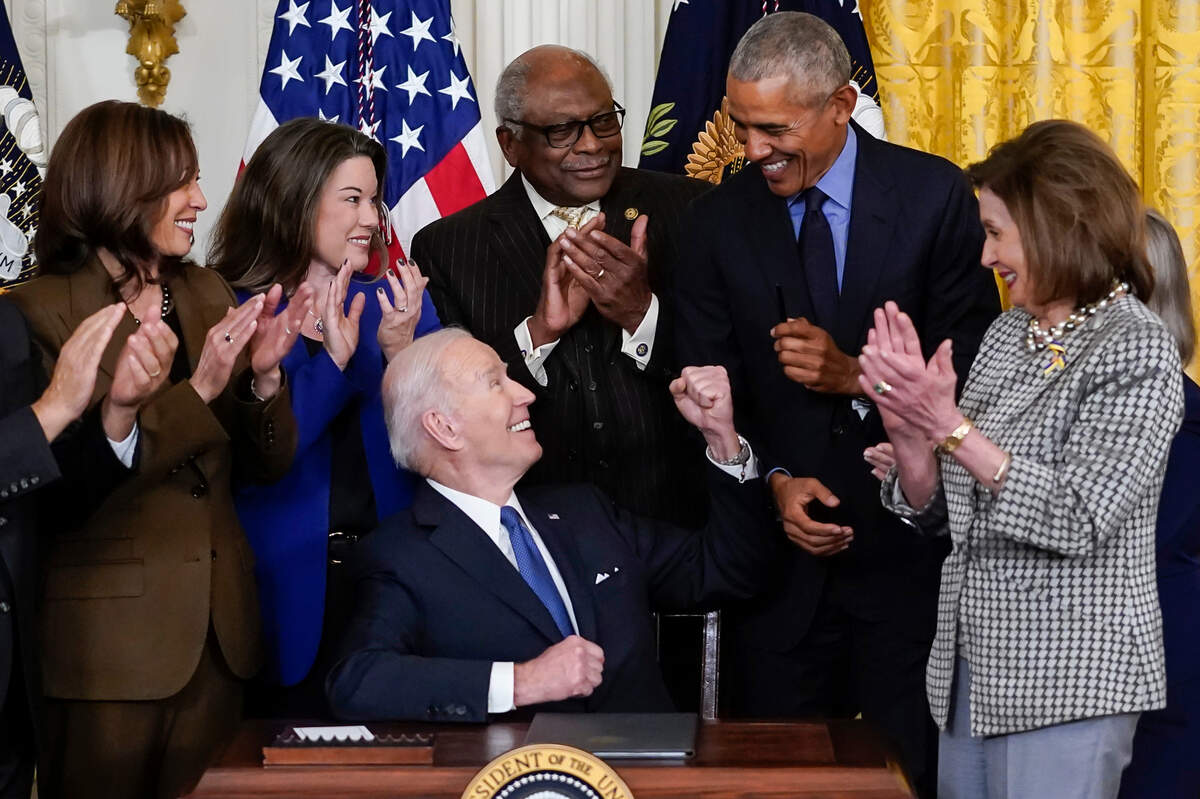
Since the signing of the Affordable Care Act, health care coverage significantly increased among American Indians and Alaska Natives, according to the board. In 2012, 24.2% of American Indians and Alaska Natives were uninsured. By 2019, that number dropped to 15.4%.
The use of health insurance has given Native peoples options when obtaining care outside of federally or Tribally-operated facilities, including more comprehensive health services. In addition, the Indian Health Service and its Indian/Tribal/urban sectors were able to collect more insurance and third-party health care revenue.
“These dollars are essential to offset the grossly underfunded (Indian/Tribal/urban) system,” stated CEO Stacy A. Bohlen, of the Sault Ste. Marie Chippewa, in the news release. “Those funds are reinvested into making additional health care services possible.” She also attended the signing.
Through the Affordable Care Act, Tribal members are eligible to receive no cost-sharing if their income is within 100% to 300% of the federal poverty level if they enroll in a qualified health plan through the health insurance marketplace. They can continue to use the Indian Health Services and Indian/Tribal/urban health care programs while also continuing to access coverage through Medicare, Medicaid and the Children’s Health Insurance Program.
The board also applauded Biden’s investments in the Native community, specifically noting a 10-year vision for the future of Indian Health Service funding as mandatory spending and investment targets reaching $36.7 billion by 2032. The budget includes $9.3 billion in fiscal year 2023 — a 37% increase from the previous year.
In March, the president released his 2023 federal budget demonstrating an “unprecedented commitment to and investment into American Indian, Alaska Native health and public health systems and people,” the board wrote in the news release.
“The President is showing Tribes, through the priorities and vision he put in his 2023 Budget for Indian Health, that he is not just listening to Tribes, he is hearing us,” stated National Indian Health Board Chairman William Smith, of the Valdez Native Tribe, in the news release. “Through this budget the President appears to be embracing a bold vision to end America’s long-demonstrated health and public health investment inequities for Tribal sovereign nations.”
Established to advocate as the united voice of federally recognized Tribes, the National Indian Health Board reinforces Tribal sovereignty, strengthens Tribal health systems, secures resources and builds capacity to achieve the highest level of health and well-being for American Indians and Alaska Natives.
This story was originally published April 7, 2022 at 5:00 AM.
CORRECTION: Nickolaus Lewis’ Lummi Indian Business Council title was corrected April 7, 2022.