Largest irrigation project in the Yakima River Basin to receive $3.74 million in funding
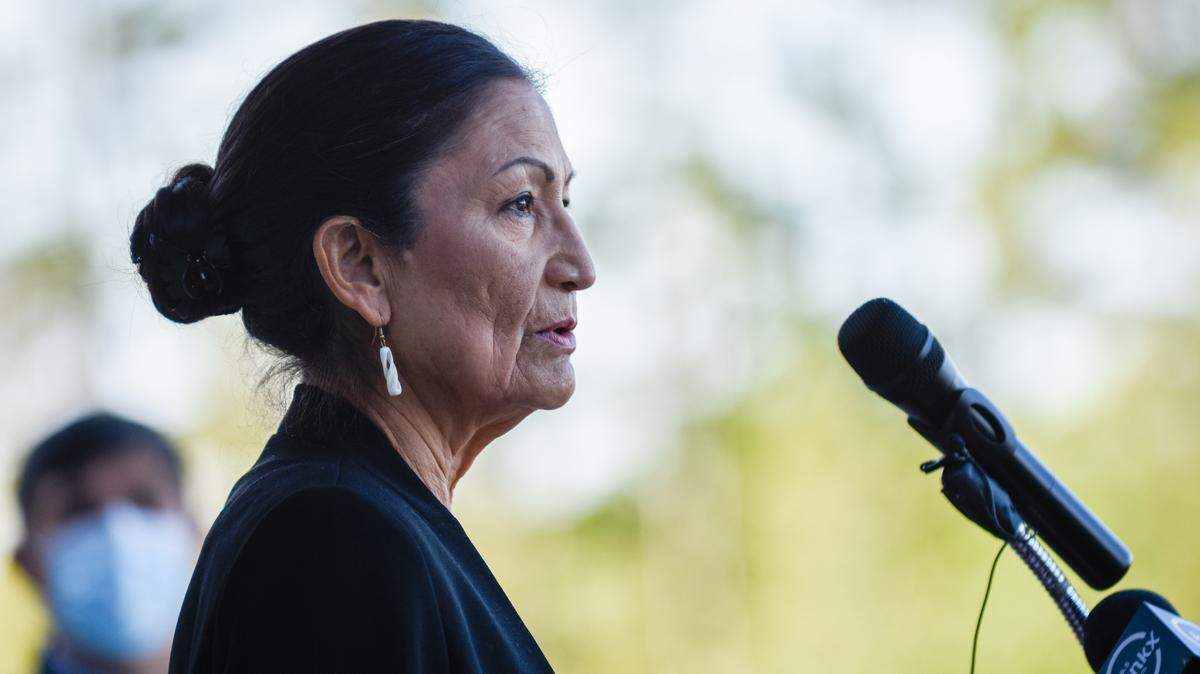
The Wapato Irrigation Project on the Yakama Indian Reservation, the largest irrigation project in the Yakima River Basin, will receive $3.74 million in funding from the Bipartisan Infrastructure Law.
The project provides irrigation water to more than 135,500 acres with an estimated direct harvest benefit of $560 million. The allocation will be used to fund a portion of the Wapato Main Diversion rehabilitation to update the diversion dam and assist with improving the passage of salmon, steelhead and Pacific lamprey.
Assistant Secretary for Indian Affairs Bryan Newland highlighted the allocation during a visit to the Wapato Irrigation Project and treaty fishing sites on the Columbia River in Washington and Oregon Wednesday, May 4. He also heard from local Tribal members and leaders about the urgent need to establish a missing and murdered unit in Central Washington.
“This important funding from President Biden’s Bipartisan Infrastructure Law will help support farmers, ranchers and communities that rely on BIA infrastructure for economic livelihood and day-to-day services such as delivery of irrigation water or electricity,” Newland said in a news release.
This week, the Department of the Interior announced nearly $10 million in fiscal year 2022 funding of the Bipartisan Infrastructure Law for irrigation projects and power utilities owned by the Bureau of Indian Affairs.
The Wapato project will receive the largest allocation. Other projects at the Fort Peck Indian Reservation and the Flathead Indian Reservation in Montana and the Colorado River Indian Tribes Reservation, the San Carlos Indian Reservation and Gila River Indian Reservation in Arizona will receive between $1 million to $1.85 million.
Of the funding, $880,000 will be used for engineering and design services for water sanitation upgrades and contribute to the progress being made on projects authorized under the Columbia River In-Lieu and Treaty Fishing Access Sites Improvement Act.
The Bipartisan Infrastructure Law, which invests more than $13 billion directly in Tribal communities across the country, provides approximately $50 million over five years to address critical infrastructure rehabilitation in Indian Country and the Bureau of Indian Affair’s water and power asset portfolio.
“Investing in irrigation and power is central to addressing climate change impacts and expanding economic opportunity in Indian Country,” said Secretary of the Interior Deb Haaland in a news release. “President Biden’s Bipartisan Infrastructure Law makes historic investments in Tribal communities that will help bolster community resilience, replace aging infrastructure, and provide support needed for climate-related community-driven relocation and adaptation.”
In August, Haaland met with Washington state Tribal leaders and Newland completed a three-day tour of listening sessions with Tribal leaders of the Shoalwater Bay Tribe, Jamestown S’Klallam Tribe, Port Gamble S’Klallam Tribe, Suquamish Indian Tribe, Puyallup Tribe and Muckleshoot Indian Tribe in December.
During their visits to Washington last year, the secretary and assistant secretary highlighted the Bipartisan Infrastructure Law and saw and heard about the immediate challenges Washington coastal Tribes are facing related to climate change, as well as ecosystem and infrastructure degradation.