
World’s largest radioactive waste melter halted in Eastern WA. It was overheating
The heat up of world’s largest radioactive waste melter at the Hanford site vitrification plant in Eastern Washington has not started as hoped.
The melter temperature was expected to climb to 2,100 degrees Fahrenheit over about two weeks this month, but the heating was halted before 300 degrees was reached.
The Department of Energy’s Hanford manager Brian Vance made the announcement at a Wednesday evening meeting of the Hanford Advisory Board.
When heating of the melter was started it was not expected to be turned off over the next five years to avoid damaging melter components.
The plan was to run it continuously and also bring a second melter online that would both be used to commission the plant with a nonradioactive waste simulant and then to start treating radioactive waste as soon as the end of next year.
But the melter temperature has now been allowed to cool to the ambient temperature while troubleshooting is done on the electrical system, Vance said.
The cool down has not damaged the melter, he said.
The melter was still empty, with no materials to practice glassifying waste added, when the decision was made to stop the heating and slowly bring the temperature down over a couple of days.
Least radioactive waste first
Construction began 20 years ago on the Waste Treatment Plant, or vitrification plant, with heat up of the first melter at the plant this month a crucial step toward a goal of starting to glassify radioactive waste for permanent disposal.
The Hanford nuclear reservation adjoining Richland, Wash., was used during World War II and the Cold War to produce nearly two-thirds of the plutonium for the nation’s nuclear weapons program.
Uranium fuel irradiated at Hanford’s nine reactors was reprocessed at the site to chemically remove plutonium from the metal, leaving 56 million gallons of radioactive and other hazardous chemical waste stored in underground tanks.
Although the plant was initially planned to start treating all tank waste simultaneously, plans changed when technical issues were raised in 2012 concerning how the plant handles the most radioactive components in the waste.
Most construction on parts of the plant that will handle high level waste has been stalled since then and talks are underway between the federal and Washington state officials on how to treat the worst of the tank waste.
Initially, the vitrification plant will only treat some of the least radioactive tank waste, called low activity or low level waste.
Melter heat up stopped Oct. 8
Heat up of the first of the two 300-ton melters in the vitrification plant’s Low Activity Waste Facility began Saturday, Oct. 8. Hanford officials called it a “significant step” then.
But the heat up was halted just after midnight the morning of Monday, Oct. 10, after indications that the power supply to the startup heaters was not what was expected, Vance said.
One of three power supply cabinets for the project overheated, according to Hanford officials.
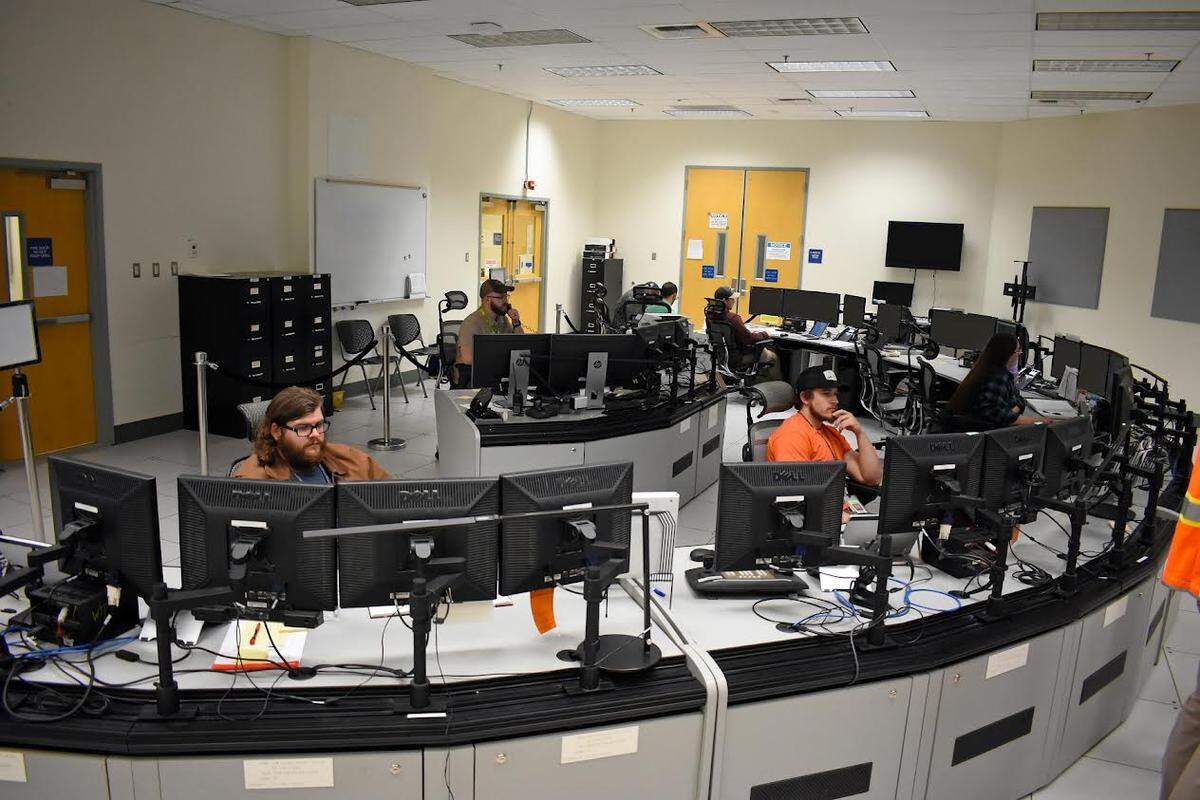
Now troubleshooting is underway to form a detailed understanding of the cause of the problem, resolve the issue, analyze how operators performed and then to teach operators on other around-the-clock shifts to deal with the issue if it happens again, Vance said.
He gave no estimate of when the melter heat-up might be started again.
“I would have loved the heat up to progress without incident through the process,” Vance said.
But he is pleased about how the issue was handled.
It was a check of the culture and teamwork that will be needed to safely operate the plant, he said.
“It is important to recognize this if the first-of-a-kind, a one-of-a-kind plant,” he said. “Everything we do from now on is a first.”
Melter decision
Bechtel called worker performance in identifying and responding to the issue with the power supply “a demonstration in operational excellence.”
“Heating up the melter is a complex process that consists of a series of activities over at least several weeks to prepare for and establish a molten pool of glass that will eventually be used to vitrify low level tank waste,” Bechtel said.
.jpg "20170613-1278ed (1).jpg")
Plans call for adding glass beads, or frit, in batches to be melted during the initial test run. The molten glass that results will be poured into a stainless steel container and removed from the building.
During waste treatment, the glass forming material will be combined with low activity radioactive waste to form a stable glass material that will be buried in steel containers at a lined landfill at Hanford.
“The detailed and methodical process for melter heat up has been planned in a way that allows for issues identified during the complex startup to be effectively and safely addressed,” Bechtel said.
Issues are expected to be identified and resolved throughout the process to prepare the Low Activity Waste Facility to glassify waste, it said.
Max Woods, representing the Oregon Department of Energy on the advisory board, praised the decision to stop the melter heat up.
“That’s a showcase project for the nation, for cleanup,” he said. “That fact that your operators stopped instead of pushing on is a success.”
This story was originally published October 20, 2022 at 12:38 PM with the headline "World’s largest radioactive waste melter halted in Eastern WA. It was overheating."