Whatcom’s newly elected judge can’t hear 123 DUI criminal cases, judge rules
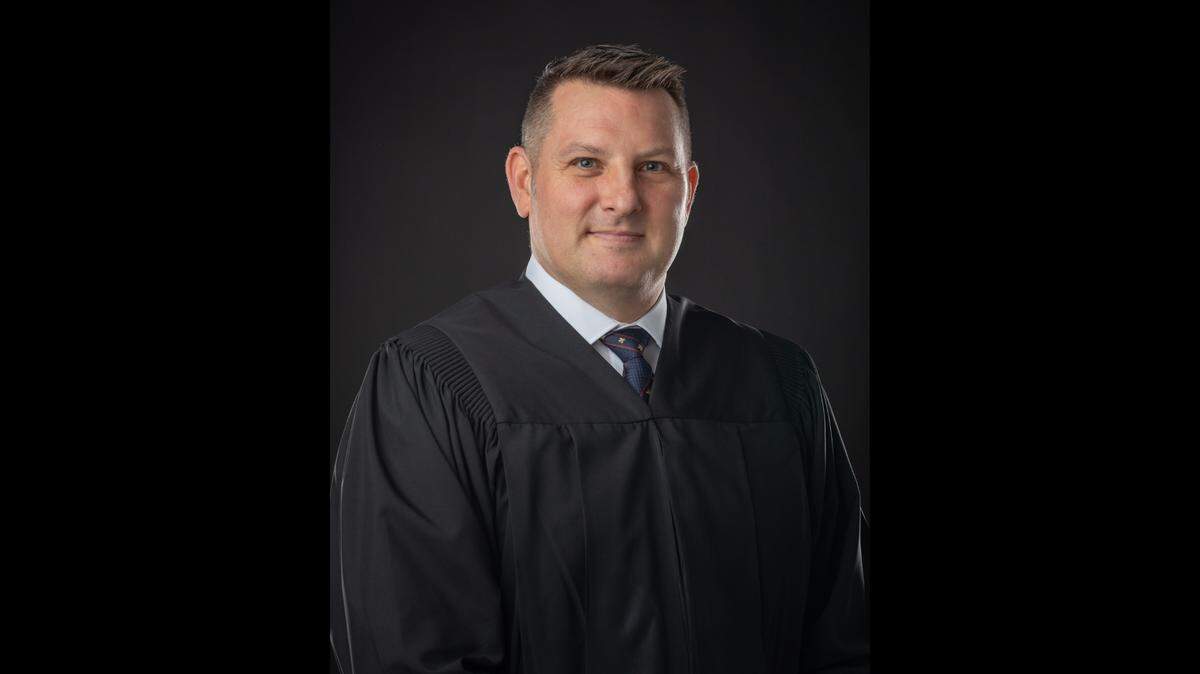
Whatcom County’s newly-elected District Court judge will be required to remove himself from hearing more than 100 drunken driving cases, a judge ordered late Monday afternoon.
Just days after he took the bench in early January, the Whatcom County Prosecuting Attorney’s Office took drastic steps to stop District Court Judge Jonathan Rands from hearing roughly 123 DUI-related criminal cases. Prosecuting attorneys didn’t believe Rands, a former DUI defense attorney, could fairly handle them.
Prosecutors filed a restraining order temporarily barring Rands from hearing the cases, and asked a higher court to order Rands to remove himself permanently from handling the cases.
Rands pushed back, arguing the prosecutor’s office was attempting to intimidate him in his first few weeks as judge, The Bellingham Herald previously reported.
The situation has concerned judges statewide, who say the actions of the prosecutor’s office are impeding judicial independence and the will of the voters.
But a judge in Whatcom County Superior Court disagreed Monday, ruling that Rands was required to remove himself from hearing the cases and acted unlawfully by not doing so.
Whatcom County District Court consists of two elected judges who serve four-year terms and preside over cases that include criminal misdemeanors, no-contact orders, general civil actions, small claims and infractions, such as traffic tickets and code violations.
Rands was elected to the District Court bench after winning the November election with 62.3% of the vote. Rands won against senior deputy prosecuting attorney Gordon Jenkins, who remains an attorney within the county prosecutor’s office.
Rands was sworn in as judge Jan. 9 and took over the caseload of his predecessor, former Judge Matthew Elich, who retired.
Courtroom packed Monday
Dozens of current and former judges, attorneys and other court officials packed the courtroom in person and virtually for a hearing Monday morning, Feb. 13, that ultimately determined whether Rands would be allowed to hear roughly 6% of the cases before him.
Attorneys for both the county prosecutor’s office and District Court made arguments as to whether a higher court should take “extraordinary measures” to require Rands to remove himself from the affidavited cases.
Deputy Prosecuting Attorney Levi Uhrig said Rands had a clear and legal duty to remove himself from handling the cases once affidavits of prejudice were filed against him in the cases. By refusing to recuse, Rands deprived the state of its right to file affidavits and exceeded his judicial authority, Uhrig said.
Affidavits of prejudice are filed against judges in cases where attorneys don’t believe they can have an impartial trial or hearing before the judge.
Uhrig said that Rands also acted illegally by continuing to issue rulings in some of the cases after declining to remove himself, which made those rulings void.
Prosecutors argued Rands was not an official judge who had the authority to act in cases until he took the judicial oath of office in early January. The prosecutor’s office could not have filed its affidavits until after Rands was sworn in as judge, Uhrig argued.
Rands also does not get to choose which cases he maintains jurisdiction over and unlawfully denied recusing himself, Uhrig said Monday.
The prosecutor’s office concluded by asking a Whatcom County Superior Court judge to issue writs of mandamus and certiorari, which would require Rands to remove himself from hearing the affidavited cases and would void any rulings Rands had made in the cases since prosecutors requested he not hear them.
Senior appellate deputy prosecuting attorney Kimberly Thulin said the petition for the writs was not about politics, or an attempt to micromanage or intimidate a lower court. Prosecutors sought the writs to correct an “obvious legal error,” Thulin said.
By filing affidavits of prejudice, prosecutors were “doing nothing more than protecting the state’s right to obtain a fair trial and fulfilling necessary obligations and responsibilities to the community,” Thulin said.
The writs sought by the prosecutor’s office are an “extraordinary remedy” that the court should think hard about before granting, said Shane Brady, a special attorney appointed Jan. 27 to represent District Court, and by extension Rands, in the writs case.
Brady said Monday that Rands did not act illegally or unlawfully. There is no basis for the prosecutor’s office to have sought the writs and no basis for either of them to be granted, Brady argued.
Rands was following court rules and law when declining to remove himself from handling the cases, Brady said.
He argued prosecutor’s were reading too much into court rules and said their argument was a metaphysical one focused on determining when a judge becomes a judge. Prosecuting attorneys knew since Rands won the election in early November, and since the results were certified later that month, that Rands would be taking over the cases handled by his predecessor come January, Brady said.
Nothing about Rands denying to recuse himself affects the 123 criminal cases or prosecuting attorneys’ abilities to prosecute them, Brady said, echoing arguments he made in earlier court filings in the writs case. Brady said the cases are still free to be prosecuted, the accused people still have their rights to fair trials and that no harm would be done by having Rands handle the cases.
Judicial duties
But Whatcom County Superior Court Judge Rob Olson disagreed with Brady’s assessment.
Before ruling, Olson said the issues before him contained “significant political dimensions” that were playing out in the court of public opinion.
Olson drew attention to an editorial opinion authored by several seated judges across the state.
He said the publicized opinion could be seen as an attempt to influence or intimidate Whatcom’s Superior Court, and cautioned seated judicial officials from making such public opinions before the proper court could hold a hearing and consider the facts.
Olson ultimately determined Rands had no judicial authority to act as a judge prior to Jan. 9, which is the day Rands took the judicial oath of office.
According to state law, judicial duties do not begin for a judge until they take the judicial oath of office. Their formal term of office also does not begin until the second Monday in January after their election, the law states.
Because Rands’ judicial authority did not start until Jan. 9, he did not have the ability to reassign cases to a different judge once prosecuting attorney’s requested he not hear them, Olson said.
Had prosecutors filed affidavits against Rands prior to Jan. 9, and then something prevented Rands from taking office, prosecutors acting on behalf of the state of Washington would have squandered their right to disqualify a judge, Olson said. Either party can only seek to disqualify one judge in any given case.
Under state laws and court rules, Rands was required to immediately remove himself from hearing the 123 cases prosecutors had filed affidavits of prejudice in, and transfer the cases to another judge, Olson said.
By not doing so, Rands unlawfully deprived the state of Washington of its right to disqualify judges and committed an obvious error, Olson ruled.
Rands’ actions “so far departed from the accepted and usual course of judicial proceedings” that it required a higher court to step in and take action to reverse the situation, Olson said.
Olson determined that there was no other remedy available to rectify the situation and granted the writs of mandamus and certiorari late Monday afternoon.
DUI evidence
Monday’s court case links back to an issue over DUI evidence, and ultimately back to Rands himself.
While running a multi-county DUI defense law firm, Rands partnered with a fellow DUI defense attorney to file so-called “Kitsap” motions in November and December in two Whatcom County District Court cases. The motions alleged the software used by breath test machines, and whose results are often entered by prosecutors in drunken driving cases, didn’t follow state law. The two cases became representative for all DUI cases in Whatcom County, according to court records.
The then-sitting District Court judges ruled in December that the breath test results could be used as evidence during trial, denying the so-called “Kitsap” motions.
The breath test issue, first brought up in Kitsap County, has now been taken up by the Washington State Supreme Court. The case could be heard during the high court’s spring or fall term.
Concerns grow
District Court prosecuting attorneys grew concerned after Rands made several comments his second day as judge saying he would rehear the “Kitsap” motions. Rands also said attorneys could present him with records from one of the two cases he had handled as a private defense attorney so he could make his own ruling on the breath test motion, the court records state.
Prosecutors then filed approximately 50 affidavits of prejudice against Rands in cases where a breath test motion may be possible. The cases included DUI, physical control and minor operating cases filed before Nov. 6, court records show.
During a court session on Jan. 17, Rands declined to remove himself from handling the affidavited cases, saying the affidavits were untimely, and then made rulings in some of the cases.
Prosecutors believed Rands was revealing he couldn’t remain impartial in DUI cases and filed affidavits in all remaining DUI cases before him. In total, 133 affidavits of prejudice were filed against Rands within his first three weeks on the bench.
The prosecutor’s office also filed petitions Jan. 20 seeking writs of mandamus and certiorari from Whatcom County Superior Court that would require Rands to recuse himself in all the affidavited cases and would void any rulings Rands had made in the cases since prosecutors requested he not hear them.
The same day, a temporary restraining order was also issued against Rands, barring him from handling the affidavited criminal cases, The Herald previously reported.
After Olson’s ruling late Monday afternoon, Brady said District Court and Rands would comply with writs that were issued.
This story was originally published February 13, 2023 at 2:17 PM with the headline "Whatcom’s newly elected judge can’t hear 123 DUI criminal cases, judge rules."