Can you drive through a yellow light? Cut through a parking lot? 6 essential WA road laws
With so many traffic laws in Washington state, the rules might slip your mind every once in a while. Forgetting or not knowing some of the more nuanced driving rules could be part of why Washington ranks as one of the worst states for drivers.
Here’s our guide to driving in Washington state, based on recent reporting, with rules that commonly cause confusion.
WHEN TO GO ON YELLOW
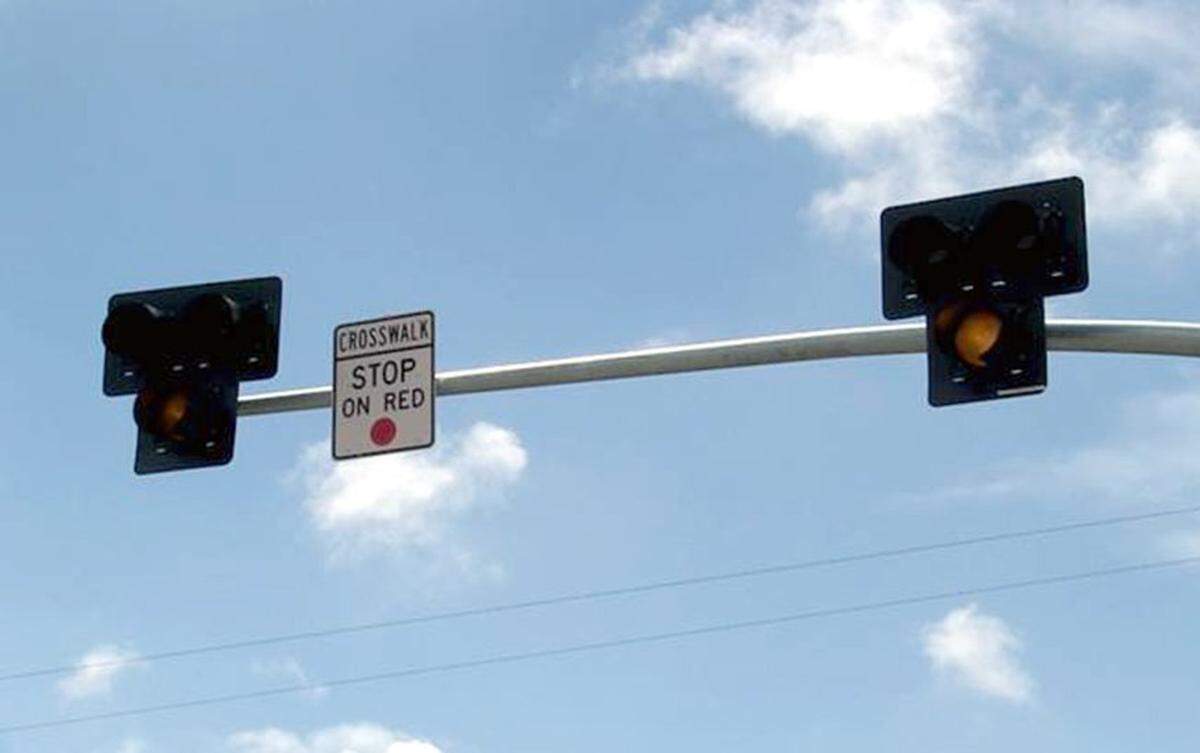
The most common dilemma a driver faces when on the road is whether to keep driving through a light once it turns yellow.
Washington is one of about three dozen states to employ a permissive yellow light law, which means that as long as your front bumper is in the intersection while the light is still yellow, you can legally pass through the intersection.
If a light is flashing yellow — which often occurs when roads are quiet at night, or there is a malfunction with the light — you can cautiously drive through the intersection without stopping.
KEEPING UP IN THE LEFT LANE
There are three instances when you can use the left lane in Washington: when going faster than and passing someone in the right lane, when allowing traffic to merge, and when planning to turn left at an intersection or other form of exit.
Washington law says that drivers cannot continually drive in the left lane if it’s possible to merge into the right, but there is also no law that states drivers have to drive at a minimum speed when in the left lane.
This differs from other states, such as Maine, where passing another car in the left lane is illegal unless you’re going at least 65 mph.
WHEN THERE’S A FUNERAL PROCESSION
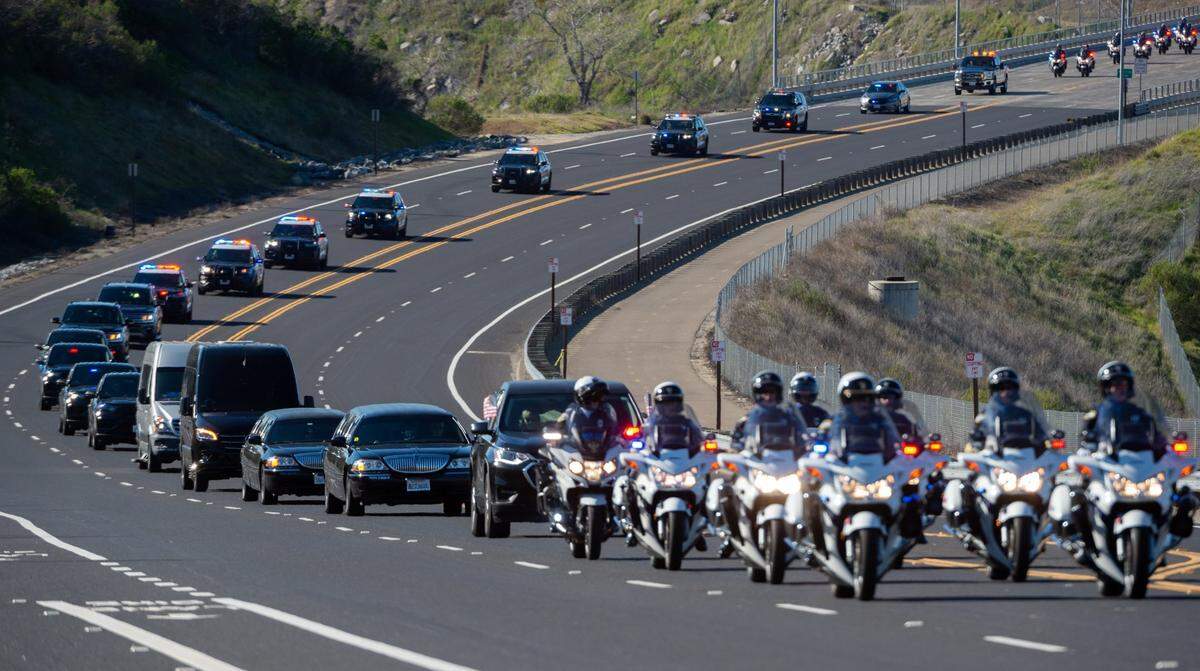
Every once in a while, you’ll come across a line of slowly moving cars that are part of a funeral procession.
Washington doesn’t have a law requiring drivers to pull to the side of the road and let the procession pass, but there are laws preventing drivers from operating a vehicle inside a procession if they’re not part of it.
This means it’s illegal to merge into the middle of a procession.
READ MORE: Are WA drivers required to yield to vehicles in a funeral procession? State law says this
CUTTING THROUGH PARKING LOTS
Have you ever heard of “rat-running?” It’s a literal corner-cutting method of driving through a parking lot to skip a corner and potentially bypass a traffic light and other cars.
Nothing in the Revised Code of Washington bans rat-running, but several jurisdictions throughout the state, such as Bellingham and Snohomish, have a no-rat-running policy. Municipalities that ban the practice will likely have signs near intersections warning drivers not to cut through a parking lot.
TURNING LEFT ON A ONE-WAY STREET
The ability to turn left onto a one-way street on a red light is one of Washington’s lesser-known yet handy traffic laws.
With so many one-way streets in some of Washington’s busiest hubs, state law allows drivers to turn left onto a one-way street even if the light is red. This is similar to how a driver can turn right at a red light unless specified at the intersection.
ELECTRIC BIKES IN THE BIKE LANE
It’s not just motor vehicles that drive on Washington’s roads. Bicyclists — on both standard and electric bikes — are also permitted to use public roadways.
Many streets have specific bike lanes, but some e-bikes aren’t allowed to use them. Class 3 e-bikes, which provide powered assistance up to 28 mph, are not allowed in bike lanes, while Class 1 and 2 bikes only provide assistance up to 20 mph and are permitted in the bike lane.
READ MORE: Can an electric bicycle rider legally drive in the bike lane? Here’s what WA law says