Homeowner put out sticky trap for wasps. It caught something bigger, WA officials say
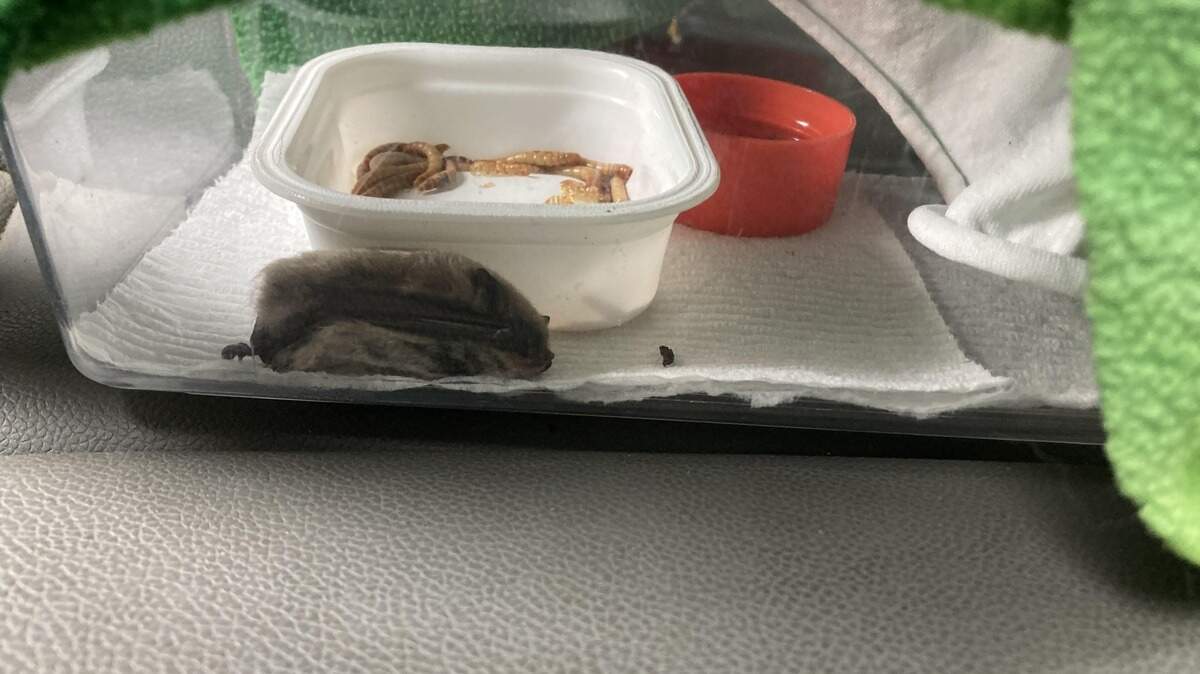
A homeowner went to check on their sticky wasp glue trap in Washington and found something with much larger wings.
The injured bat was discovered in the Crescent Bar Recreation Area near Quincy, Washington Department of Fish and Wildlife spokesperson Jennifer Becar told McClatchy News.
The homeowner reported the bat to wildlife officials, and a biologist came to tend to the winged-creature, the agency said in an Oct. 9 Facebook post.
First, the biologist removed the bat from the sticky trap in late August and then worked on cleaning the glue from its body, wildlife officials said.
“After many rounds of washing to remove most of the remaining glue, the bat began vocalizing and getting more mobile again,” officials said in the post.
But the bat couldn’t fly because of the remaining glue on its wings.
So they sent it to Bats Northwest where a bat rehabilitator could care for it, officials said.
Once the bat made a full recovery, about a week ago, it was released into the wild where it was first found.
Toxic glue traps can cause wildlife to have slow death
Wildlife officials warned the public about the hazards of using glue traps, which can include a creature starving to death or dying of dehydration.
“Even if a bat or other mammal escapes such a trap, they may ingest the toxic glue while grooming,” officials said.
Instead of using toxic sticky traps, officials said a wildlife-safe option should be used for pest control. Those options include using “reusable hanging traps with small entrances that hornets or wasps crawl inside.”
A protein or sugar solution is used in these as bait instead of toxins, officials said.
Additionally, bats shouldn’t be handled unless someone is wearing gloves and using a shovel or box to scoop it.
Quincy is about 160 miles southeast of Seattle.