
‘Deeply concerning.’ WWII tank leaking radioactive waste into ground in WA, feds suspect
A third aging underground tank at the Hanford nuclear site is suspected of leaking highly radioactive and hazardous chemical waste into the ground, the Department of Energy said Thursday.
“This is deeply concerning to the Washington (state) Department of Ecology and needs to be addressed with urgency,” said Ecology Director Laura Watson in a statement. The state agency is a Hanford regulator.
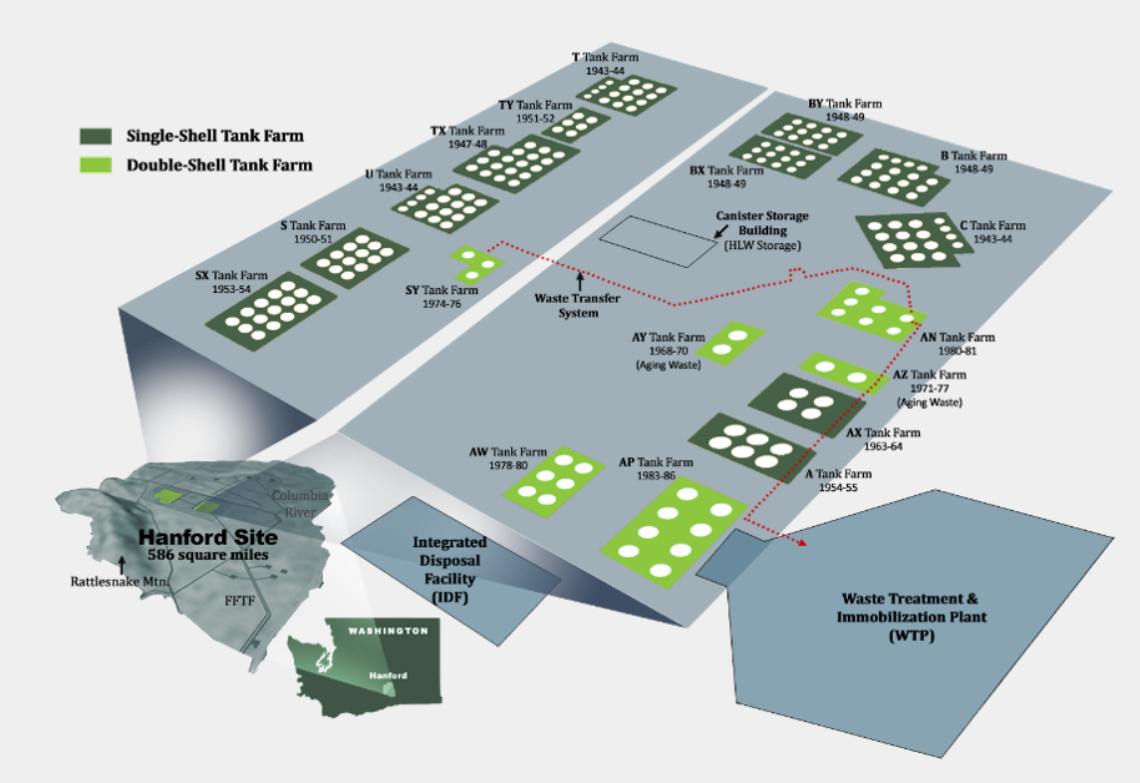
Since radioactive waste began being added to underground tanks at Hanford in Eastern Washington in World War II, at least 68 of the site’s 149 single-shell tanks are suspected of leaking or spilling waste into the ground.
But, until now, after removing as much of the liquid waste as possible from the tanks, just two were known to be leaking, at least at rates large enough to be detectable.
Neither of those tanks have been emptied of waste, although in an agreed order with Ecology two years ago DOE was to explore ways to accelerate the schedule to retrieve waste from the two tanks known to be leaking then.
The agreed order also called for a response plan to be developed for future leaks, but the plan has yet to be completed and DOE and Ecology will discuss the next steps for the most recent tank of concern, Tank T-101.
Watson said that the state does not “believe this tank poses an immediate risk to workers or the public.”
Estimates of leaking waste
Tank T-101 is part of a grouping of 16 underground tanks called the T Tank Farm, where Tank T-111 was discovered to be leaking waste into the ground, DOE announced in 2013. Then in 2021 it said Tank B-109, in the B Tank Farm, was also leaking.
Tank T-101 is one of the smaller waste storage tanks at Hanford with a capacity of 530,000 gallons. Some single shell tanks have a capacity of 1 million gallons.
It was built during 1943 and 1944 and has held waste since 1945, with more waste added until 1979. It now holds about 93,000 gallons of waste, most of it sludge and saltcake.
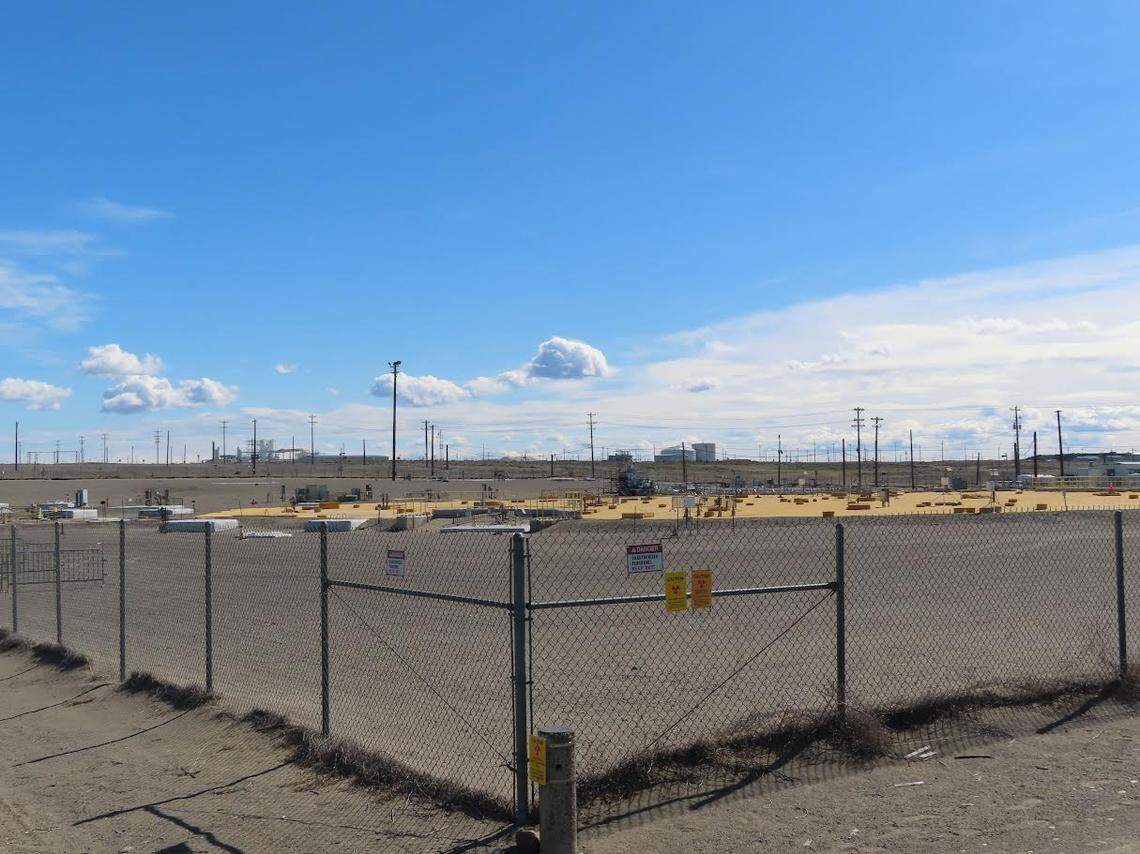
But it also holds an estimated 7,000 gallons of liquid waste that could not be removed during DOE’s campaign to pump liquid waste out of all single-shell tanks to reduce leaking. As much liquid waste as possible was removed from Tank T-101 in 1993.
Now the tank could be leaking up to 200 gallons a year, according to DOE estimates.
That compares to DOE estimates that Tank T-111 is leaking 150 to 300 gallons a year and that Tank B-109 is leaking about 3.5 gallons a day, or about 1,275 gallons a year.
Groundwater is about 160 feet below the T Tank Farm, and officials have estimated that in a couple of decades the leak from Tank T-111 could reach the groundwater, which moves toward the Columbia River.
Hanford’s single-shell tanks, plus 27 newer double-shell tanks, hold 56 million gallons of waste from the chemical processing of uranium irradiated at the 580-square-mile nuclear reservation near Richland to retrieve nearly two-thirds of the plutonium for the nation’s nuclear weapons program from WWII through the Cold War.
Waste from single-shell tanks is being emptied into limited space available in newer double-shell tanks to continue to be stored until the waste can be treated for disposal. The Hanford vitrification plant is expected to turn some of the least radioactive waste in the tanks into a stable glass form starting in August 2025.
Tank T-101 was not on the list of suspected leaking tanks when irregularities were noticed during ongoing tank integrity and tank monitoring done by DOE contractor Washington River Protection Solutions.
A camera inserted down a riser, or pipe extending from the ground into the enclosed tank, showed the pool of liquid waste on top of the waste in the tank appeared to be smaller than usual. That prompted a more thorough assessment of data, including checks of the liquid trapped in pockets within the solid waste.
DOE’s tank farm contractor concluded that the tank “more likely than not” is leaking, said DOE spokesperson Ed Dawson.
Plans for radioactive waste
“The total volume of waste involved is relatively small and the waste is leaking into a large underground area contaminated by past discharges of millions of gallons of waste to soil disposal sites and leaks from multiple tanks,” DOE said in a message to Hanford employees Thursday morning.
DOE has a state-of-the-art groundwater treatment plant, the 200 West Groundwater Pump and Treat System, that is removing some types of chemical and radioactive contaminants from groundwater in the area of the T Tank Farm.
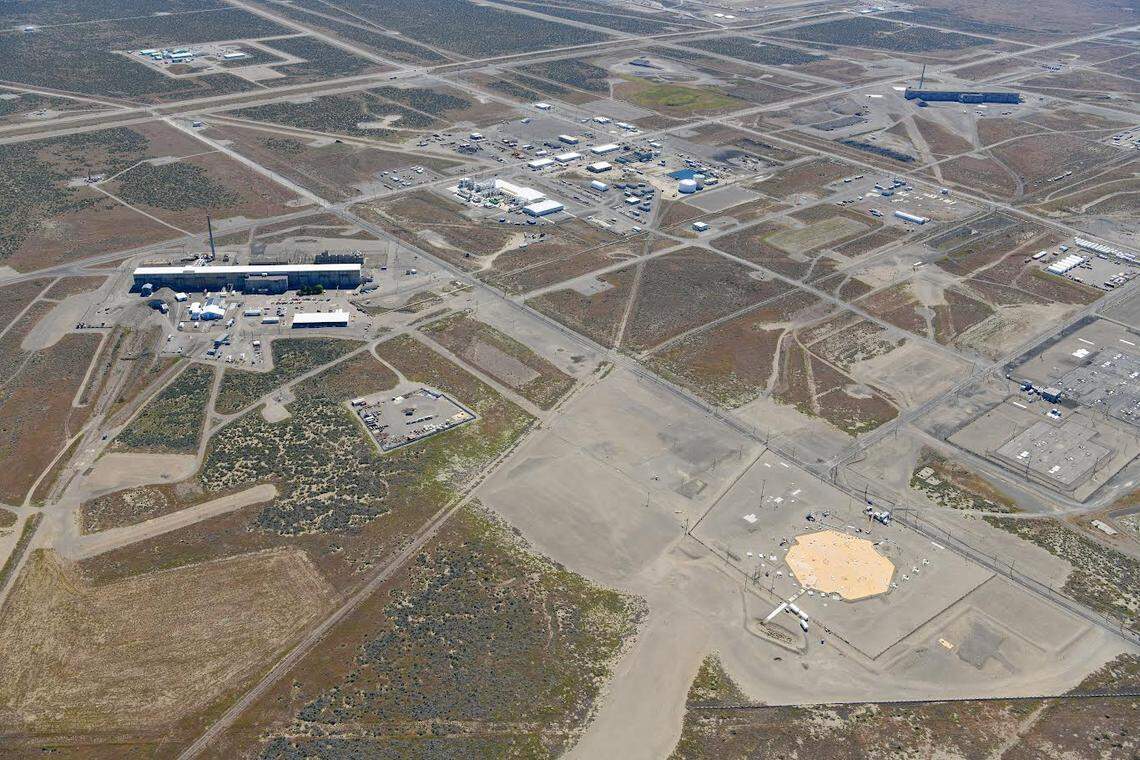
In addition, as part of the agreed order reached after the Tank B-109 leak was discovered, DOE must build a surface barrier over the T and B tank farms to catch rain and snow melt and prevent it from moving contamination deeper into the ground toward groundwater.
T Farm already had a barrier covering some of its tanks, but it did not extend to the latest tank of concern, Tank T-101. Both barriers are required to be completed by 2028. Design work is being done now for the T Tank Farm barrier.
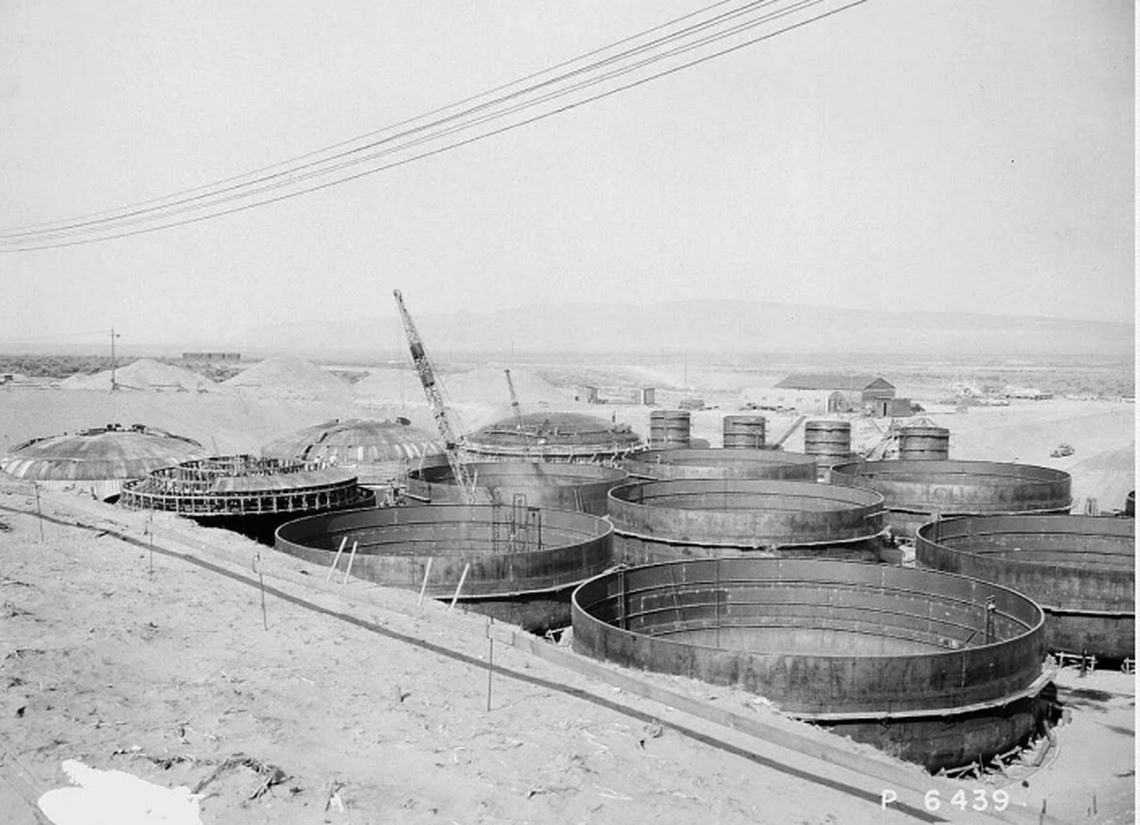
The latest tank suspected of actively leaking “is another reminder of the growing threat that aging and failing infrastructure at the Hanford site poses to Washington’s environment and nearby communities,” Watson said.
She said it is critical for DOE to get waste out of tanks, turned into an immobile, solid form and disposed of permanently as soon as possible before more tanks leak.
This story was originally published August 15, 2024 at 11:00 AM with the headline "‘Deeply concerning.’ WWII tank leaking radioactive waste into ground in WA, feds suspect."