
3rd avian flu outbreak in large commercial flock near Pasco. Chickens to be killed
The first detection of highly pathogenic avian influenza in a commercial bird flock this year in Washington state has been confirmed near Tri-Cities.
The Washington State Department of Agriculture announced late Friday afternoon that H5N1 bird flu was spreading in a large commercial chicken flock in Franklin County, but did not identify the farm.
However, it follows an outbreak in 2022 at an Oakdell egg farm north of Pasco with 1 million chickens and another outbreak at an unnamed large commercial poultry operation in the same county in 2024.
Most recently, the Department of Agriculture said a large operation in Franklin County reported high numbers of sudden deaths in their chickens on Wednesday, Jan. 22. Other chickens were lethargic and appeared to be sick.
Testing at the National Veterinary Services Laboratories confirmed late Friday the chicken were infected with what’s commonly called bird flu, which spreads rapidly among poultry, causing severe illness or death.
Rapid euthanasia of all birds on a farm is needed to contain an outbreak and make sure poultry products from the infected flock are not used for food, the Department of Agriculture said.
Eggs are destroyed.
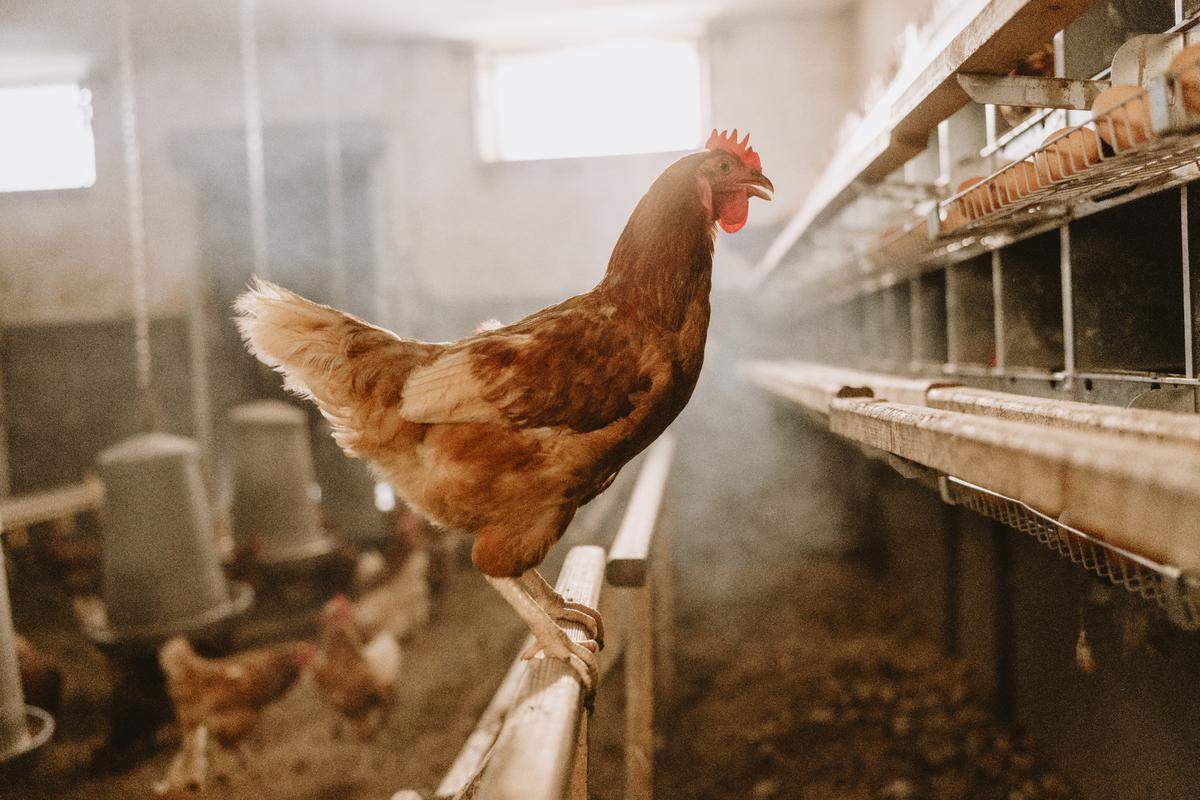
In the October 2024, outbreak at a Franklin County farm, 800,000 chickens died or were euthanized.
The Franklin County farm with the current outbreak has been quarantined, and state and federal officials are monitoring flocks for symptoms within about a six-mile radius of the farm. Other farms in the quarantine zone must receive a state permit to move safe poultry products in or out of the area.
The 2024 Franklin County outbreak was the first time that people were believed to be infected with the virus in Washington state. At least eight workers at the farm had suspected or confirmed cases of avian influenza.
The Franklin County chickens were suspected of being infected by migrating waterfowl, with the infection spreading from chickens to workers at the farm.
Earlier this month the first death of a person from H5N1 bird flu was reported in Louisiana, but no person-to-person transmission of the virus has been documented.
The Washington state Department of Agriculture is working with public health officials to identify people exposed to the virus and provide testing and treatment, if needed.

The risk to the general public is low, according to Washington state health officials. But health and agriculture officials are monitoring the virus closely to see if it evolves, possibly in a way that could make it more dangerous to people.
Egg prices are expected to remain high and eggs in limited supply as the avian flu virus continues to infect commercial flocks across the nation.
The virus now has been detected in 136 million wild birds, and birds in commercial poultry flocks and backyard flocks, according to the Centers for Disease Control and Prevention.
Bird flu precautions, reporting
If owners of domestic bird flocks see sudden illnesses or deaths in multiple birds, they should call the state’s Sick Bird Hotline at 800-606-3056.
Since avian influenza, or H5N1, was first detected in Washington state in 2022 three commercial flocks, all in Franklin County, and 51 domestic flocks have been infected. Bird owners are encouraged to use biosecurity measures outlined at poultrybiosecurity.org.
The best way to protect domestic flocks is to keep them away from wild birds, according to Amber Itle, Washington state veterinarian.
Owners of backyard flocks are asked to report sick or lethargic birds or deaths of birds to the state with an online surveillance self-reporting tool. If multiple birds die suddenly, owners should call the sick bird hotline at 800-606-3056 and the birds should be double bagged and kept in a cooler on ice until state veterinarians can collect samples.
People who find wild aquatic birds that may be sick or may have died from avian influenza should report them to the Washington state Department of Fish and Wildlife at wdfw.wa.gov/species-habitats/diseases/bird-flu.
People who are exposed to infected birds, cattle or other animals are at higher risk of infection and should take precautions, such as wearing personal protection equipment, according to the Department of Health.
It also warns people not to handle dead birds and to keep their pets away from them.
The Oregon Department of Agriculture reported Friday that a cat in Washington County that sometimes came in contact with ducks and geese had tested positive for H5N1 avian influenza.
Dogs also can be infected with the virus, but cats are more susceptible, it said.
Chicken products safe
Chicken, eggs and other poultry products are safe to eat when properly handled and cooked, according to the Benton Franklin Health District.
It recommends:
- Wash hands and clean and sanitize work surfaces and equipment.
- Do not wash poultry.
- Separate raw and cooked meat to avoid cross-contamination.
- Cook poultry thoroughly to an internal temperature of 165 degrees Fahrenheit.
- Keep poultry stored at 40 F or below or, in the freezer at 0 F or below.
This story was originally published January 24, 2025 at 7:57 PM with the headline "3rd avian flu outbreak in large commercial flock near Pasco. Chickens to be killed."