
US measles cases are surging. Is Washington at risk of an outbreak? Here’s what to know
The U.S. has seen an uptick in measles cases this year, but what about in Washington state?
According to the Centers for Disease Control and Prevention, 378 cases of the disease have been confirmed so far in 2025 in 18 states, including two cases in Washington. That’s already more than the country saw in all of 2024 when there were 285 cases. Most of this year’s spread is linked to an outbreak of 309 cases in Texas.
Is Washington at risk of seeing the disease spread, and who needs to get vaccinated? How do you know if you need a booster shot? Here’s what you need to know.
Washington state measles cases
The Evergreen State’s two recorded measles cases in 2025 include one in King County and one in Snohomish County. That’s roughly on par with the rate at which the measles circulated in Washington last year, when the state saw six cases in total.
According to Mark Johnson, a public information officer at the Washington State Department of Health, the two cases were linked.
“The first case may have been exposed during recent travel abroad. The second case was identified as an exposed contact of the first case,” Johnson told McClatchy in an email.
The state does occasionally reach a double-digit measles case count, although it hasn’t seen a significant outbreak since 2019.
“Outbreaks ranging in size from seven to 33 cases occurred in Washington in 2001, 2004, 2008, and 2014,” Johnson said. “In 2015, one outbreak occurred with six cases, one of which was fatal. In 2019, there were two large outbreaks of measles in addition to four non-outbreak cases, totaling 90 cases. Since then, Washington has experienced sporadic cases and small outbreaks due to unvaccinated persons being exposed to measles during travel to areas where measles is circulating.”
According to Johnson, in addition to the two cases this year, the half-dozen Washington measles cases in 2024 were connected to people flying abroad.
“All six cases either had or were linked to international travel,” Johnson said. “Most cases have been among people 12 months of age or older who had not received measles, mumps, and rubella (MMR) vaccine.”
The CDC maintains a list of countries where the disease is most prevalent. According to the dashboard, which uses World Health Organization data from August 2024 to January 2025, Yemen has seen the most cases, at over 7,500. They are followed by Pakistan, India and Thailand.
Do I need a measles vaccination?
Vaccination is considered the best defense against the disease, according to experts. Two doses of the MMR vaccine offers 97% protection against contracting measles and lasts a lifetime. Most people won’t need a booster, but should check with their doctor if they’re unsure, according to Yale Medicine.
However, Johnson said that MMR vaccination rates started falling during the COVID-19 pandemic, and remain relatively low.
“MMR vaccination coverage rates for children dropped during the pandemic and have not recovered. In 2023, only about 75% of children aged 19 to 35 months in Washington were up to date on their MMR vaccinations,” Johnson said.
That’s around 20% below the threshold needed to ensure the disease doesn’t spread.
“The spread of measles can be stopped in communities by maintaining 95% or higher measles vaccination coverage,” Johnson said.
When is the MMR vaccine needed?
The first dose of the MMR vaccine is recommended between 12 and 15 months old, according to the CDC. The second dose is typically given when children are between four and six years old. Even if you weren’t vaccinated at the recommended ages, the CDC says that adults without prior immunity should get the shot.
The CDC notes that people likely have prior immunity if they’ve been vaccinated or contracted measles in the past. Those born before 1957 may also have immunity, as most people were likely to have been infected before the vaccine was available. You can ask your healthcare provider to test your immunity if you’re not sure.
According to DOH, you can check to see if you’ve received the vaccine through the MyIRMobile online portal, by checking with your healthcare provider or by submitting a request to DOH.
If you’ve never been vaccinated, the MMR vaccine can be administered within the first 72 hours after you’ve been exposed, which can offer some protection against the worst symptoms of the disease, according to the CDC.
Measles symptoms and treatment
Measles symptoms take a week to appear once the disease has been contracted. Between seven and 14 days after getting infected, these symptoms are common:
High fever
Coughing
Runny nose
Red eyes
Two to three days after symptoms begin, small white spots may appear in the patient’s mouth, followed by flat red spots at three to five days after the onset of symptoms. The rash typically begins on the infected person’s face before spreading to the rest of the body, can include bumps and is occasionally accompanied by a spike in body temperature.
In severe cases, it can lead to a secondary infection, including an ear infection or even pneumonia. According to the CDC, one in ten measles patients contracts an ear infection, while one in 20 children who are infected develop pneumonia. Overall, 20% of cases among the unvaccinated result in hospitalizations. According to the DOH, between 0.1% and 0.3% of measles cases result in death.
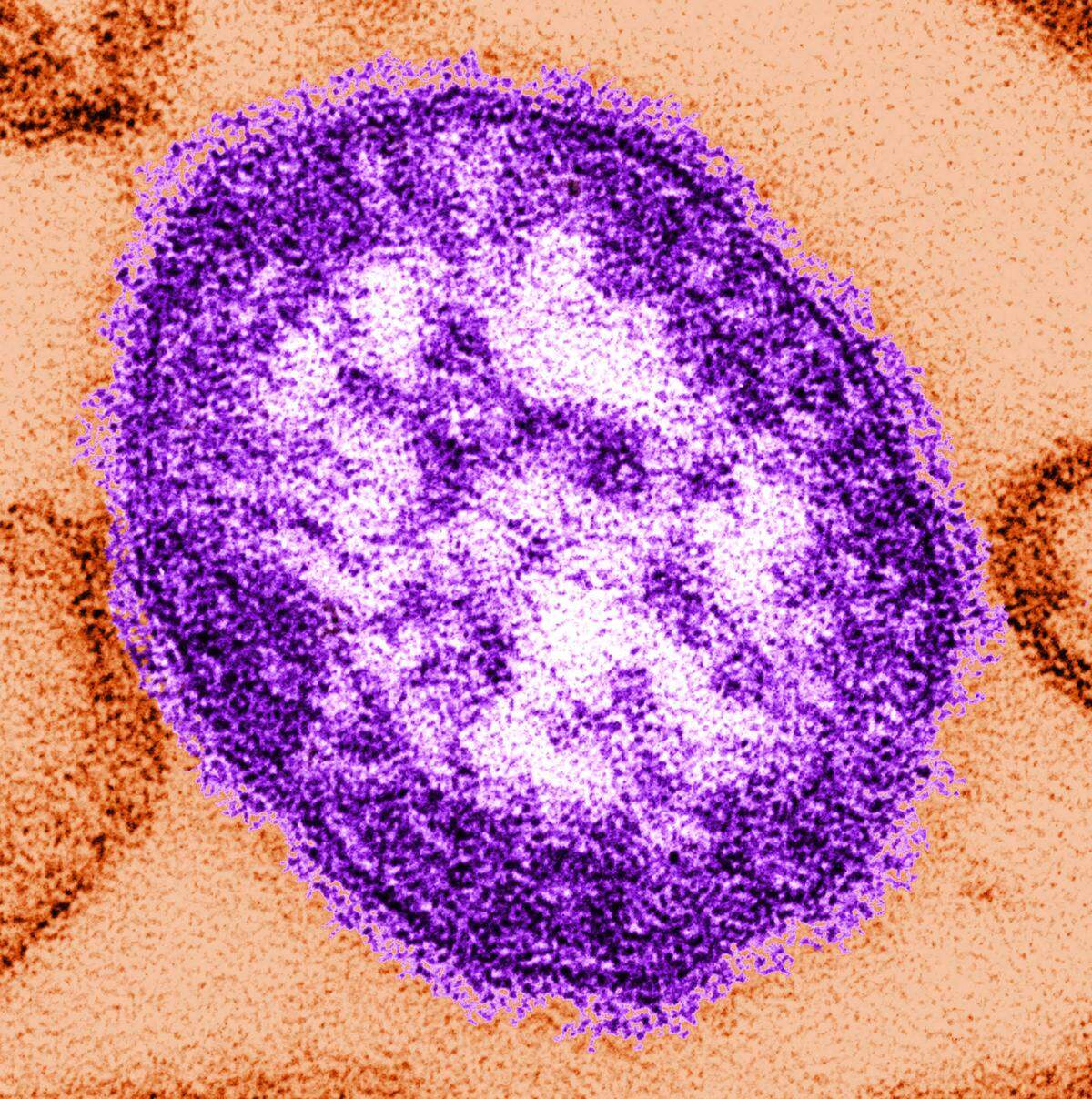
Children under the age of five and adults who have a weakened immune system or are pregnant are at the highest risk of developing complications.
According to the Mayo Clinic, there’s no specific treatment for measles, although some medications can help alleviate certain symptoms.
Over the counter fever reducers such as ibuprofen and acetaminophen can help deal with fever caused by the measles, while antibiotics can often help with a secondary infection. Aside from that, the Mayo Clinic recommends rest, hydration, humidifiers and nasal spry to ease symptoms.
This story was originally published March 22, 2025 at 5:00 AM with the headline "US measles cases are surging. Is Washington at risk of an outbreak? Here’s what to know."