Northwest cherry crop bounces back. But will Trump tariffs sour the gains?
The region’s cherry harvest will be fruitful this year.
The fresh Northwest cherry crop is expected to be about 10% larger compared to last year.
They’ll fill stores from early June to mid-August, which means the 90-day reprieve on Trump’s tariffs should help protect growers from major losses this season.
Cherry season
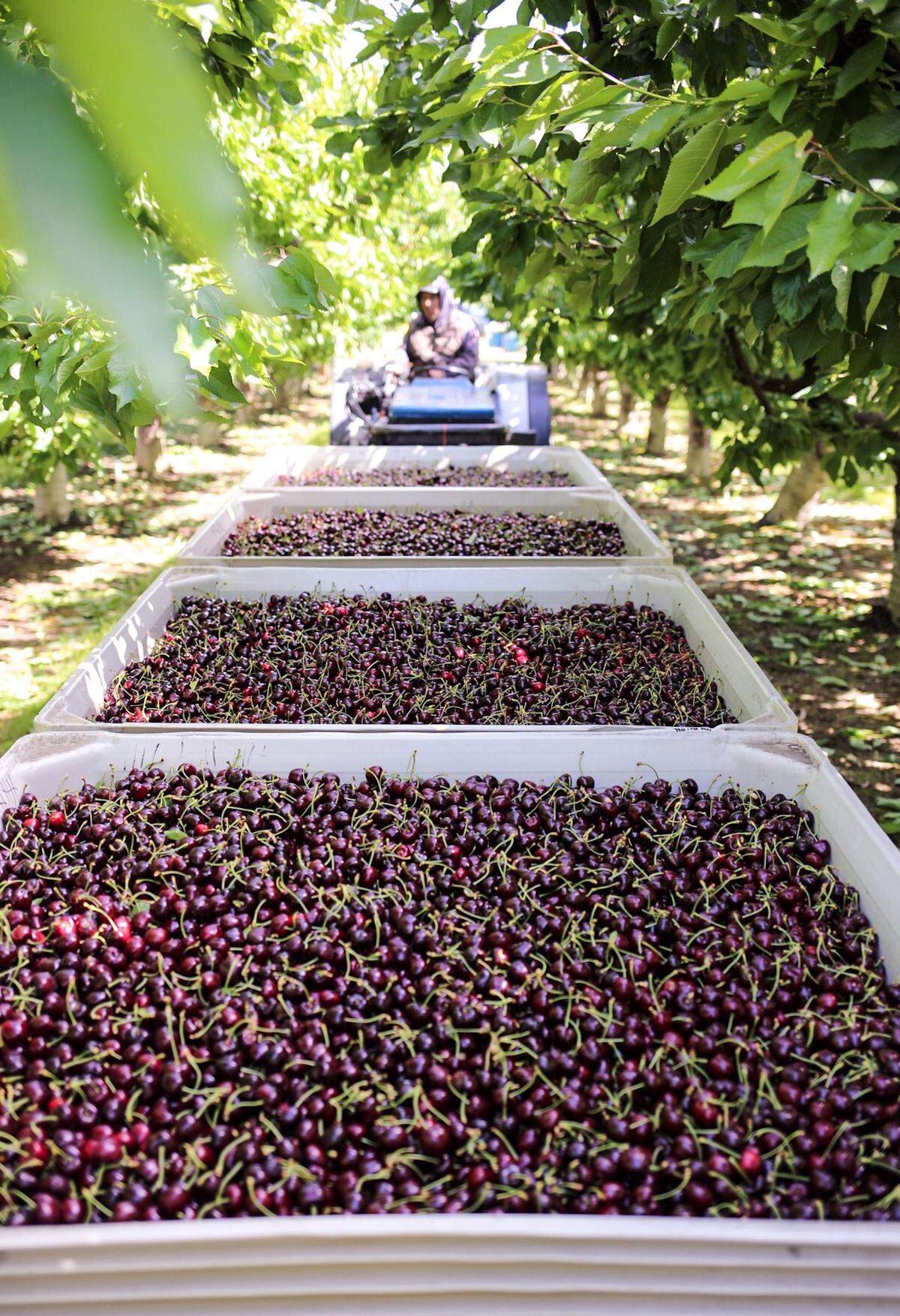
Northwest cherries grow in five states — Washington, Oregon, Idaho, Utah and Montana.
Washington represents about two-thirds of the nation’s sweet cherry production. The three major growing regions are the Yakima Valley, Wenatchee and Columbia Basin.
They start to ripen from south to north based on weather and geography. Cherries at higher elevations ripen last.
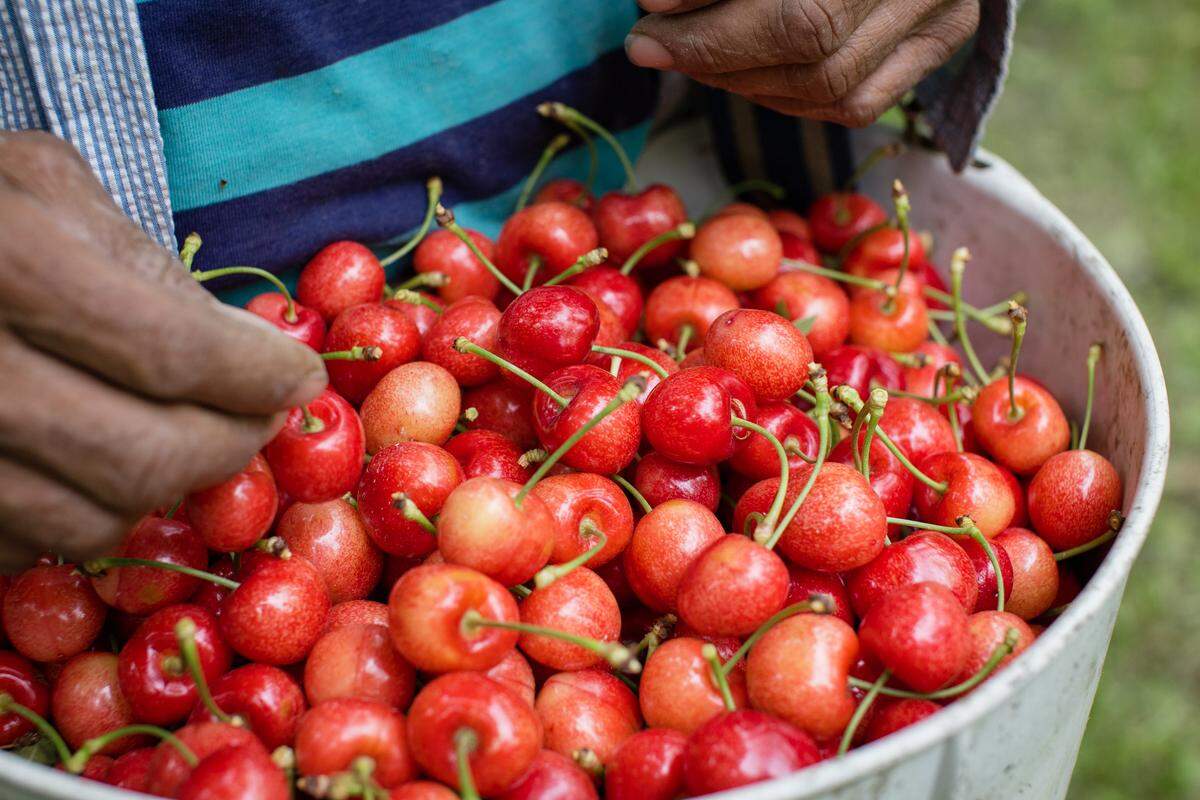
That’s a good thing for consumers who will consistently find sweet red and yellow cherries in stores, at farmers markets and fruit stands following several challenging years for growers.
In 2023, the U.S. Department of Agriculture issued a formal disaster declaration for cherries in 22 Washington counties, including Benton and Franklin, and six Oregon counties because of excessive heat damage.
That followed three previous cherry seasons that struggled with international export restrictions during the pandemic, crop diseases and extreme weather in 2021 and 2022.
Jon DeVaney, president of the Washington State Tree Fruit Association, said that it’s encouraging to see the crop developing more normally this year. It also means that prices will be more steady.
The first U.S. cherries available are from California. DeVaney said that the California crop is looking significantly smaller than last year, so there won’t be much overlap between California and Northwest cherry seasons.
Exported fruit
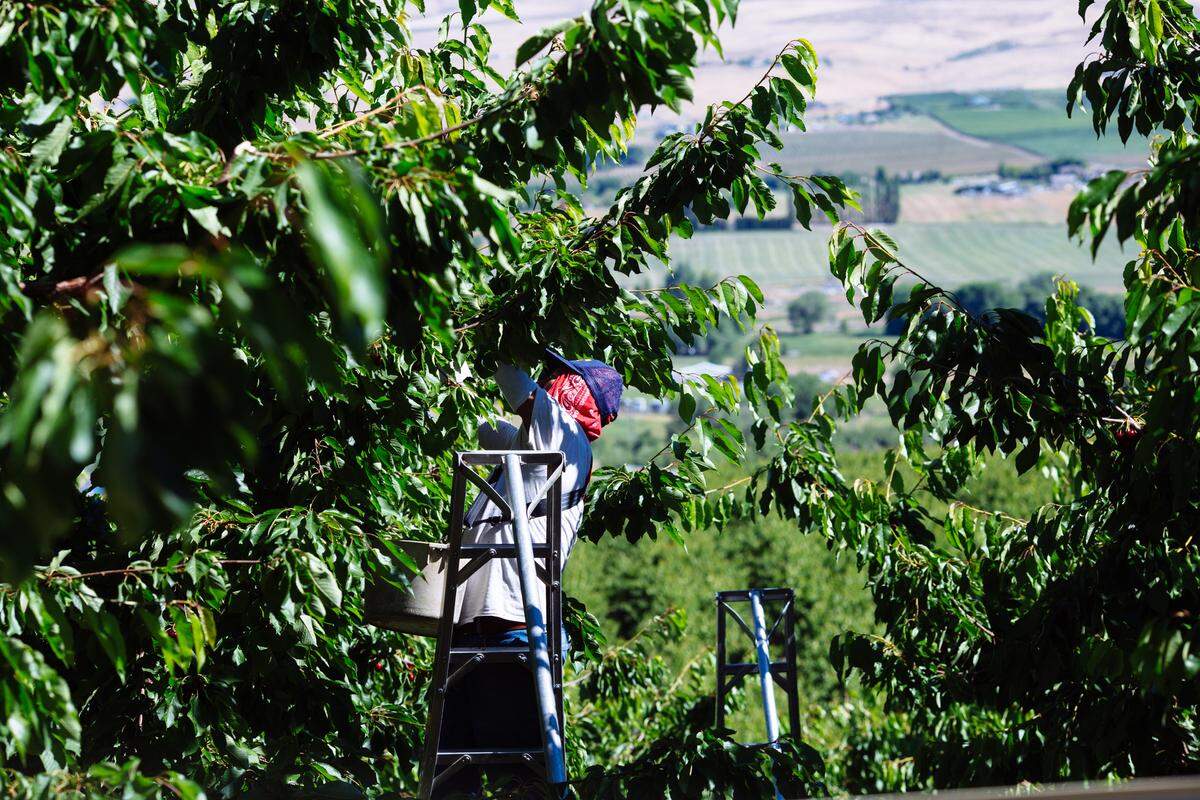
About 70% of Northwest cherries are shipped across the United States and 30% end up exported.
In 2024, Canada was the top country to import Northwest cherries, followed by China, Taiwan, Southeast Asia, Mexico and Korea.
Northwest Cherry Growers ran marketing programs in 17 countries last year.
DeVaney said that some growers were concerned about retaliatory tariffs from China, which pays premium prices for Northwest cherries.
The 90-day pause on tariffs should cover the cherry season.
This story was originally published May 26, 2025 at 5:00 AM with the headline "Northwest cherry crop bounces back. But will Trump tariffs sour the gains?."