
Update: Trump administration’s proposed Hanford ’26 budget too low to meet deadlines
AI-generated summary reviewed by our newsroom.
- Trump proposal cuts Hanford cleanup budget despite growing cost needs
- $1.9B spending proposed for tank waste, but reduced soil, facility cleanup funds
- Proposed levels would put legal cleanup deadlines at risk
The Trump administration has proposed a budget for the Hanford nuclear site for the next fiscal year that appears to maintain funding at current levels, but likely is inadequate to meet legal deadlines.
According to the Technical Supplement to the 2026 Budget released Friday evening, the Trump administration proposed a $34 million cut for the Hanford nuclear site for the next fiscal year when it was compared to funding for fiscal 2024. Fiscal 2025 funding details had then not been released and was not listed.
That was followed by a publicly available Department of Energy “Budget in Brief” Monday with expanded information that showed the Trump administration’s proposal would provide funding for the Hanford site in Eastern Washington equal to current spending.
The proposal, forwarded to Congress which sets the budget, would provide just under $3.1 billion for environmental cleanup work at the nuclear site in Eastern Washington.
Hanford is the largest and most contaminated of the DOE nuclear defense cleanup sites, and fared better than many of the other sites, which had budget cuts.
With a need for spending at Hanford to increase to meet legal deadlines, Sen. Patty Murray, D-Wash., the vice chairperson of the powerful Senate Appropriations Committee, called the proposed Hanford budget as released Friday evening “utterly unacceptable and will be going nowhere as far as I am concerned.”
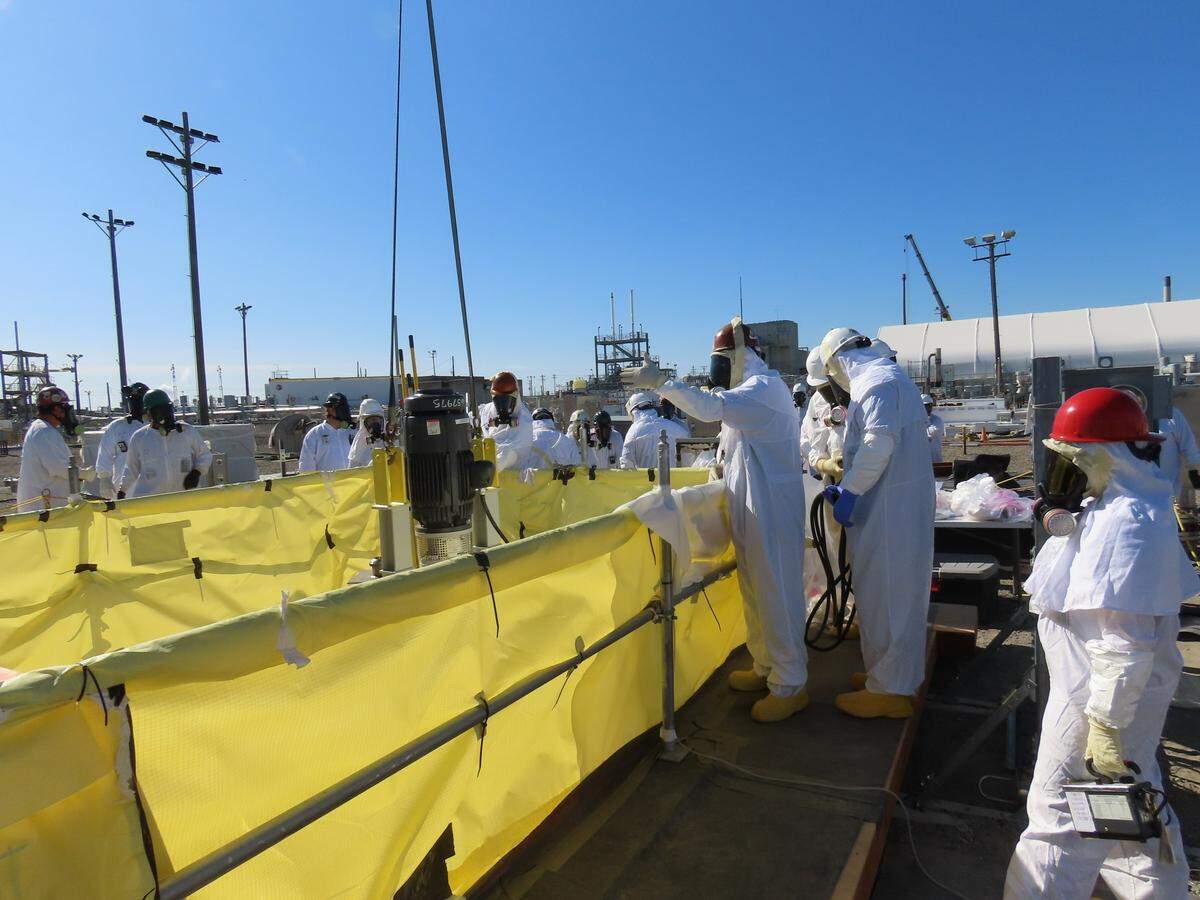
“Trump’s proposal for Hanford would force us to fall behind on the cleanup mission at a critical time, leaving key milestones unmet and raising the cost on the cleanup in the long run — not to mention increasing the safety and environmental risks for the Tri-Cities,” she said in a statement.
The Washington state Department of Ecology, a Hanford regulator, estimated in 2024 that a budget of almost $4.7 billion would be needed in fiscal 2026 to meet legal deadlines for environmental cleanup of the site.
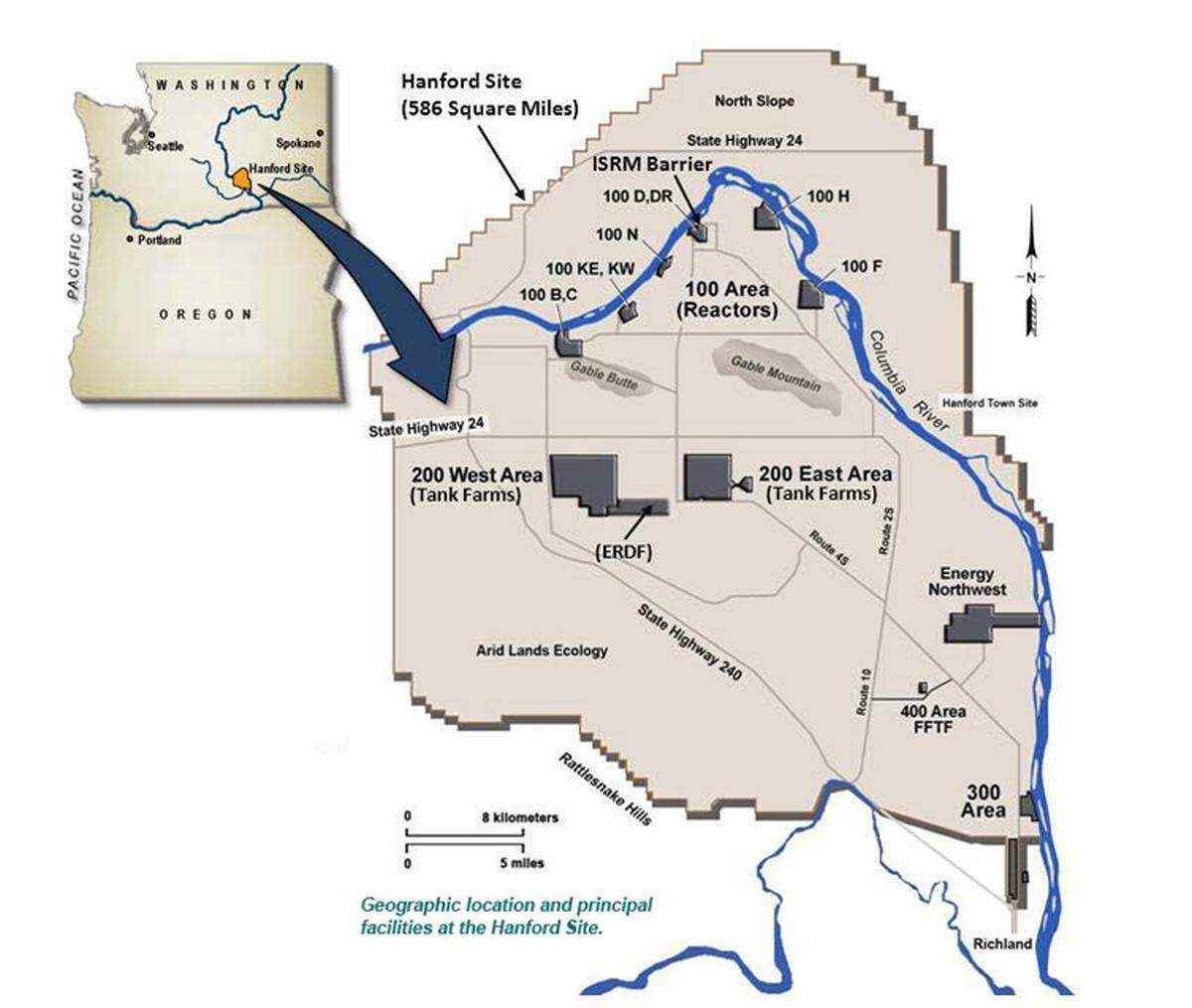
The 580-square-mile Hanford nuclear site adjacent to Richland in Eastern Washington was left heavily contaminated from production of nearly two-thirds of the plutonium for the nation’s nuclear weapons program from World War II through the Cold War.
“Writing spending bills will be challenging, but I’ll be fighting to support Hanford, the workers powering the cleanup mission and the Tri-Cities community,” Murray said in a statement.
Proposed Hanford site budget
The DOE Budget in Brief outlines a proposal to increase spending by $163 million for work to manage 56 million gallons of radioactive waste stored in underground tanks and to treat it for disposal.
That would be offset with a spending cut of $163 million for all other work at Hanford.
The document listed a $2.1 billion budget, an 8% increase, for work under the DOE Hanford Office of River Protection, which is responsible for storing and treating tank waste.
The increase would be used for treatment at the Hanford vitrification plant of some of the least radioactive waste held in underground tanks, which could begin as early as this summer to create a stable glass waste form for disposal.
The increase also would cover a ramp up of work to prepare tank waste to be treated.
Other work covered by the budget would include emptying leak-prone single-shell waste storage tanks.
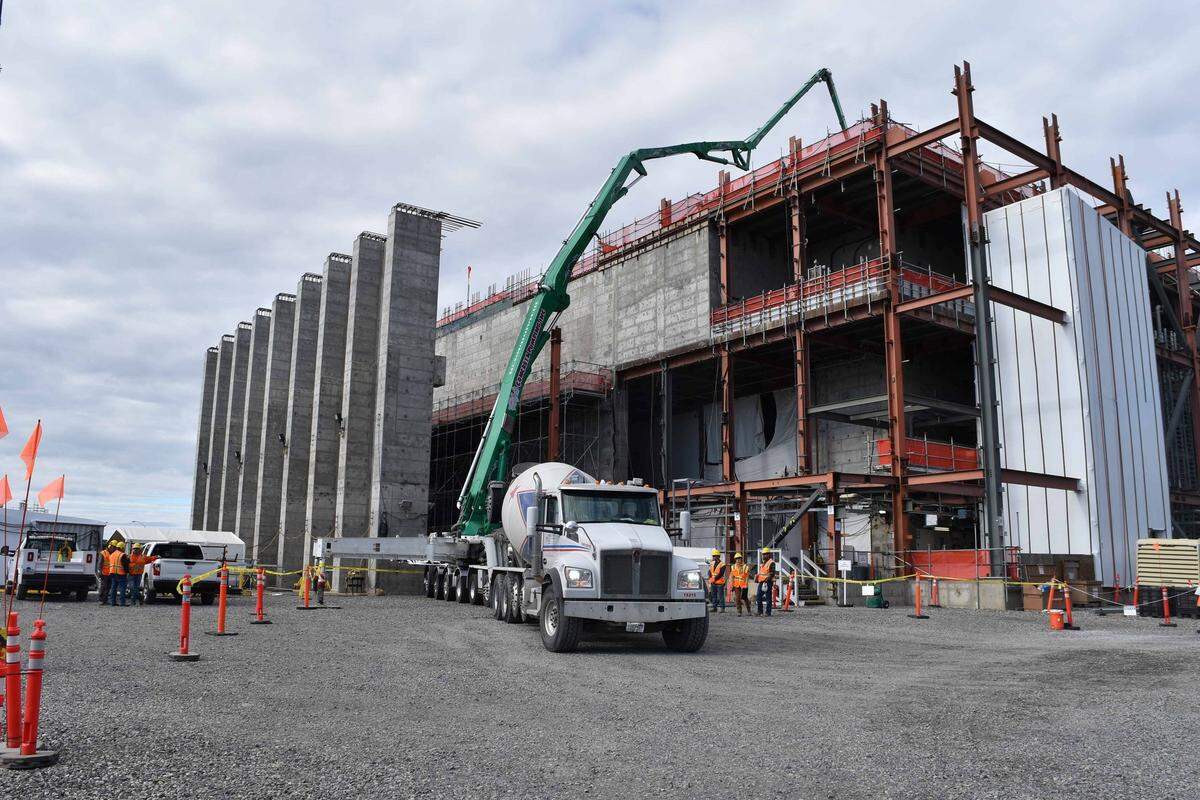
The budget also would advance the engineering and design needed to complete the construction of the vitrification’s High Level Waste Facility, which is required to start vitrifying the most radioactive of the tank waste by a legal deadline of 2033.
The DOE Hanford Richland Operations Office would have its budget cut to about $971 million, a 14% decrease.
Its work includes cleaning up contaminated soil and water; digging up buried radioactive waste; and tearing down contaminated and obsolete buildings, including chemical processing plants that are longer than the Seattle Space Needle is tall.
The Richland Operations Office also is responsible for sitewide services, such as roads and utilities.
Future budget needs
Long term, significantly higher budgets would be needed for Hanford to finish cleanup as projected in its latest lifecycle cost and schedule report released this spring.
The report said remaining cleanup work costs could range from $364 billion to $640 billion, with the higher number completing most cleanup as of 2086.
At the low range, it projected spending peaking at $8 billion per year with spending approaching $4.5 billion to up to $5 billion annually for most of the remainder of this decade into the 2040s.
Under the high range estimate, spending would peak at $13 billion in 2075 with $6 billion to $8 billion needed annually for most of the remainder of the decade to 2050, when spending would need to increase.
This story was originally published June 2, 2025 at 12:42 PM with the headline "Update: Trump administration’s proposed Hanford ’26 budget too low to meet deadlines."