
Rare Eastern WA flower has bloomed since the ice age. It’s close to extinction
AI-generated summary reviewed by our newsroom.
- Rare ice age-era flower that blooms near Tri-Cities is at risk of extinction.
- Center for Biological Diversity petitions for Endangered Species Act protection.
- Plant's survival relies on fluctuating waterways shaped by ancient flood cycles.
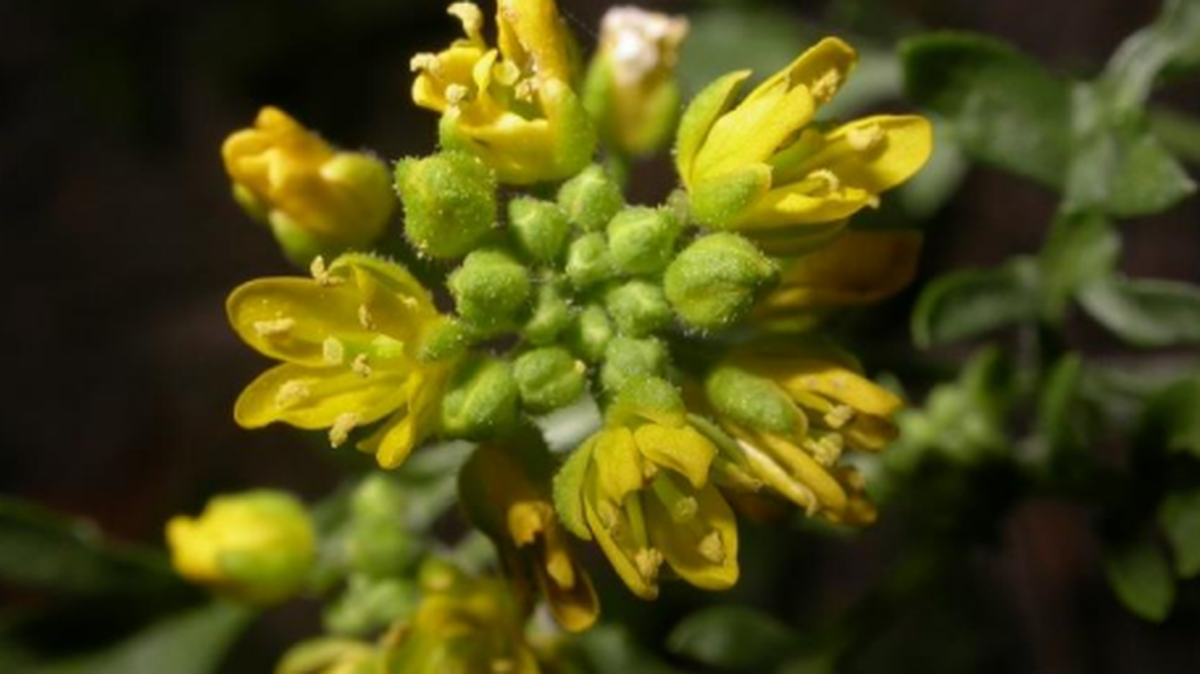
Protection is being sought for a rare flower that has bloomed in the Northwest since the ice age floods. Many of the remaining plants are found within miles of the Tri-Cities.
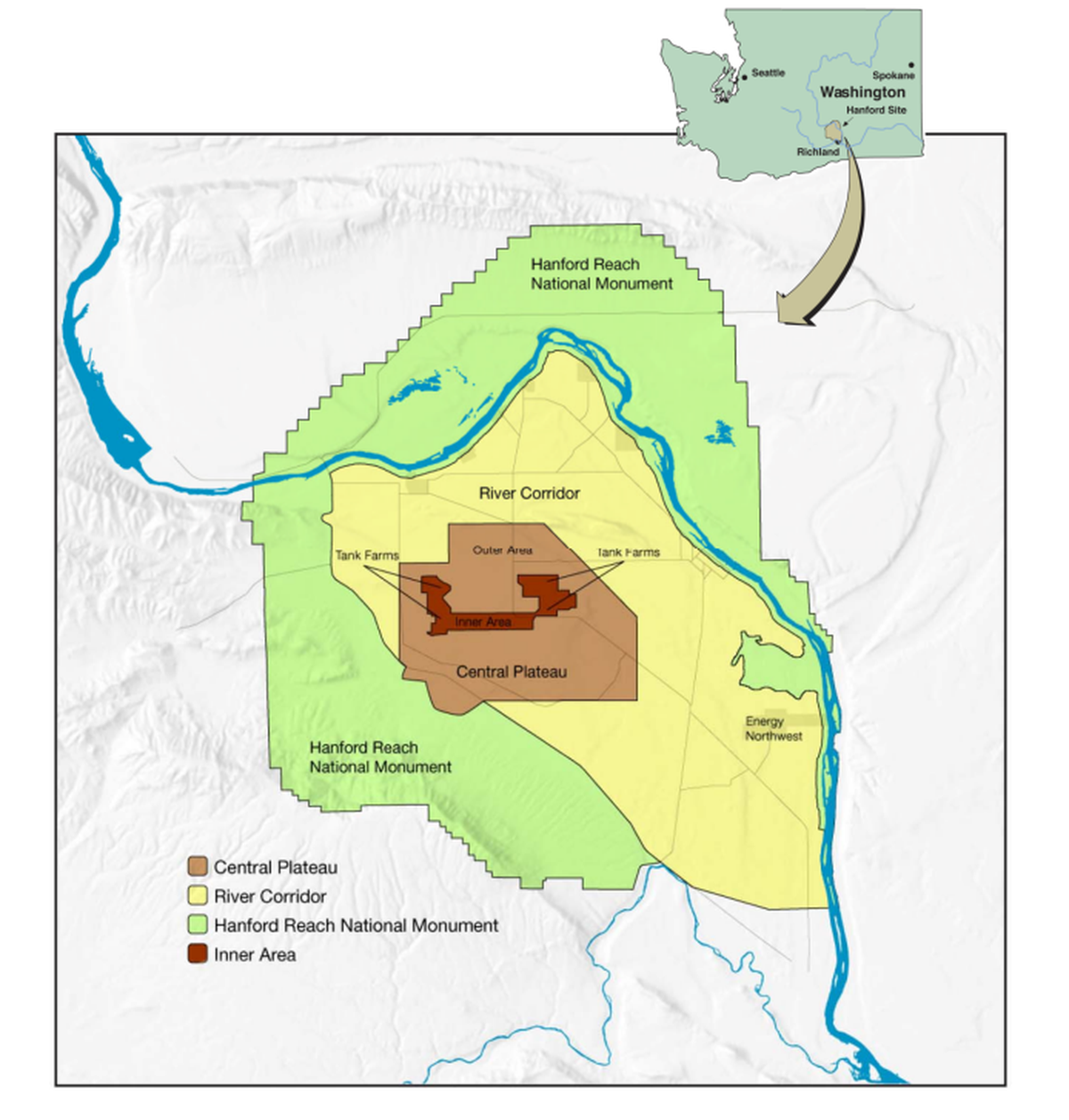
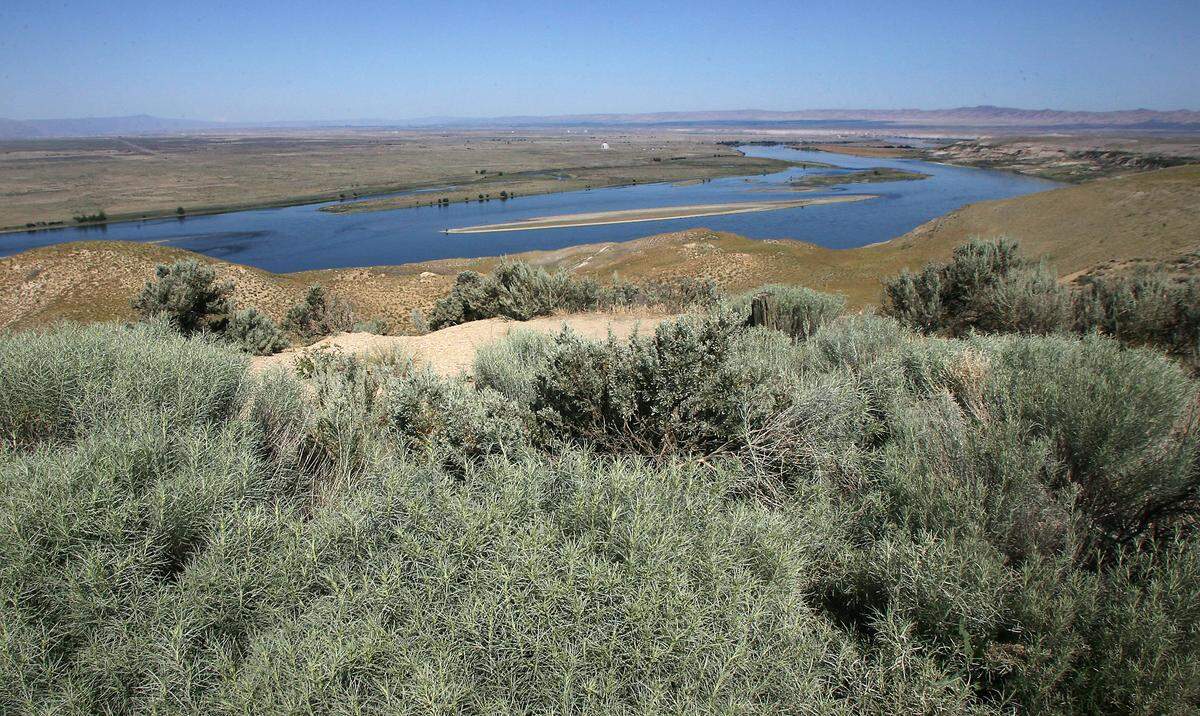
Much of what remains of the Columbia yellowcress is on the Hanford Reach of the Columbia River from near the northern edge of Richland to the Vernita Bridge.
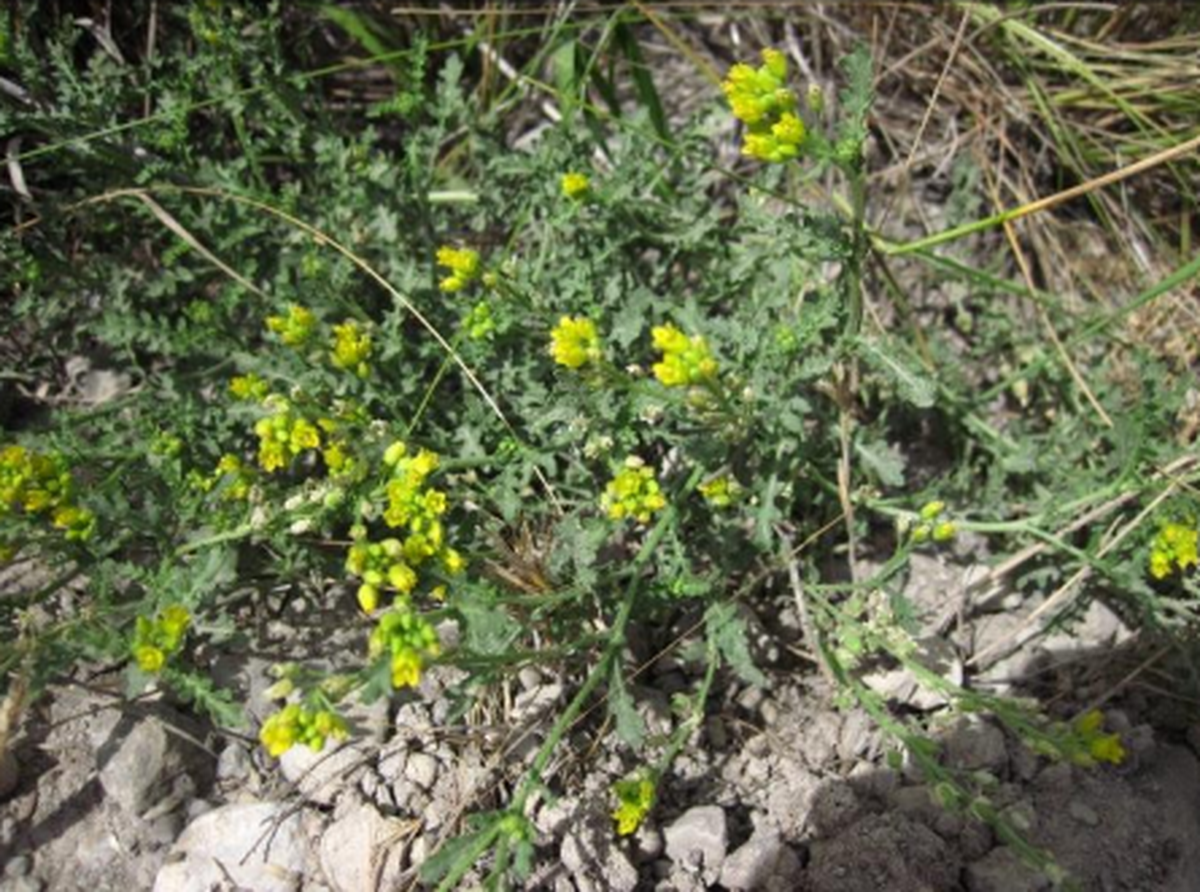
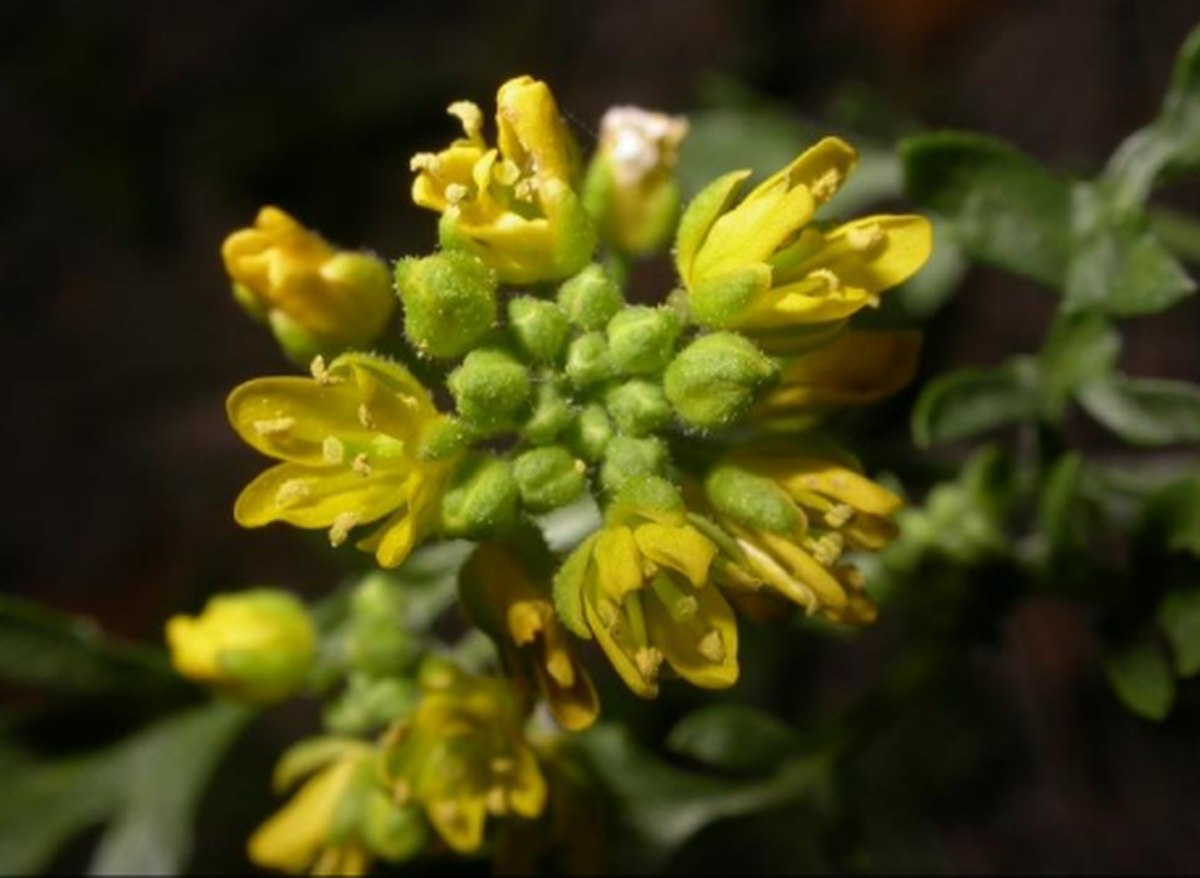
The plant, with stalks of four-petaled, small yellow flowers, has been endangered by the damming of the Columbia River, off-highway vehicles and trampling by cattle, says the Center for Biological Diversity.
So it is not surprising that it’s now found largely along the Hanford Reach, the last free-flowing, nontidal section of the Columbia River in the United States.
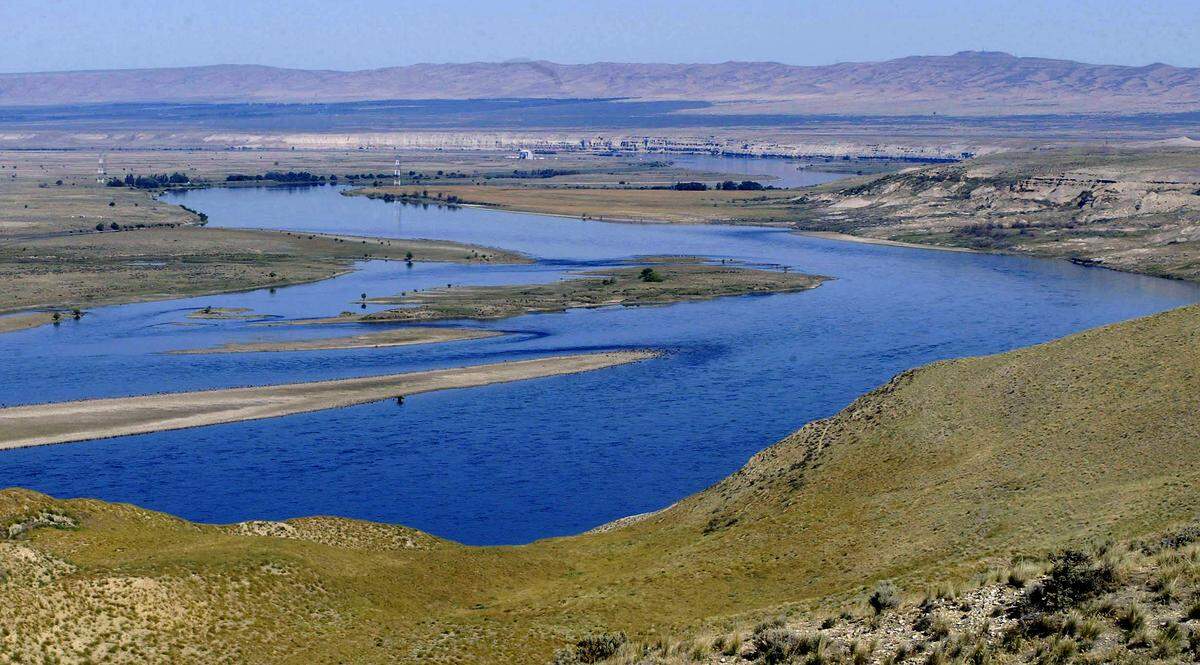
Land along the Hanford Reach is owned by the Department of Energy as part of the land that surrounded the production portion of the Hanford nuclear site and much of it is managed as part of the Hanford Reach National Monument, protecting it from off-road vehicles and cattle.
“These tough little plants have survived since mammoths roamed the Pacific Northwest, but habitat destruction by people has pushed them to the edge of extinction,” said Jeremiah Scanlan, a legal fellow at the Center for Biological Diversity.
The center has petitioned the U.S. Fish and Wildlife Service to protect the Columbia yellowcress under the Endangered Species Act.
“Without endangered Species Act protections, these vibrant yellow flowers could slip away forever,” Scanlan said.
They are native to Washington, Oregon and northern California where they have typically grown in a band at about the high-water mark in places with fluctuating water marks, such as riverbnaks, lakeshores and other wetland areas.
While the plant’s dwindling populations are most plentiful in the Hanford Reach, some of them grow in smaller, scattered areas along the Columbia River below the Bonneville Dam., according to the Center for Biological Diversity.
There are also some small populations of the plants in northern California extending into the mountains and high deserts of southern Oregon and along the lower Columbia River in Oregon, according to the center.
The plant’s distribution evolved in response to flooding cycles related to ice age lakes that once covered the Pacific Northwest, according to the center.
The plants, which are part of the mustard family, typically grow low to the ground and produce clusters of small, yellow flowers in the late spring and summer.
Their life cycle matched the natural water cycles of their habitats, growing as waters recede in the spring and dying back as water becomes less available in the fall and spring, according to the center.
Columbia yellowcress was previously considered for Endangered Species Act protection by the U.S. Fish and Wildlife Service. It found that protections were not warranted in 1993, but only because it said it lacked information to determine the species’ status.
Now the federal government “must take immediate action to ensure that this imperiled rare plant species will be protected today and for future generations,” the Center for Biological Diversity said in its petition.
This story was originally published August 13, 2025 at 5:00 AM with the headline "Rare Eastern WA flower has bloomed since the ice age. It’s close to extinction."