
Researchers find more long COVID than expected in WA Hispanics
AI-generated summary reviewed by our newsroom.
- Higher than expected long COVID rates found in survey of Latinos in WA state.
- Higher COVID infection, hospitalization and death rates reported among Hispanic residents.
- Of concern was the demographic within the Hispanic population reporting long COVID.
A significant percentage of 1,500 Latino patients in Washington state who had been diagnosed with COVID reported in a survey that they had experienced long COVID symptoms, according to a UW Medicine study.
Some 43% of those responding to the survey reported one or more symptoms for at least three months after having COVID, according to the study published in the Journal of General Internal Medicine.
The study was limited by a low participation rate of 19% of those sent surveys, according to the study.
“The community we surveyed were in frontline positions,” said Dr. Leo Morales, professor of medicine at the University of Washington School of Medicine. “There were high levels of exposure. They were living in group situations, so there was a lot of transmission to vulnerable people, and they had relatively little access to care.”
Hispanic residents of Washington state already had higher rates of COVID than other groups, including non-Hispanic white, Asian and Black populations in the south central region of the state, including Benton and Franklin counties, according to information from the published study and the Washington state Department of Health.
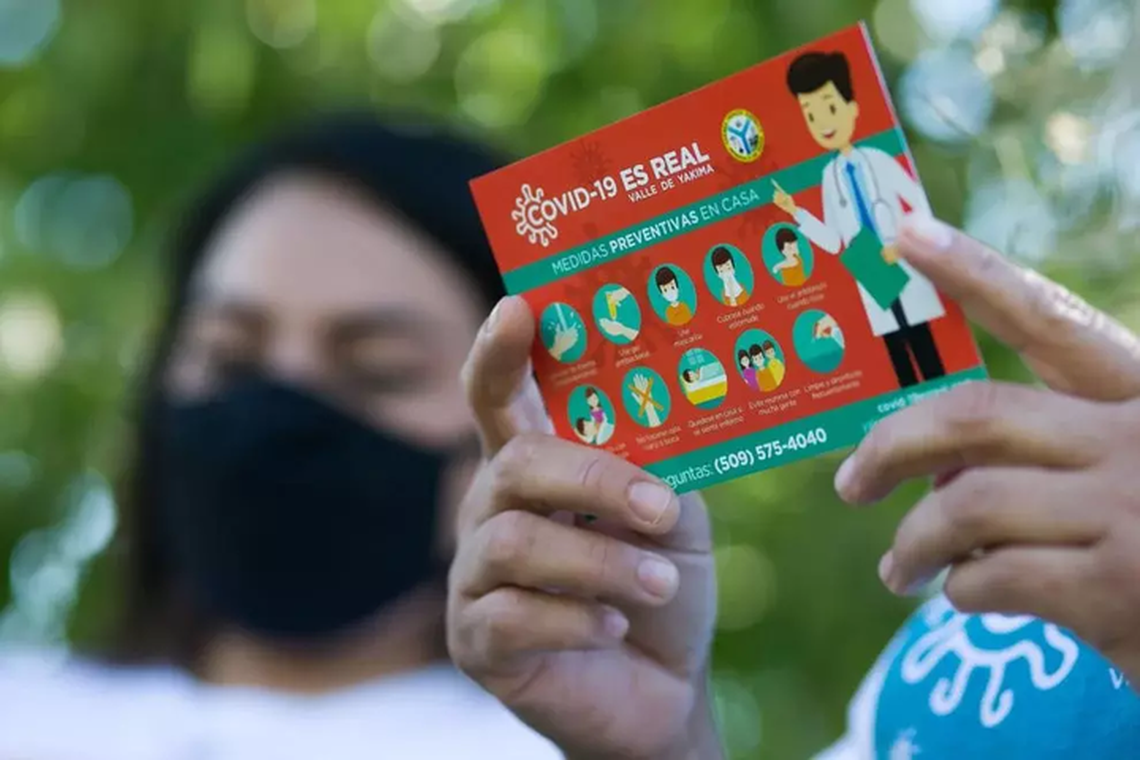
The Hispanic population also had higher rates of hospitalizations and deaths, according to the study.
More of those responding to the UW Medicine survey reported long COVID symptoms than researcher expected, Morales said.
Symptoms can include fatigue, muscle pain, loss of taste or smell, and difficulty with exercise.
“I think one of the alarming findings we discovered, we found in our state, is that those most affected are middle-aged people, and women more than men,” he said in a video describing the study.
Middle-aged Latino women play a central role in the well-being of their families and the community, he pointed out.
The failure to control the spread of COVID among Washington’s Latino population early in the pandemic likely contributed to high long COVID rates, the study said.
Factors included low vaccine rates, limited access to antivirals, no insurance, limited access to medical care, and cultural and language barriers, the study said.
In addition, Hispanic people may be employed in jobs that put them at high risk for COVID infection, may live in multigenerational households, may live in crowded conditions, may have high risk of chronic diseases such as diabetes, may mistrust the public health system and may hear misinformation, the study said.
UW Medicine researchers conducted the survey as it became clear that long COVID was a consequence of more serious infection and that there was little information about long COVID in Latino communities in Washington state or the nation, Morales said.
Yet, despite the survey results, many health care providers reported seeing far fewer cases of long COVID in their clinics, according to UW Medicine.
Morales attributes that to underdiagnosis and lack of awareness.
“We need more research,” he said. “Clearly, we need better treatment. We need better tests, and I think we need to continually worry about access to care.”
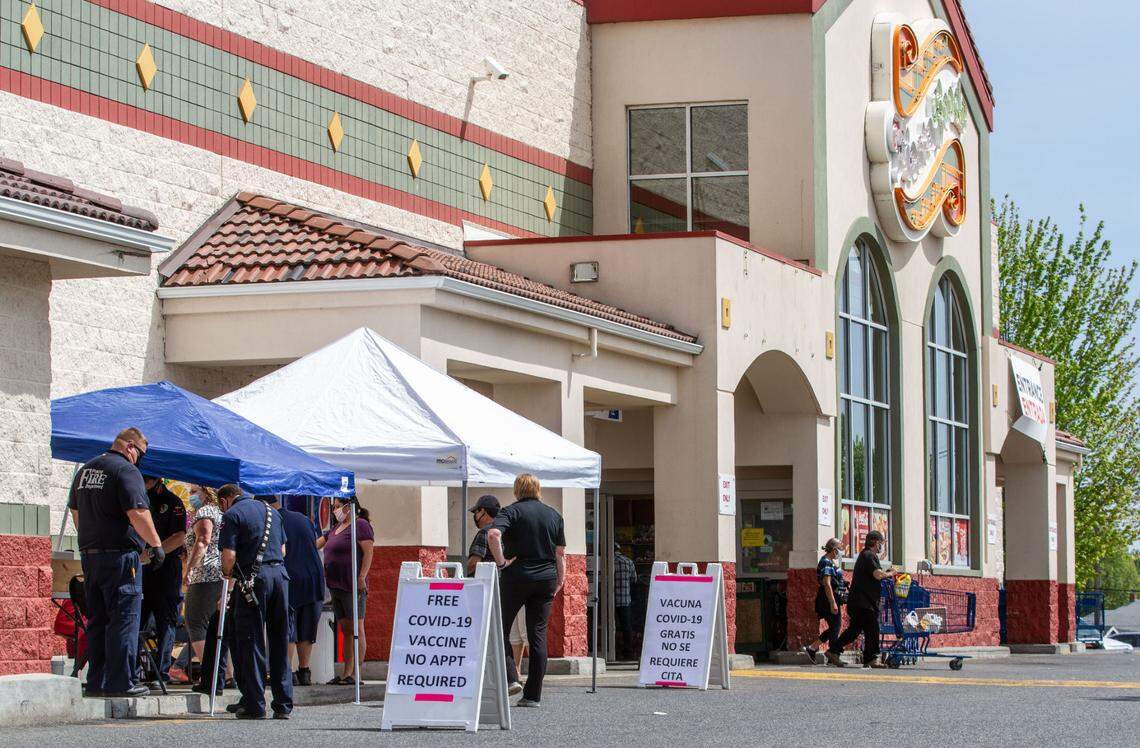
This story was originally published December 30, 2025 at 4:00 AM with the headline "Researchers find more long COVID than expected in WA Hispanics."