
WA residents spend less income on groceries than most of the US. Here’s how much
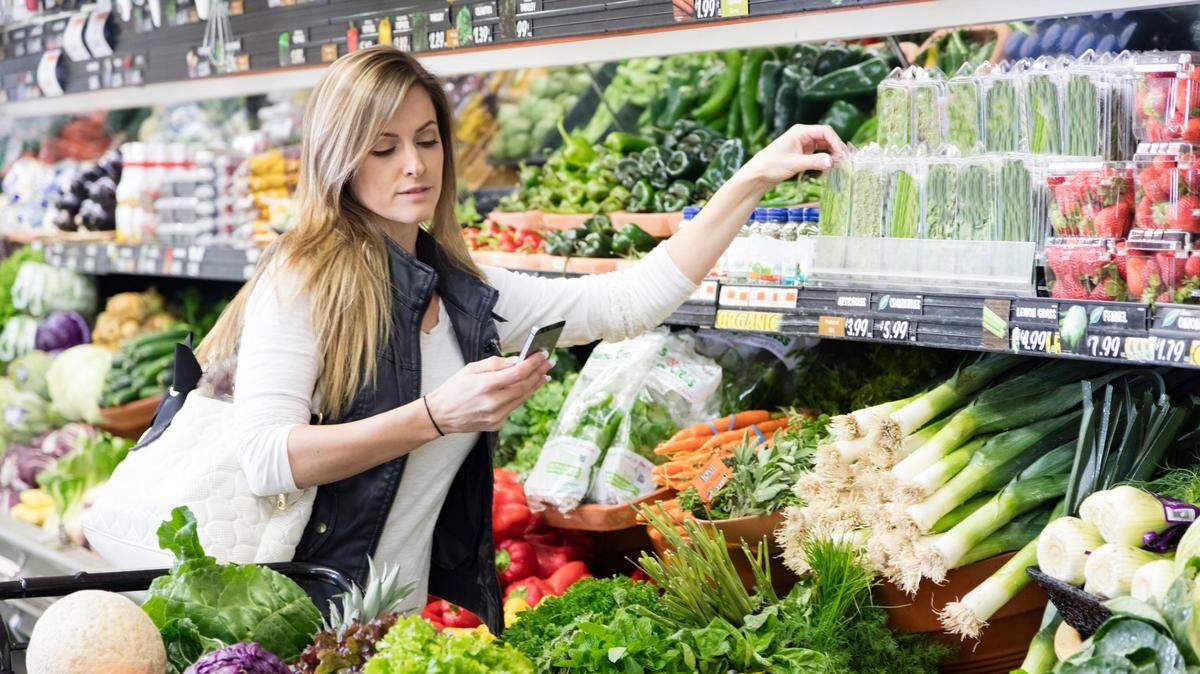
Going grocery shopping?
Where you live doesn’t just influence the minimum wage and cost of living. Your location can also affect the prices you pay at the grocery store — and how much of your income is spent there.
Personal finance website WalletHub recently analyzed the average price of 26 items in each state to determine how much of each state’s median income goes toward groceries.
Here’s how much Washington residents spend:
How much do Washington residents spend on groceries?
According to WalletHub, Washington state was among the 10 U.S. states where residents spend the lowest percentage of their income on groceries.
The Evergreen State was No. 42 out of 50 in terms of grocery store spending, the WalletHub study found.
Grocery costs account for just 1.66% of the median monthly household income in Washington state, according to WalletHub.
The main reason Washington ranked so low on the list wasn’t low food prices. In fact, the Evergreen State consistently had some of the higher-priced items at stores, according to WalletHub analysts.
Instead, Washington residents make a higher median annual income than those in several other states, which knocks down the percentage they spend on groceries, according to WalletHub analyst Chip Lupo.
“In the case of Washington, it was primarily income-driven,” Lupo told McClatchy Media.
The median household income in Washington state is around $109,000 per year, compared to a national median household income of $81,000, Lupo said.
“Now Washington has a pretty high median annual household income when adjusted for inflation … which is good for Washington residents, because the cost of groceries, for the most part, is pretty high in Washington,” Lupo said.
The high average annual income in Washington is largely driven by the tech sector and other profitable industries based on the west side of the state, though the state’s high minimum wage — $17.13 per hour as of 2026 — doesn’t hurt either.
How does Washington compare to Oregon? Idaho?
According to WalletHub, other Pacific Northwest states ranked closer to the middle in terms of spending on groceries.
Idaho, which has a median household income of around $74,000, ranked No. 19 on WalletHub, with residents spending an estimated 2.05% of their median household income on groceries.
Like Washington, Oregon has a relatively high median household income, about $95,000. The Evergreen State’s southern neighbor ranked No. 32, with residents spending an estimated 1.94% of their median household income on groceries, according to WalletHub.
Which US states spend the most income on groceries?
According to the WalletHub ranking, these were the 10 U.S. states where people spend the highest percentage of their income on groceries:
- 1. Mississippi: 2.6% of median monthly household income
- 2. West Virginia: 2.54%
- 3. Arkansas: 2.44%
- 4. Louisiana: 2.38%
- 5. Kentucky: 2.37%
- 6. Alabama: 2.33%
- 7. New Mexico: 2.3%
- 8. Oklahoma: 2.22%
- 9. South Carolina: 2.21%
- 10. Tennessee: 2.19%
Which states spend the least on groceries?
According to WalletHub, the 10 U.S. states spending the smallest income shares on groceries were:
- 1. Massachusetts: 1.51% of median monthly household income
- 2. New Jersey: 1.51%
- 3. Maryland: 1.55%
- 4. New Hampshire: 1.56%
- 5. Utah: 1.58%
- 6. Connecticut: 1.61%
- 7. Colorado: 1.61%
- 8. Virginia: 1.63%
- 9. Washington: 1.66%
- 10. California: 1.66%
Is coffee more expensive in Washington state?
Without its high median household income, Washington would have ranked much higher on WalletHub’s list, considering the high average costs of most items analyzed by WalletHub.
“Washington state is pretty high or at least below average in pretty much every category,” Lupo said, meaning Washingtonians are often paying more for the same items.
Washington state had among the highest average prices for several of the 26 items on WalletHub’s shopping list, including:
- Coffee: Third most expensive in the nation
- Chicken: Fifth most expensive
- Bread: Fifth most expensive
- Eggs: Sixth most expensive
- Milk: Ninth most expensive
In Washington state, prices for produce and frozen and canned goods were often near average or on the high end, according to Lupo.
Only two items were considerably cheaper in the Evergreen State compared to other states across the country: potatoes and canned tuna. Washington had the second-cheapest prices in the nation for both staples.
How to save money on groceries in Washington state
Lupo offered some tips for keeping grocery costs down:
- Have a grocery budget
- Never go grocery shopping on a whim or when hungry to prevent impulse buys
- Coupon clip and look for discounts
- Join loyalty programs for more discounts in the long run
- Buy in bulk when you’re able to
- Buy store brand items
“The store brand items are just as good, or in a lot of the cases, even better,” Lupo said. “In some cases, the store brand items are manufactured by some of the big labels, so you’ll save significantly by doing that.”