
Seattle-born Jim Whittaker, first American to summit Mount Everest, dies at 97
The Pacific Northwest’s own Jim Whittaker passed away peacefully at his home in Port Townsend on Tuesday. Elliott Almond from Cascadia Daily News reported the news in an obituary published Wednesday morning. Whittaker was 97.
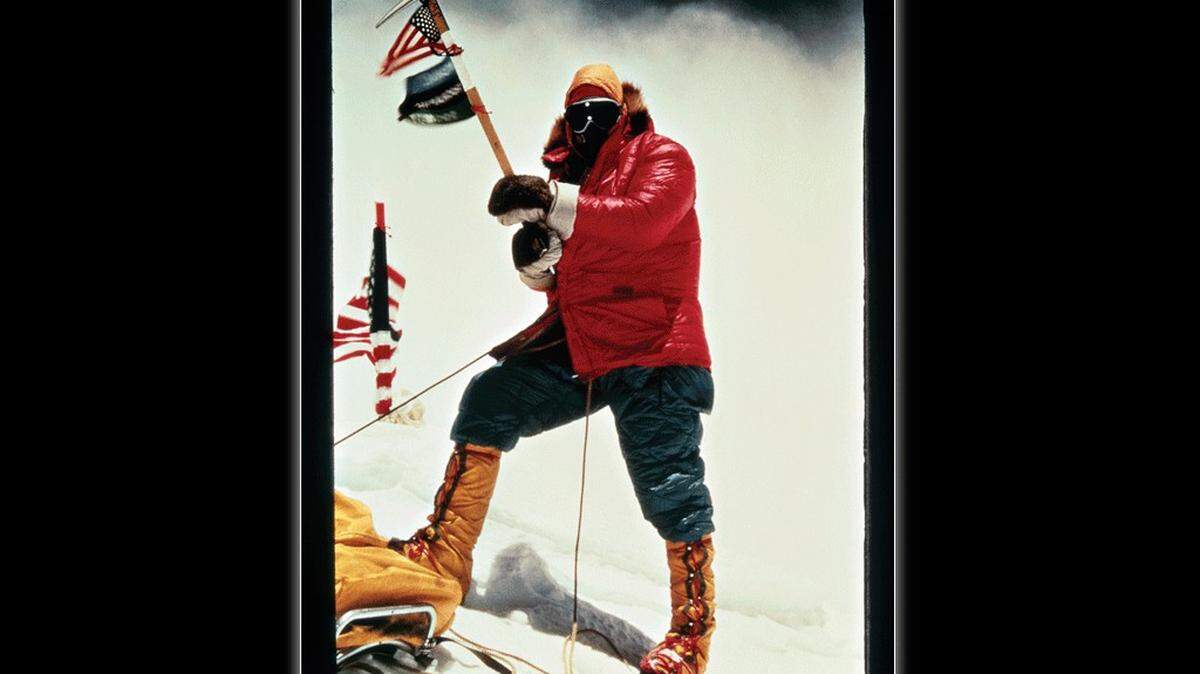
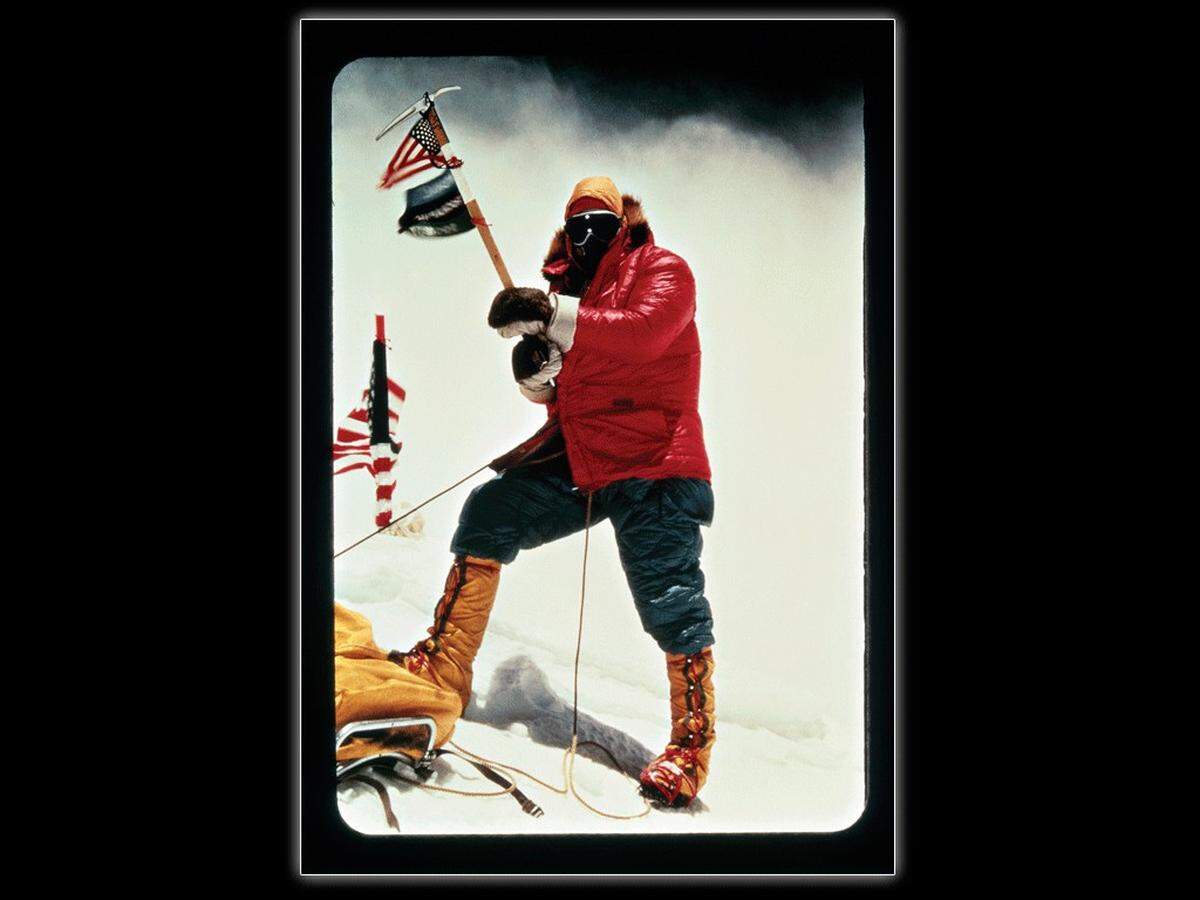
Jim Whittaker was best known for his May 1, 1963, summit of Mount Everest with Sherpa Nawang Gombu. He was the first American to summit the tallest mountain on Earth, and the triumph instantly skyrocketed him to the upper echelons of fame and notoriety in an era of social upheaval, political tension, the Cold War, the threat of nuclear weapons, and the fight for human rights.
Whittaker became famous at a time, perhaps, when America needed good people to become heroes the most.
Jim’s friends
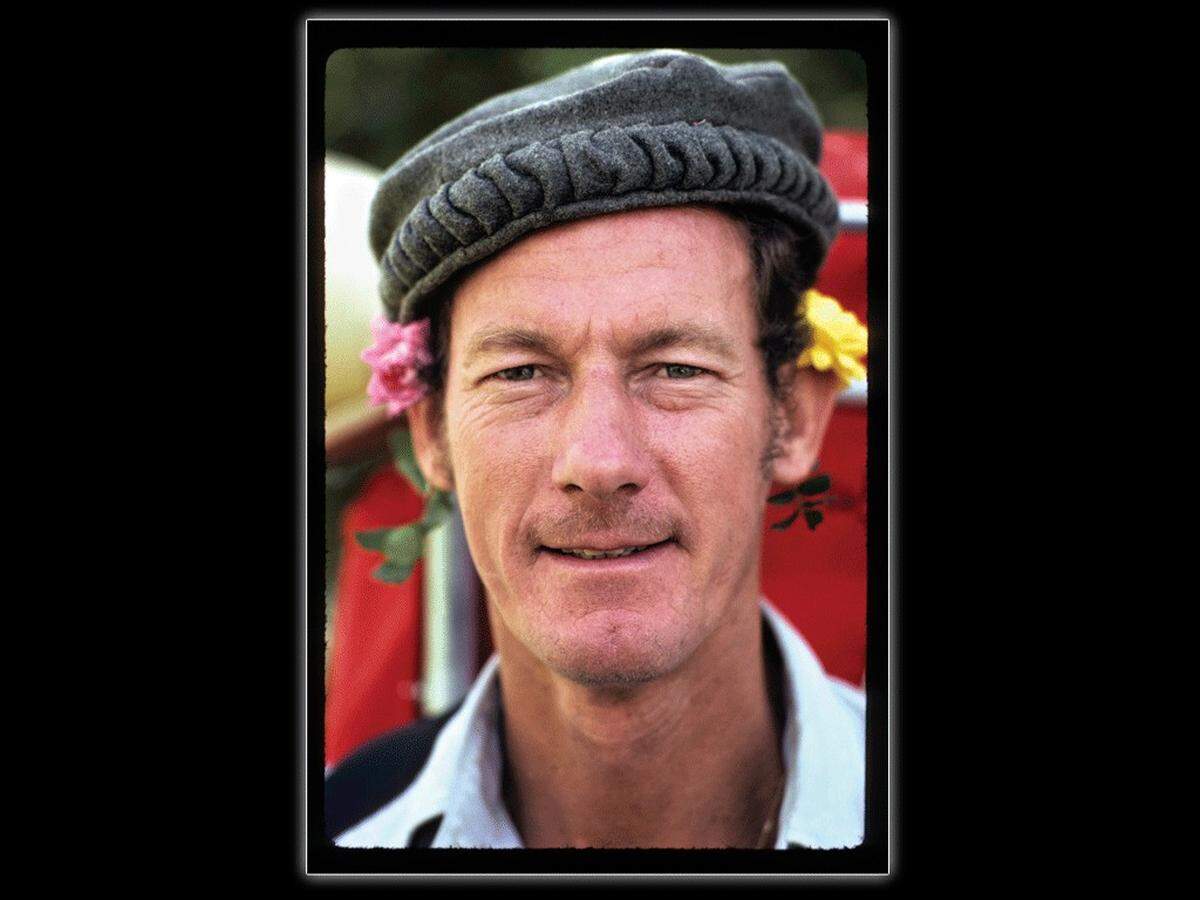
In Almond’s tribute to Whittaker in the Cascade Daily News, Whittaker was quoted as saying that he did not wish to conquer Mount Everest, but that he wanted to become its friend. This type of perspective purely typifies the outlook Whittaker seemed to have not only on mountains but on cultures and people throughout the world.
“Whether it was the first American ascent of Everest, the K2 expedition, or summiting Mount Kennedy, he had hidden agendas,” Tom Vogl, CEO of The Mountaineers, a Northwest nonprofit dedicated to education, outreach, and conservation, which Whittaker was a member of for 82 years, told The News Tribune.
“I think the reason why he was so successful at those expeditions is that he was able to bring people together and rally them around a shared goal, help them through conflicts, and keep people focused on being successful and safe … and coming back as friends.”
In 1990, to commemorate the 20th anniversary of Earth Day, Whittaker led what he called the International Peace Climb to the top of Mount Everest with 20 mountaineers from the U.S., Russia and China.
America was just emerging from the Cold War, and Whittaker had his sights set on unity. “In 1990, we proved that tremendous heights can be reached by working together in cooperation and friendship toward a common goal,” Whittaker wrote later for The Mountaineers website.
On the expedition, Whittaker led 20 climbers to the summit of Mount Everest, but had no plans to summit himself. He was focused on getting everyone else up and organizing the haul of two tons of trash off the mountain while he was at it.
“I think that’s so emblematic of Jim’s values,” Vogl said. “He cared so deeply about these places in the natural world that are so beautiful and inspiring. And he would bring people together to climb together as a group, and find a deeper meaning. And then he’d find another meaning behind that.”
Born in Seattle, surrounded by mountains
Jim Whittaker and his twin brother, Lou, were born in Seattle on Feb. 10, 1929. Later that year, the stock market would crash, and spark the beginning of the Great Depression. Whittaker’s father, Charles Whittaker, worked as a salesman and managed to build a family home in West Seattle’s Arbor Heights neighborhood for $350. It had a view of the Olympic Mountains.
The Whittaker family loved a life outside, and spent much of the 1930s fishing in the Puget Sound, camping, and exploring the Olympic and Cascade Mountains. In their teens, they joined the Boy Scouts and the Mountaineers.
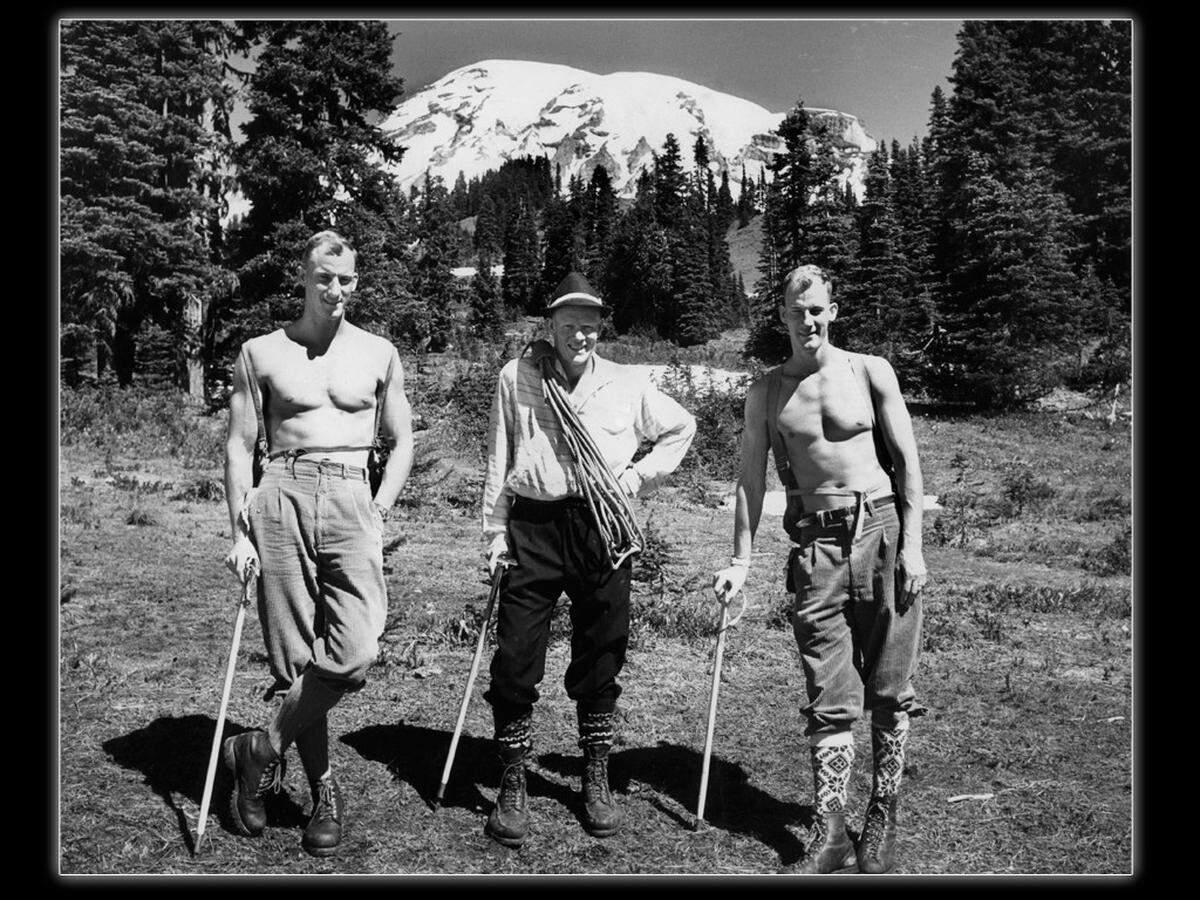
“Back then, there was hardly a better place to be a Boy Scout than Seattle,” Whittaker wrote in his 1999 autobiography, A Life on the Edge. “Out the front door, we had the Olympic Mountains and out the back door, the Cascades.”
The twins fell in love with climbing and could hardly be kept out of the mountains. They learned how from the Mountaineers, and its legendary members.
“It was a really cool time in our history, because our climbing program was not that old at that point,” Vogl said. “It was founded in the mid-thirties.”
The Whittakers joined the Mountaineers alongside figures like Northwest mountaineering legend Wolf Bauer and the founders of REI, Lloyd and Mary Anderson.
“That’s who Jim and Lou learned how to climb from,” Vogl said. “In a lot of ways, the twins were this bridge between that generation of climbers who were introducing people to the mountains and the one helping normalize climbing in the Northwest.”
In 1945, at 16 years old, the twins first summited Mount Rainier together with The Mountaineers via the Emmons Glacier. They both went on to summit Rainier hundreds of times.
While attending Seattle University, Whittaker worked as a professional guide on Rainier, joined the National Ski Patrol, and was a member of the Northwest Mountain Rescue and Safety Council.
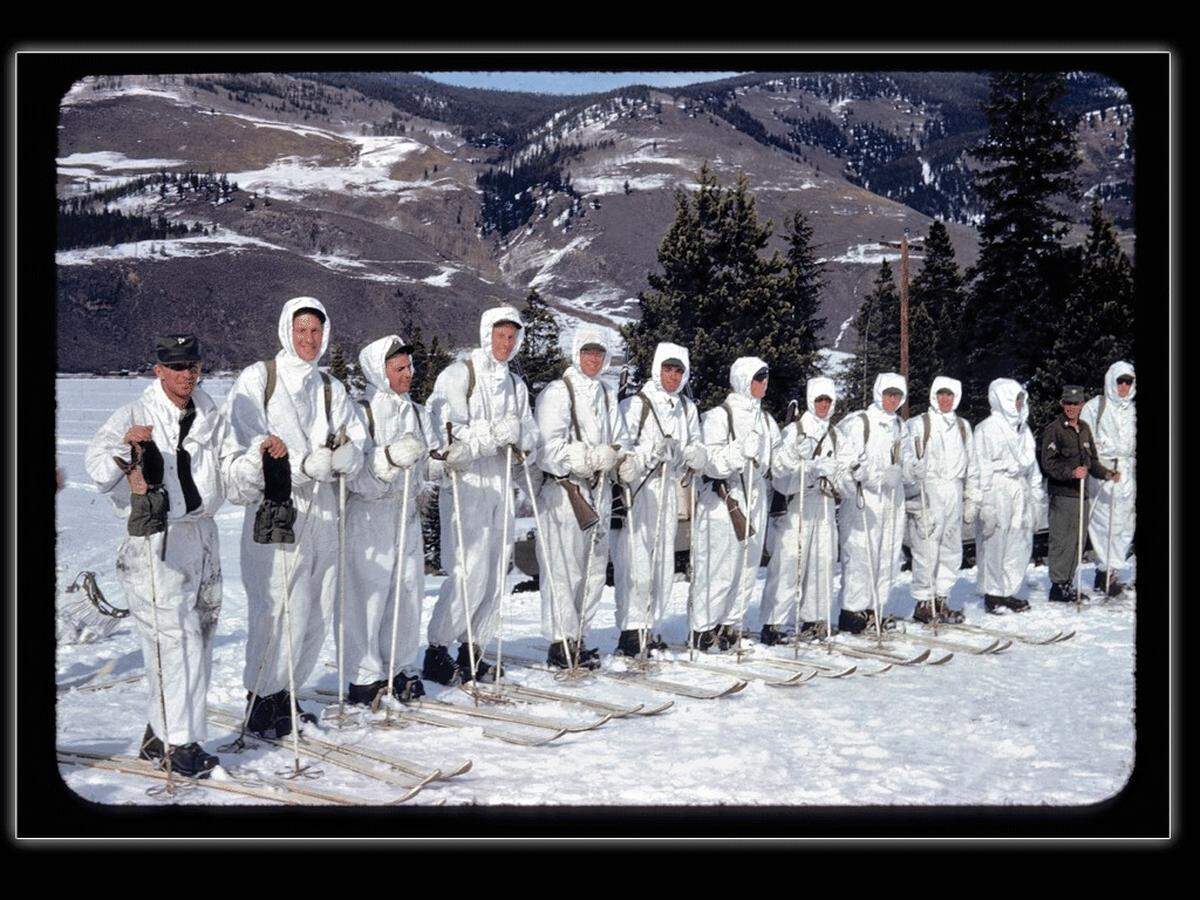
In 1952, Whittaker graduated from Seattle University and, along with his brother, was promptly drafted. In lieu of Korea, the military sent them to Colorado, where they taught skiing and mountaineering to Special Forces at the Mountain and Cold Weather Training Command at Camp Hale.
Climbing as a business
Whittaker was honorably discharged in 1954 and returned to Seattle, where he reunited with Lloyd and Mary Anderson, his Mountaineers mentors. They had started a climbing gear co-op on 6th and Pike, across from The Mountaineers. At that time, it was simply called the Co-Op. At 600 members, they needed help.
Whittaker became the co-op’s first full-time employee, earning $400 a month. Six months later, a second full-time employee was hired, and the co-op opened a ski shop. Business continued to rise, and the company moved to a larger shop and changed its name to Recreational Equipment, Inc.
Fifteen years later, Whittaker became REI’s second CEO. During his tenure as CEO, from 1971 to 1979, Whittaker grew REI from 250,000 members to over 900,000. He worked for REI for 24 years total.
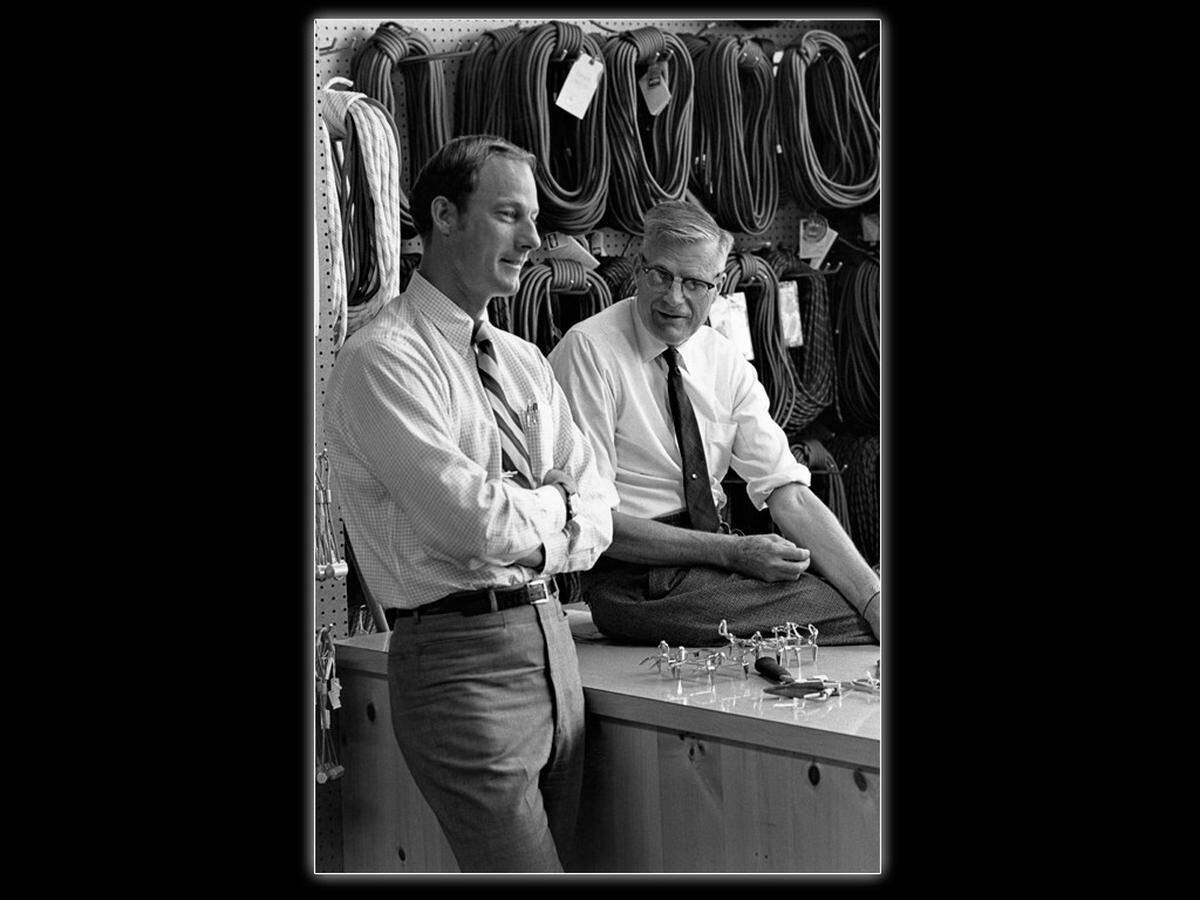
In a statement sent to The News Tribune, REI Co-Op wrote: “For REI, Jim’s legacy is at our very core. Hired in 1955 by REI Co-op co-founder Lloyd Anderson as our first full-time paid employee, Jim was an early leader and later served as the second CEO from 1971 to 1979. During his tenure, he helped shape a co-op rooted in stewardship, humility, and a belief that time outside should be shared widely and protected fiercely.
The statement concluded by saying: “We owe Jim our deepest gratitude for his leadership and are inspired by his example. It is now our charge to carry his spirit forward.
A life in the mountains
Undoubtedly, Whittaker’s 1963 Everest ascent will forever be remembered as his crowning achievement. And perhaps it was. But multiple interviews throughout his lifetime seem to point towards feelings of ambivalence toward the achievement.
In the Cascadia Daily obituary, Almond recollects Whittaker not feeling special on top of Mount Everest. And that Whittaker wrote about just wanting to leave.
“I felt only, as I said later, like a frail human being,” Whittaker wrote about being the first American on top of Mount Everest. “The mountain is so huge and powerful, and the climber so puny, exhausted, and powerless. The mountain is forever; Gombu and I, meanwhile, were dying every second we lingered.”
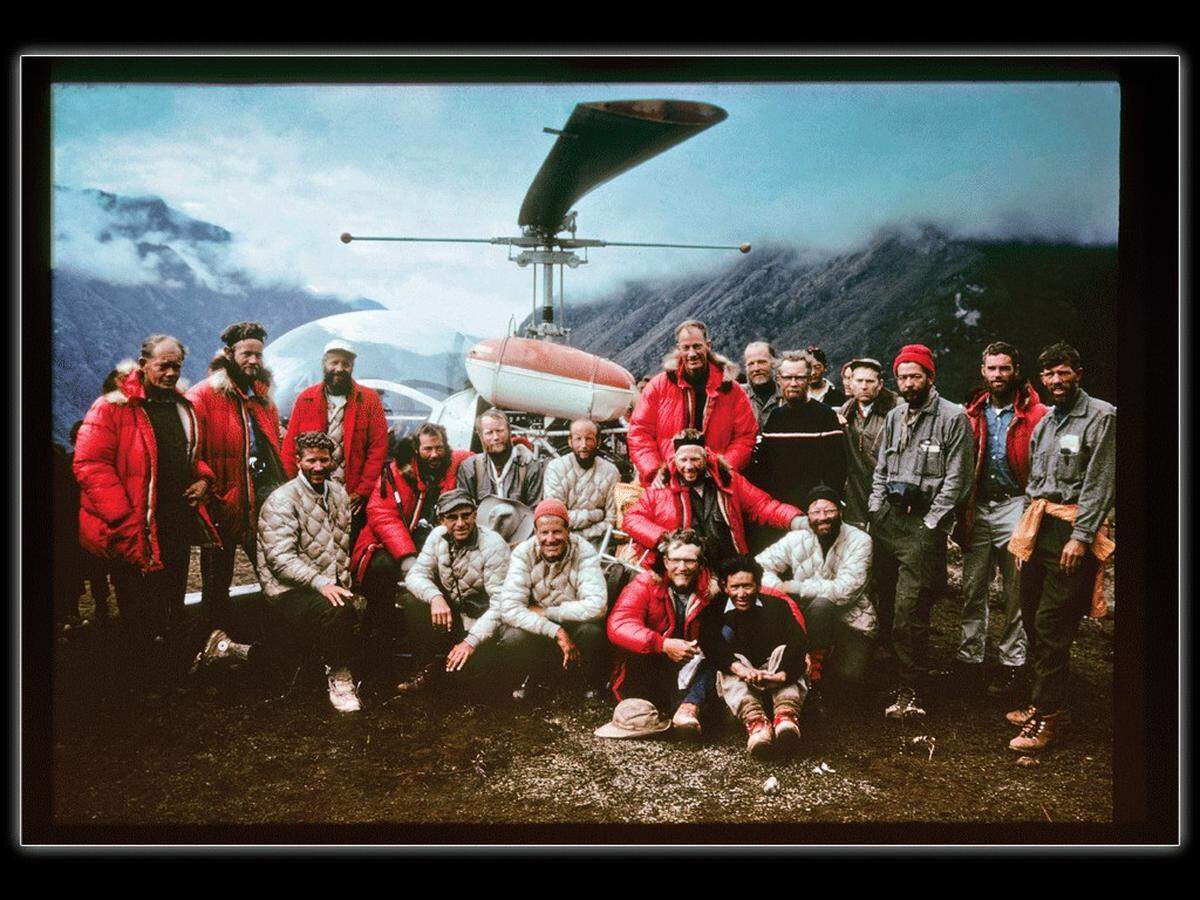
The buzz and bustle surrounding Whittaker’s successful summit of Everest reached a crescendo of epic proportions. Upon returning, President John F. Kennedy gave a speech, and Whittaker made the cover of multiple magazines. When he returned to Seattle, there was a parade in his honor. President Kennedy then invited Whittaker to the White House, where he presented him and his team with Hubbard Medals.
Less than four months later, President Kennedy was assassinated.
After the Canadian government named an unclimbed 13,095-foot peak Mount Kennedy in honor of the slain American president, the National Geographic Society pegged Whittaker to lead the first expedition to the top.
He brought along Kennedy’s brother, Sen. Bobby Kennedy, and stood back as Bobby, himself, summited the peak first.
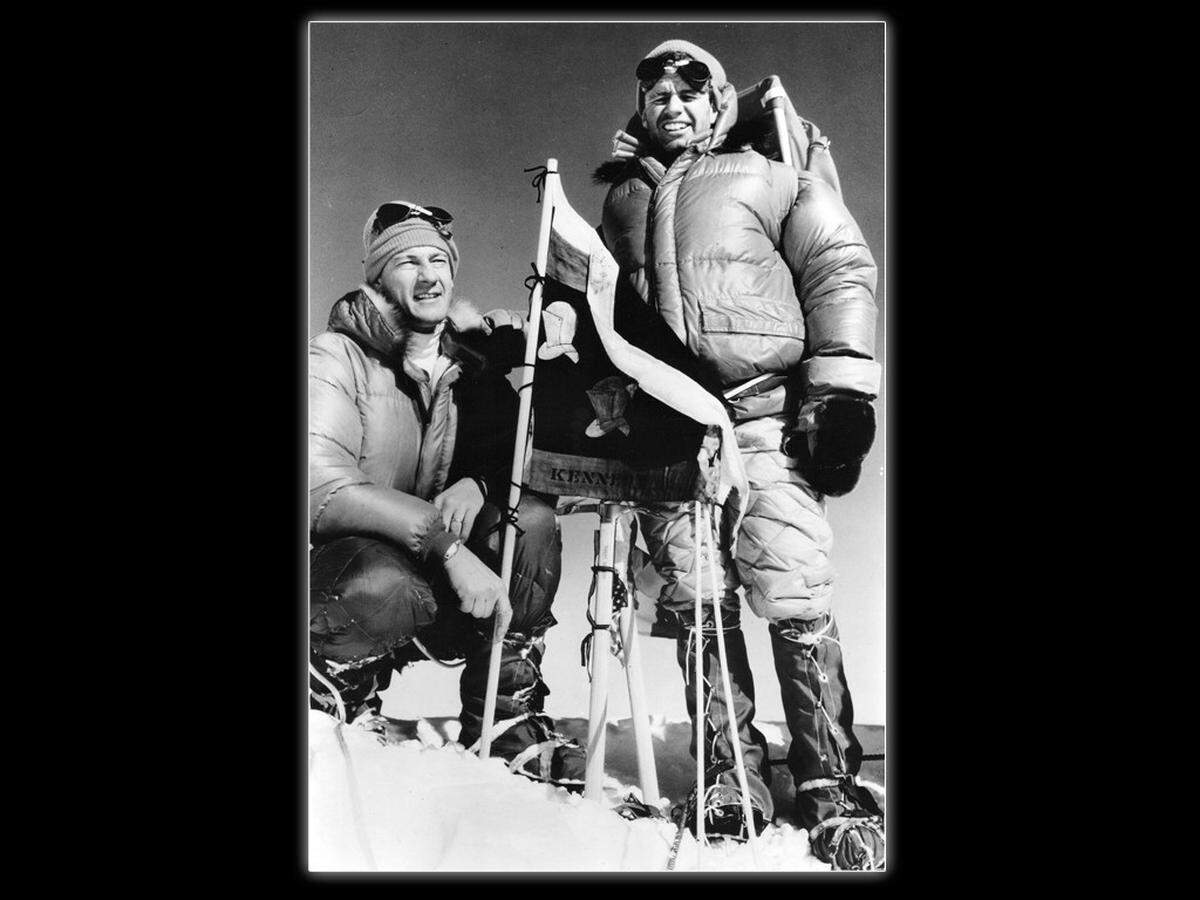
As Whittaker watched Bobby walk to the peak and plant a flag bearing the Kennedy crest, he wrote in his autobiography that: “Tears rolled down my cheeks and froze in my parka.”
Whittaker and Bobby Kennedy became fast friends, as Whittaker does after roping up with people, and regularly vacationed and skied together until Bobby’s assassination on the campaign trail in 1968. Whittaker was working as Bobby’s state campaign manager at the time, and was at Bobby’s bedside at Good Samaritan Hospital in Los Angeles when the senator passed away.
Two days later, Whittaker was a pallbearer at Bobby’s funeral.
Whittaker always kept a close relationship with the Kennedys, often taking family members on outdoor expeditions and events.
In 1975, Whittaker led an attempt to put the first American atop the world’s second-highest peak, 28,250-foot K2, which is considered considerably more difficult to summit than Everest. Their first attempt failed, but three years later, Whittaker arranged another attempt, which successfully put four Americans on top.
The cusp of a generation
Whittaker had three sons, Carl, Scott and Bob, with his first wife, Blanche Patterson, whom he met at Mount Rainier’s Paradise Inn, where she worked the soda fountain. Whittaker and Patterson divorced in 1971.
In 1974, Whittaker married Dianne Roberts, who worked for Parks Canada. Together, they had two sons, Joss and Leif, and lived out the rest of their lives together.
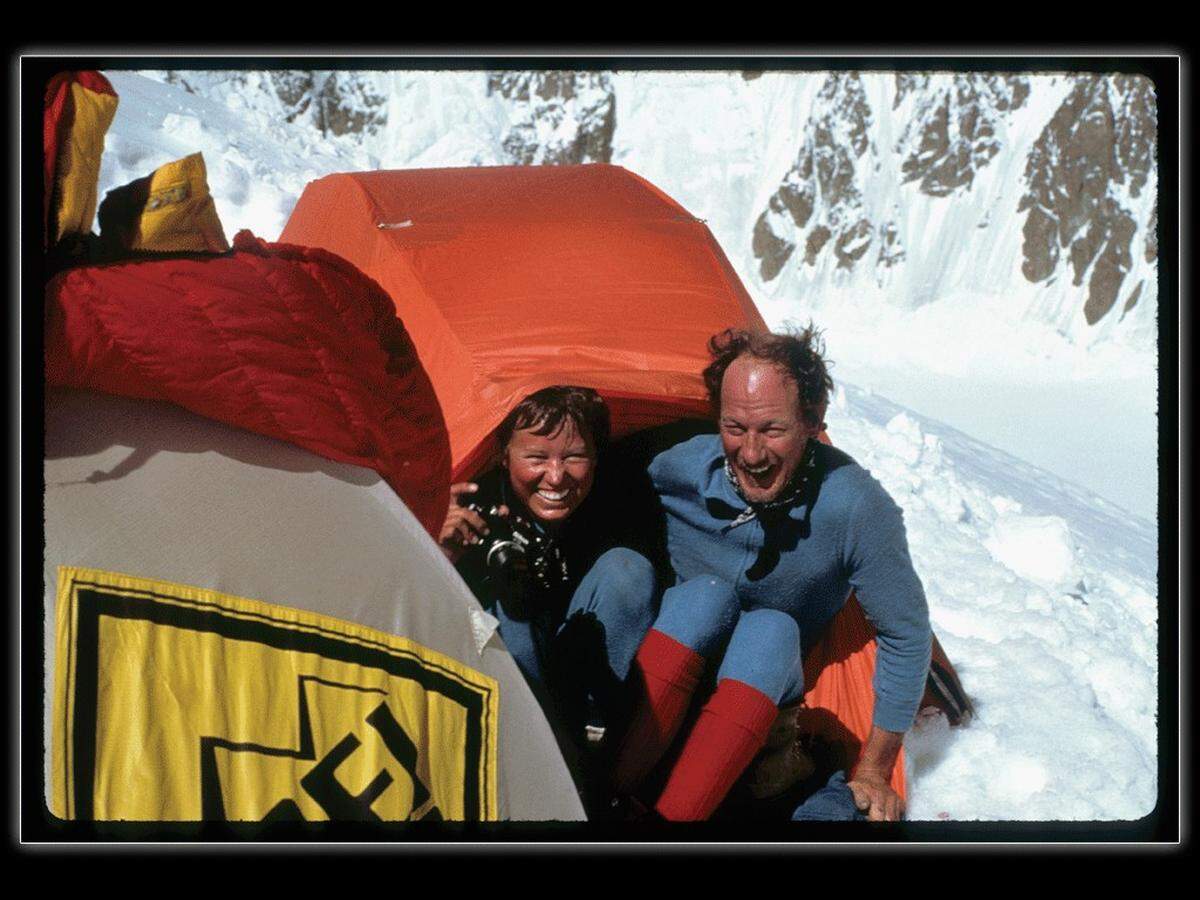
“Jim had a very magnetic personality,” Vogl told the News Tribune. “When he walked into a room, people would gravitate to him. And not just because of the fame, but he just was this warm-hearted, funny, and sincere type of person that people wanted to be around. He drew people in. I think it was one of the reasons why he was so successful in these big expeditions that he led. He was able to bring people together and rally them around a shared goal, help them through conflicts, keep people focused on being successful and safe, and coming back as friends.”
Later in life, Whittaker sailed with Dianne and their two sons around the Pacific for four years before returning to the Whittaker family log cabin in Port Townsend.
Jim Whittaker was born at the tail end of the greatest generation, right where it intersects with the silent generation. To call him the crown jewel of that cusp would be a disservice, only because Whittaker did not seem to look for those accolades.
He was a man of purpose who looked for more purpose beyond the original purpose of each adventure. He brought people back from the mountains and honored them by continuing to enrich and live his own full life.
A long life can be elusive for those who live their lives in the mountains. No matter how technically safe and skilled a person is, risk is inherent in every move a climber makes in extreme environments.
Whittaker wrote in his memoir, ‘A Life on the Edge:’ “[Risk] is a prerequisite. If you stick your neck out, whether it’s climbing mountains or speaking up for something you believe in, your odds of winning are at least 50-50.”
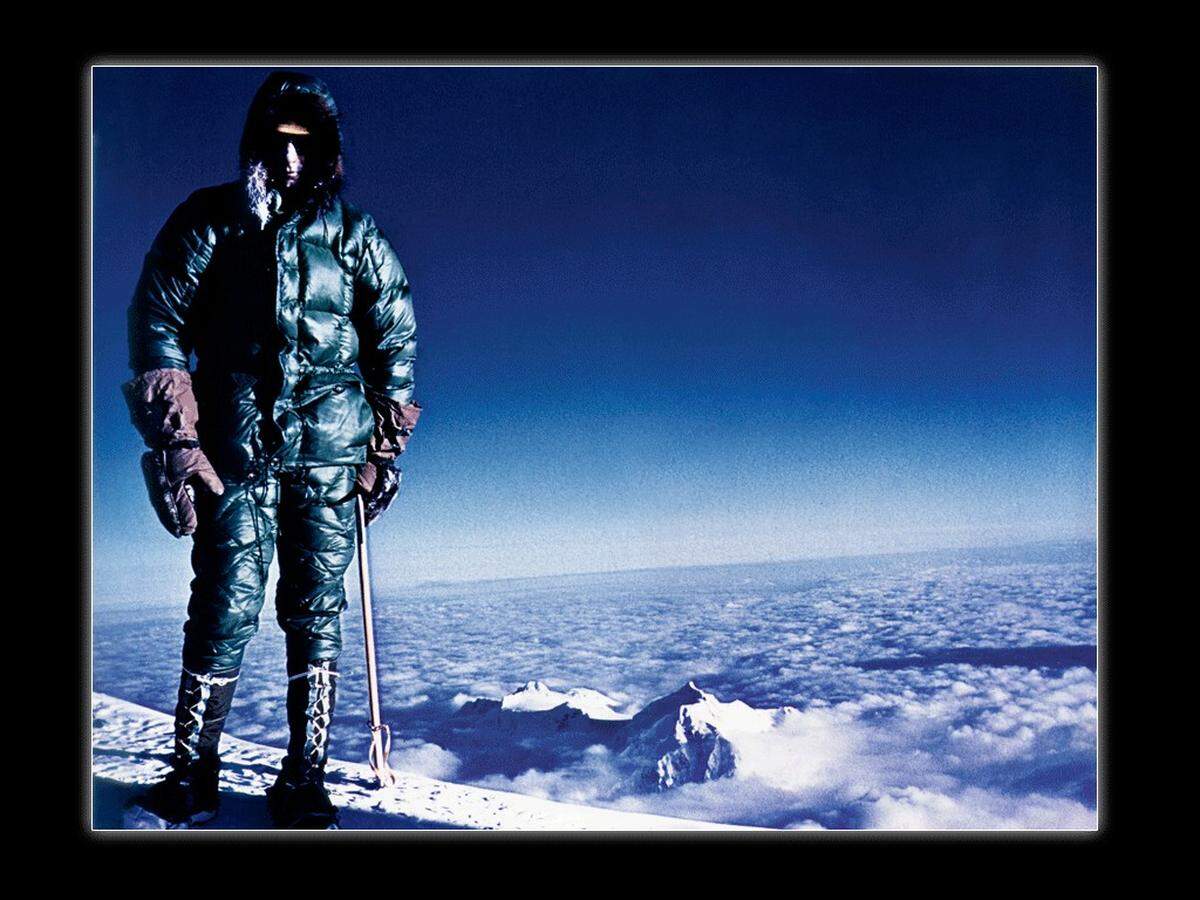
Whittaker lived 97 years and died peacefully at home on Tuesday with his family in Port Townsend. His son Leif told Cascadia Daily News that he was pleased to see Whittaker “pass gently at the finish line of a remarkable life.”
“I think Jim lived his life like that,” Vogl told me. “Adventure with purpose. That’s just who he was, and how he lived his life. His accomplishments were really bigger than himself. He inspired people to care more about these places we love, and was able to break down barriers between cultures and bring people together.”
He did it all.
This story was originally published April 10, 2026 at 9:56 AM.
.jpg)