
3 WA residents exposed to hantavirus after cruise ship outbreak. What to know
After a hantavirus outbreak killed three passengers aboard a cruise ship, Washington state residents are wondering if they’re at risk of the deadly rodent-spread disease.
At least three Washington state residents have been exposed to the Andes strain of hantavirus, according to public health officials.
Two King County residents were “sitting on an airplane near an ill cruise ship passenger” who later tested positive for HPS, Public Health — Seattle & King County said in a Tuesday, May 12, news release.
The King County residents, who have since returned home, are “both asymptomatic and are monitoring for symptoms at home,” the Seattle health agency said.
A third King County resident was a passenger aboard the MV Hondius cruise ship when hantavirus broke out, according to the release.
“Currently, no one in King County has symptoms of hantavirus and there are no cases of the virus in King County,” Public Health – Seattle & King County said in the release. “The risk to the public remains low.”
Here’s what to know:
What is hantavirus?
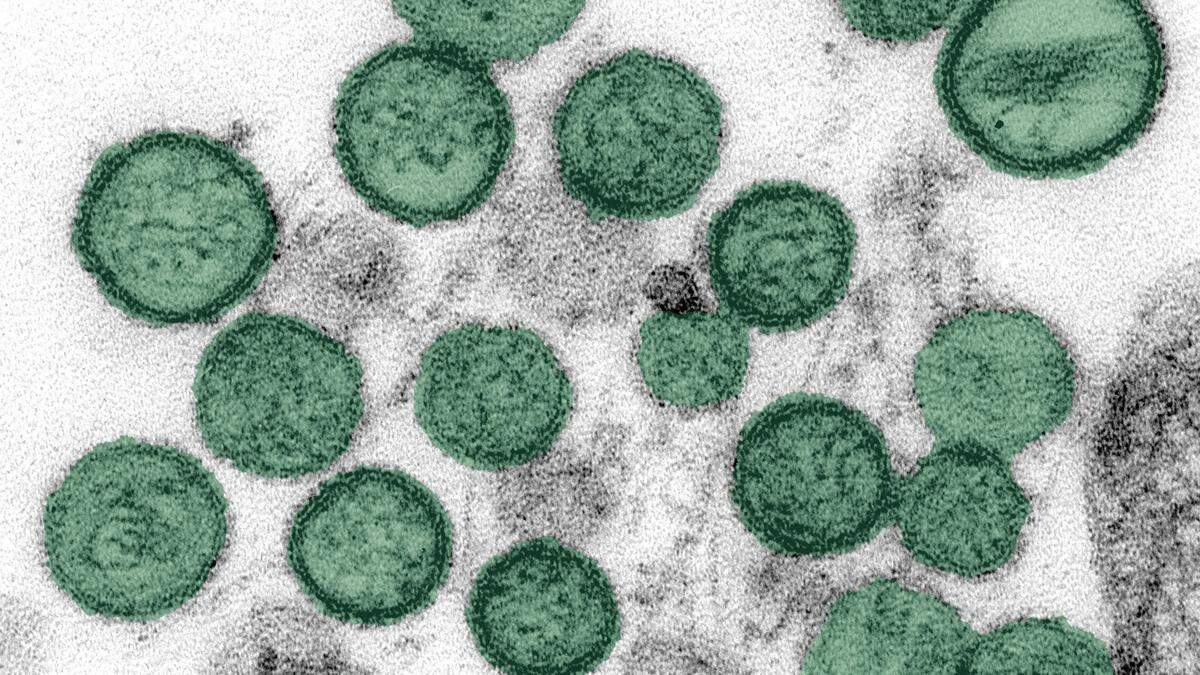
Hantavirus is “a rare but severe disease that can be deadly,” the World Health Organization said in a May 4 news release.
There are two syndromes related to hantavirus infections, according to the Centers for Disease Control and Prevention.
The Sin Nombre virus is the “predominant cause” of hantavirus pulmonary syndrome in North America, while the Andes virus is “responsible for most cases in South America,” the World Health Organization said.
“The Andes virus is the only known type of hantavirus that can spread from person to person,” Public Health — Seattle & King County said.
However, this type of transmission is rare.
“Studies show that spread between people typically requires prolonged, close contact with a person sick with the Andes virus,” the King County health agency said.
How is hantavirus spread?
Hantavirus infections “primarily spread from contact with wild rodents, especially when people are exposed to their urine, droppings and saliva,” Public Health — Seattle & King County said.
You can also be exposed to the virus if you’re bitten or scratched by a rodent, the Centers for Disease Control and Prevention said.
“A person may be exposed to hantavirus by breathing contaminated dust after disturbing or cleaning rodent droppings or nests, or by living or working in rodent-infested settings,” the Washington State Department of Health said.

How many people died in cruise ship outbreak? Got sick?
Hantavirus broke out aboard the MV Hondius in April as the cruise ship began its course from Argentina to Cape Cod.
So far, a German person and a married couple from the Netherlands have died from hantavirus pulmonary syndrome.
As of Tuesday, a total of 11 hantavirus cases had been tied to the outbreak, and 18 passengers were under quarantine in the United States, CNN and NBC News reported.
That includes one of the three King County residents exposed to hantavirus.
“This resident is currently asymptomatic and is being monitored for symptoms along with other American passengers at the national quarantine center at the University of Nebraska Medical Center,” Public Health — Seattle & King County said.
Is hantavirus common in Washington state?
People are at risk for hantavirus pulmonary syndrome in “any part of Washington,” the Washington State Department of Health said, noting that “infected deer mice live throughout the state.”
Washington state typically sees one to five hantavirus cases each year, according to the state agency.
“About one out of three people diagnosed with HPS have died,” the state Health Department said.
In 2024, a Grant County resident died from hantavirus, the latest in a series of people sickened by the mice-borne disease, McClatchy Media previously reported.
Am I at risk in Washington state?
While the “current news about hantavirus may be scary,” the risk of infection spreading to other Washington residents is low, according to Dr. Sandra J. Valenciano, health officer and acting director of Public Health – Seattle & King County.
“Even though these individuals do not show signs of illness, we have strong contact tracing and monitoring in place,” Valenciano said in Tuesday’s release. “These are measures that have contained the spread in previous outbreaks of hantavirus.”
Valenciano said the current situation is “very different” than the start of the COVID-19 pandemic.
“COVID was a novel virus that we knew very little about,” the health official said. “In contrast, we have a lot more information about hantavirus and how it spreads.”
How can I tell if I have hantavirus?
According to the CDC, symptoms of hantavirus pulmonary syndrome can show up weeks after you come in contact with an infected rodent.
Early symptoms include fever, fatigue and aches in the back, hips, shoulders and thighs, the CDC said.
Around half of patients who fall ill with hantavirus pulmonary syndrome can experience these symptoms:
- Headaches
- Dizziness
- Chills
- Nausea
- Vomiting
- Diarrhea
- Abdominal pain
“The signs and symptoms of hantavirus pulmonary syndrome can worsen suddenly and may quickly become life-threatening,” the Mayo Clinic said on its website.
If you have “flu-like symptoms that progressively worsen over a few days,” see a doctor, the Mayo Clinic said.
You should seek immediate medical attention if you have trouble breathing.
How can I prevent hantavirus? Follow these tips
The Washington State Department of Health said the best way to prevent hantavirus pulmonary syndrome is to “keep rodents out of your home and workplace.”
Seal up cracks and gaps in buildings, including window sills, around doors and under sinks.
You should also remove rodent food sources, keep food in rodent-proof containers and capture indoor mice and rats with snap traps.
“Always take precautions when cleaning, sealing and trapping rodent-infested areas,” the state agency said.
You can also take these precautions when working, hiking or camping:
- Avoid coming into contact with rodents and rodent burrows or disturbing dens.
- Air out cabins and shelters, then check for signs of rodent infestation. Do not sweep out infested cabins.
- Do not pitch tents or place sleeping bags near rodent droppings or burrows.
- Do not sleep on the bare ground. Use tents with floors or a ground cloth.
- Keep food and trash in rodent-proof containers.
- Do not handle or feed wild rodents.
This story was originally published May 12, 2026 at 12:23 PM with the headline "3 WA residents exposed to hantavirus after cruise ship outbreak. What to know."