
‘Very significant pandemic’ feared in Africa as ebola spreads. What to know
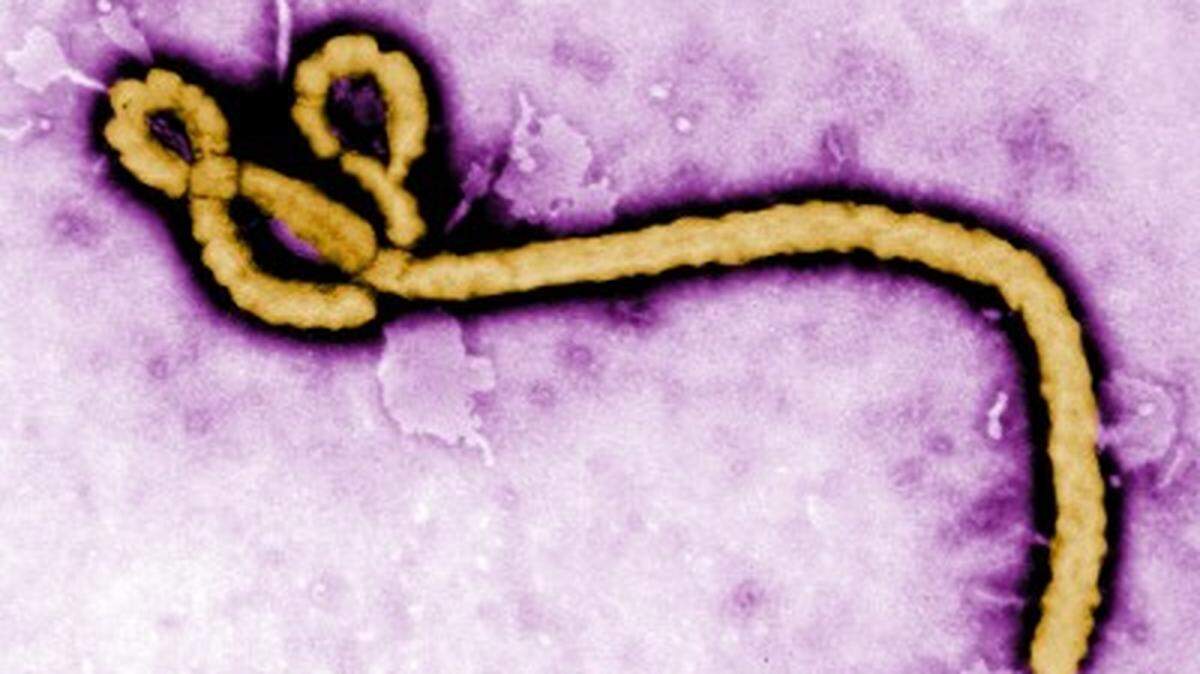
A fast-moving ebola outbreak in Africa has already infected hundreds of people, sparking fears of a possible pandemic, health officials said.
There have been 536 suspected cases, 105 probable cases, 34 confirmed cases and 134 suspected deaths in Congo and Uganda, according to the U.S. Centers for Disease Control and Prevention.
“I suspect this is going to become a very significant pandemic, probably going to leak into Tanzania, leak into southern Sudan, maybe leak into Rwanda,” former CDC chief Robert Redfield said Wednesday, May 20, during a NewsNation appearance on NewsNation.
The ebola outbreak began in Congo in May, the CDC said.
However, it wasn’t identified until there were already more than 100 cases, Redfield said.
The Bundibugyo virus, one of six ebola viruses, is behind the outbreak. There is no vaccine for the virus, which has a 25% to 50% death rate.
Here’s what to know:
What is ebola?
Ebola is a disease caused by viruses found primarily in sub-Saharan Africa, the CDC said.
It can have a mortality rate of up to 80% to 90% depending on the strain of the virus.
Orthoebolaviruses, which cause ebola, were discovered in 1976 in the Democratic Republic of the Congo, the CDC said.
Further outbreaks have taken place in several African countries, with the largest occurring in West Africa from 2014 to 2016.
More than 28,000 ebola cases were reported.
How common is ebola?
Ebola is considered a rare disease with sporadic outbreaks taking place mainly in Africa, the World Health Organization said.
It is extremely rare in the United States and the overall risk to the American public and travelers from the current outbreak remains low, the CDC said.
No cases have occurred in Washington state, according to the Washington State Department of Health.
Who is at risk of ebola?
Ebola poses little risk to most travelers or the general public, the CDC said.
People who come into direct physical contact with the blood or body fluids of an infected person or animal are most at risk, the agency said.
They can include healthcare workers, caregivers, family members of infected individuals and mourners participating in traditional burial rituals involving direct contact with the deceased.
On Thursday, May 21, the U.S. Department of State issued a worldwide caution and health alert concerning the outbreak.
All U.S. citizens and legal residents returning to the nation from the Democratic Republic of the Congo, Uganda, or South Sudan must arrive at Washington Dulles International Airport in Virginia for enhanced screening, the order said.
What are the symptoms of ebola?
Early ebola virus symptoms include an “abrupt onset” of fever, headache and muscle aches, according to the Washington State Department of Health.
After about five days, symptoms can progress to watery diarrhea, vomiting and abdominal pain.
“Later signs can include internal and external bleeding, and multi-organ failure,” the state Health Department said.
Symptoms usually show within 8 to 21 days of exposure, the World Health Organization said.
What are health complications from ebola?
Although ebola symptoms can start off “like the flu,” they can progress to more serious health issues such as brain inflammation, organ failture, seizures and shock from losing blood, according to the Cleveland Clinic.
Chronic, long-term complications can include abdominal pain, eye pain, fatigue, headaches, joint pain, numbness and tingling, peeling skin, the clinic said.
Some people experience vision problems, including blindness, blurred vision and light sensitivity.
When should you see a doctor about ebola?
Get medical care immediately if you think you have been exposed to ebola and have symptoms, the Cleveland Clinic said.
How does ebola spread?
It’s thought that fruit bats carry the viruses that cause ebola, the World Health Organization said.
“The virus can get into the human population when people have close contact” with the blood, bodily fluids or organs of infected animals such as “fruit bats, chimpanzees, gorillas, monkeys, forest antelope or porcupines found ill or dead or in the rainforest,” the agency said.
“The most common way ebola is transmitted is from person-to-person through body secretions,” said Dr. Pritish Tosh, an infectious diseases specialist at Mayo Clinic.
People can spread the virus through close contact with bodily fluids of an infected person.
This includes sexual intercourse, the Cleveland Clinic said.
Body fluids that can transmit ebola include blood, breast milk, feces, mucus, saliva, semen, sweat, tears, urine and vomit, the Mayo Clinic said.
How can you prevent ebola?
According to the CDC, you should avoid contact with body fluids as well as clothing, bedding, needles, medical equipment or other items that may have touched an infected person’s blood or body fluids.
You should also avoid contact with the bodies of people who may have died of ebola, as well as bats, forest antelopes, primates, and blood, fluids or raw meat from these animals.
There are two vaccines for ebola viruses approved by the federal Food and Drug Administration, but no vaccine for the Bundibugyo virus behind the current outbreak.
How do you treat ebola?
Strong supportive care is required because of the massive toll ebola takes on the body, the World Health Organization said.
There is no cure.
How can you tell ebola from other illnesses?
“It can be difficult to clinically distinguish ebola disease from other infectious diseases such as malaria, typhoid fever, shigellosis, meningitis and other viral hemorrhagic fevers because symptoms at early stage of the disease are similar,” the World Health Organization said.