Why doesn’t Washington state get hit by hurricanes? Here’s the science why
When Hurricane Hilary plowed into southern California, bringing several inches of rain and wind gusts over 80 mph, it became the first tropical storm to make landfall in California since 1939.
Hilary grew to a Category 4 hurricane before weakening as it approached the Mexican state of Baja California before moving into the United States as a tropical storm.
Hilary’s path toward the continental U.S. is an outlier. It’s not uncommon for hurricanes to form in the warm waters off Mexico’s coast, but they’re often pushed out to sea by many meteorological factors, providing the west coast with a rainy or cloudy day at worst.
That’s in stark comparison to the U.S. east coast and Gulf states, which typically see five hurricanes make landfall each year.
As active as the southeast is during hurricane season, and Hilary’s rare foray into the southwest, why does the Pacific Coast not bear the brunt of ocean-borne storms?
Over 4.8 million of Washington’s 7 million residents live in coastal portions of the state, according to the National Oceanic and Atmospheric Administration’s Office for Coastal Management, putting them in the direct line of a hurricane landfall.
Even residents who live farther inland — such as the Tri-Cities, approximately 170 miles from the Pacific coast, or Spokane at 220 miles away — would be in danger of hurricane aftereffects.
For example, Hurricane Ida made landfall in southeast Louisiana in 2021 and was still causing damage as an extratropical low in New York City, approximately 1,200 miles away. A couple of years earlier, Hurricane Harvey made landfall in Texas and caused flash flooding in Greeneville, North Carolina, about 1,000 miles away.
Even Hurricane Hilary is bringing heavy rain and gusty winds to eastern Oregon and Idaho, over 1,200 miles from southern California.
Inland Washington might not be close enough to the coast to be hit by strong winds from an ocean storm, but it would be close enough to feel the heavy after-effects of extratropical cyclones.
Hurricanes enjoy the warmth
The Pacific Northwest doesn’t get hurricanes primarily because the storms use warm water as fuel, Mary Butwin, a meteorologist with the National Weather Service in Seattle, previously told McClatchy News.
Warm water is vital for hurricanes because that’s how they get energy, according to NOAA. Hurricanes typically strengthen over warm water and leave cooler water in their wake, which is why NOAA says global warming and rising sea temperatures will contribute to more robust and frequent hurricanes in the future.
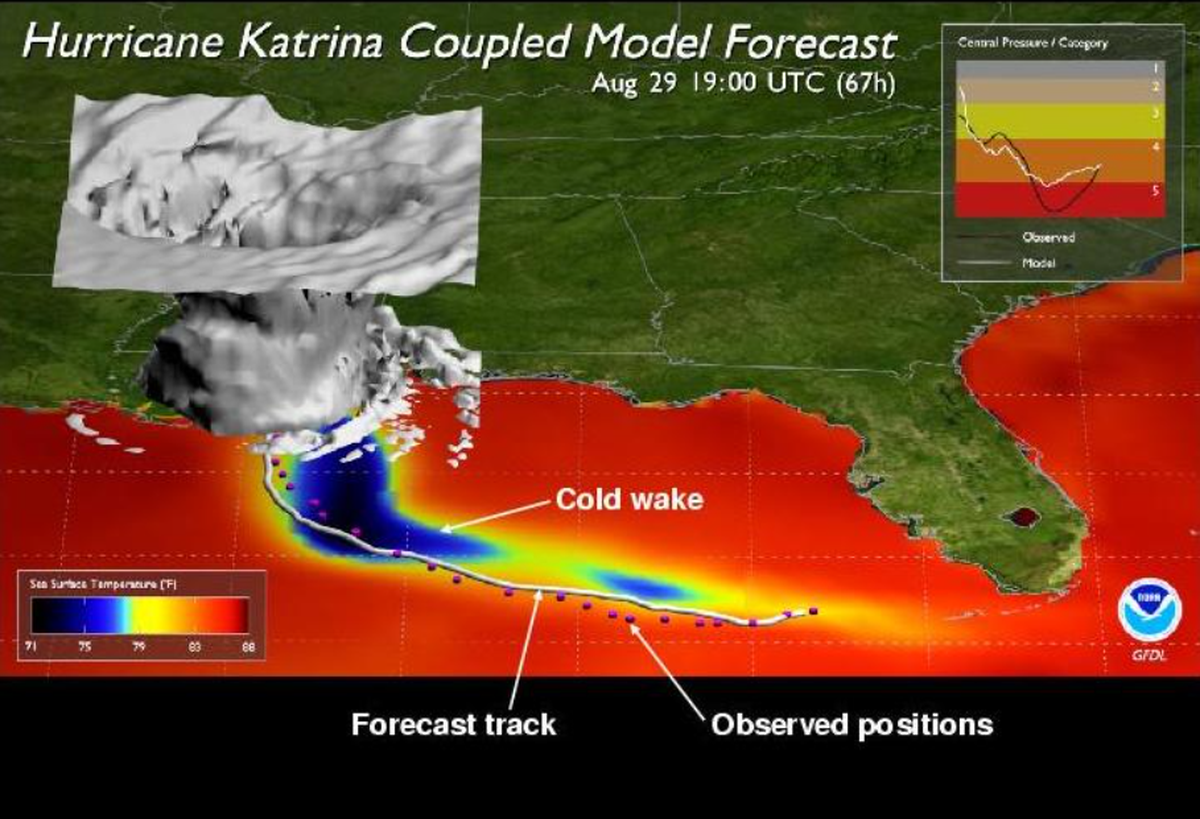
Surface-level sea temperatures have to be at least 79 degrees for a hurricane to form, according to the Weather Service. The ocean waters along the West Coast are typically a chilly 50 to 65 degrees. Water temperatures off the Mexican west coast have been as warm as temperatures seen in the central Atlantic Ocean, around 86 degrees, which helped Hilary quickly gain strength.
“To think about it in terms that we usually see here in western Washington, you have some warm water, and the heat from that will rise through the Sound, and then that will evaporate and rise up through the atmosphere,” Butwin said. “And that’s basically the fuel.”
“Here, we usually see that in the form of fog,” she continued. “Warmer water forms those foggy conditions that typically happen over the Sound.”
That’s not to say tropical storms can’t form in the northeast Pacific every now and then. In 1975, a nameless hurricane formed from the remnants of Hurricane Ilsa northeast of Hawai’i. The storm became the farthest-ever north Pacific hurricane and came close to the coast of Alaska, but it failed to make landfall after colliding with a cold front and falling apart.
Why is the water so cold off the West Coast?
Cooler water off the coast of Washington and Oregon is typical, but cold water can persist all the way south to Cabo San Lucas at the tip of Mexico’s Baja California peninsula.
Cold water reaches that far south because of the North Pacific Gyre, an extensive rotating water system with smaller rotating systems within it.
One of those smaller systems is the California Current.
“The main thing is for hurricanes, they form in the tropics, and you generally need the warmer ocean water that serves as the fuel for the storm to form,” Butwin said. “We simply don’t have that; our ocean current is much too cold, generally coming down from the Gulf of Alaska.”
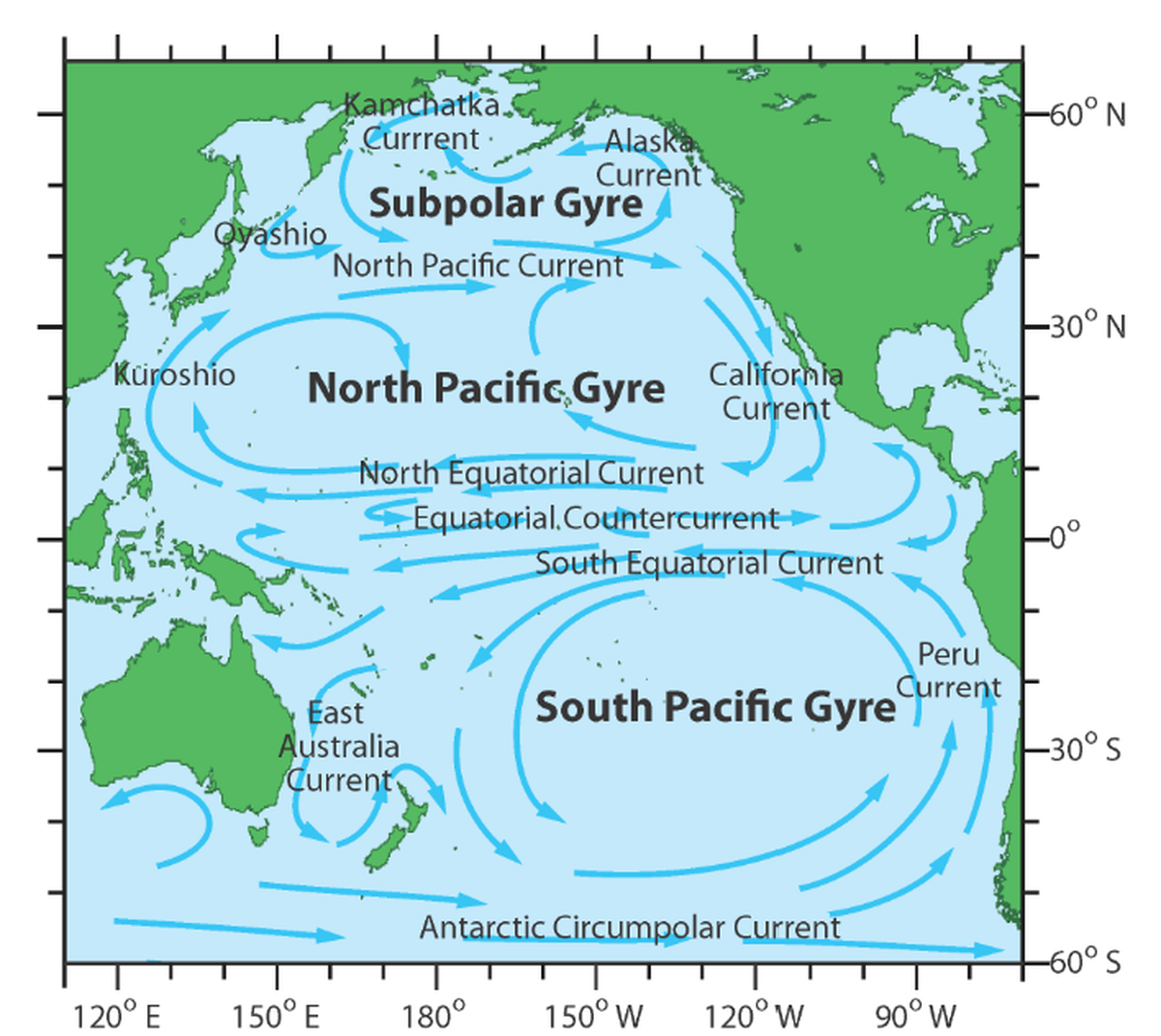
The cold water from Alaska is then pushed westward as it collides with warmer water from the North Equatorial Current and flows across the Pacific until it reaches near the east coasts of Asia.
The water warms as it crosses the world’s biggest ocean, which is why typhoons — the name for a hurricane in the western Pacific — often occur in the western Pacific but not as much in the eastern Pacific.
The same phenomenon occurs in the Atlantic — the North Atlantic Gyre pulls water from northern Europe toward the African coast before pushing it west toward the Americas. Along this warm-water current, hurricanes form.
Wind also affects a hurricane’s path
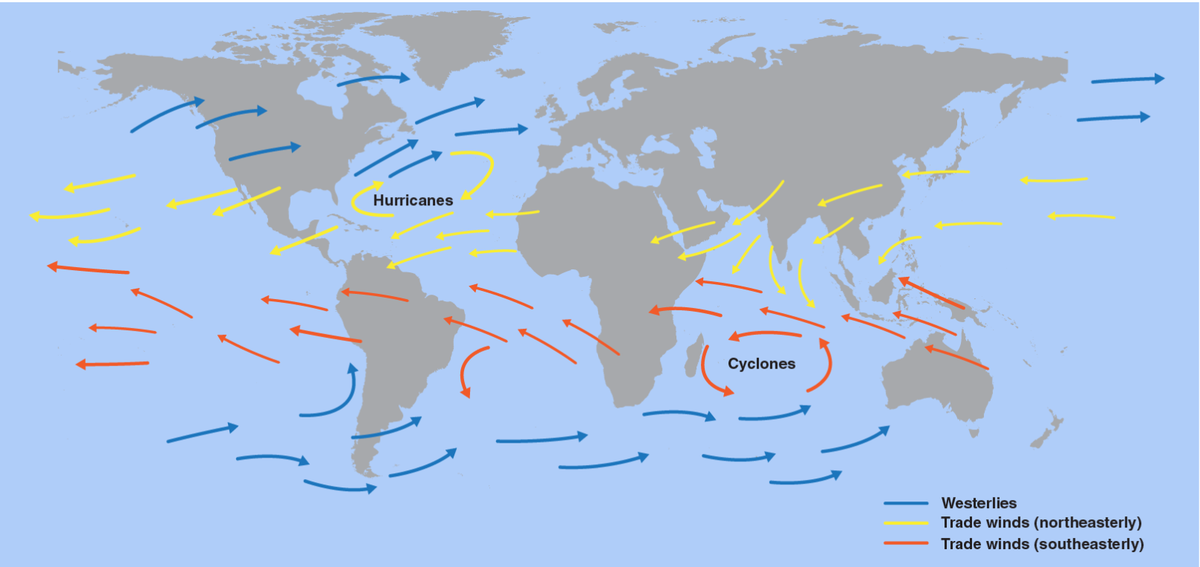
Another primary reason hurricanes mostly move from east to west — and therefore away from the U.S. west coast — is trade winds. Trade winds result from the Coriolis Effect — the phenomenon that causes the worldwide circulation of wind created as the Earth rotates.
In most of the Northern Hemisphere, these trade winds blow from the northeast to the southwest, eventually blowing more easterly as they approach the equator.
Some trade winds — called westerlies — occur close to the poles and blow in the opposite direction. In rare instances, these winds can blow storms back toward Europe, such as Hurricane Katia in 2011, which formed east of Florida, traveled north, and eventually hit the United Kingdom.
Along with following the flow of warm water, hurricanes are typically pushed westward by these winds.
This story was originally published August 21, 2023 at 11:56 AM.