
Is Washington state still in a drought after massive floods? What experts say
After much of Washington state saw historic flooding near the end of 2025, weather observers may be wondering how that affected drought conditions.
“Did record rainfall end Washington’s drought?” the Washington State Department of Ecology asked in a Jan. 6 Facebook post.
“Unfortunately, no,” the state agency replied.
Much of Washington state was still “abnormally dry” or worse as of Thursday, Jan. 22, according to the U.S. Drought Monitor.
Drought conditions are likely to remain throughout the 2026 crop season, experts said.
Why is Washington still in a drought? Which areas are most affected, and what can we do to improve water supply?
Here’s what to know:
How long has Washington state been in a drought?
The Evergreen State has experienced varying degrees of drought for the past several years.
Particularly in Eastern Washington, ongoing drought conditions have impacted crops, the environment and water supply.
However, the whole state is experiencing the impacts.
A total of 19 Washington watersheds experienced low water supply and undue hardships in the summer of 2025, inspiring the Washington State Department of Ecology to expand a drought declaration as part of a statewide emergency.
That allowed the state agency to provide up to $4.5 million in emergency grants to cities, utility districts and other public agencies while speeding up the processing of water right permits and transfer applications, McClatchy Media reported at the time.
Is Washington state still seeing drought conditions?
According to the U.S. Drought Monitor, nearly three-fourths of Washington state — 73.3% — was abnormally dry or in some degree of drought as of Thursday, Jan. 22.
About 23.9% of Washington state was in “moderate drought,” the federal drought monitor said, while 2.2% of the state was experiencing “severe drought.”
The majority of the areas experiencing drought conditions were east of the Cascades, but dry conditions extended to the west side of the state.
An estimated 630,348 people were living in drought-affected areas in Washington state as of Jan. 22, according to the U.S. Drought Monitor.
A lack of precipitation over the past several years has contributed to ongoing drought conditions, according to Caroline Mellor, drought lead for the Washington State Department of Ecology.
Washington state’s reservoirs and basins have lower snow and water levels than needed to support the state through spring, summer and early fall.
Mellor explained that the U.S. Drought Monitor is essentially a snapshot in time, reflecting current conditions based specifically on water supply.
Drought declarations from the state are more future-focused and based on numerous factors not considered by the drought monitor, including snowpack, Mellor said.
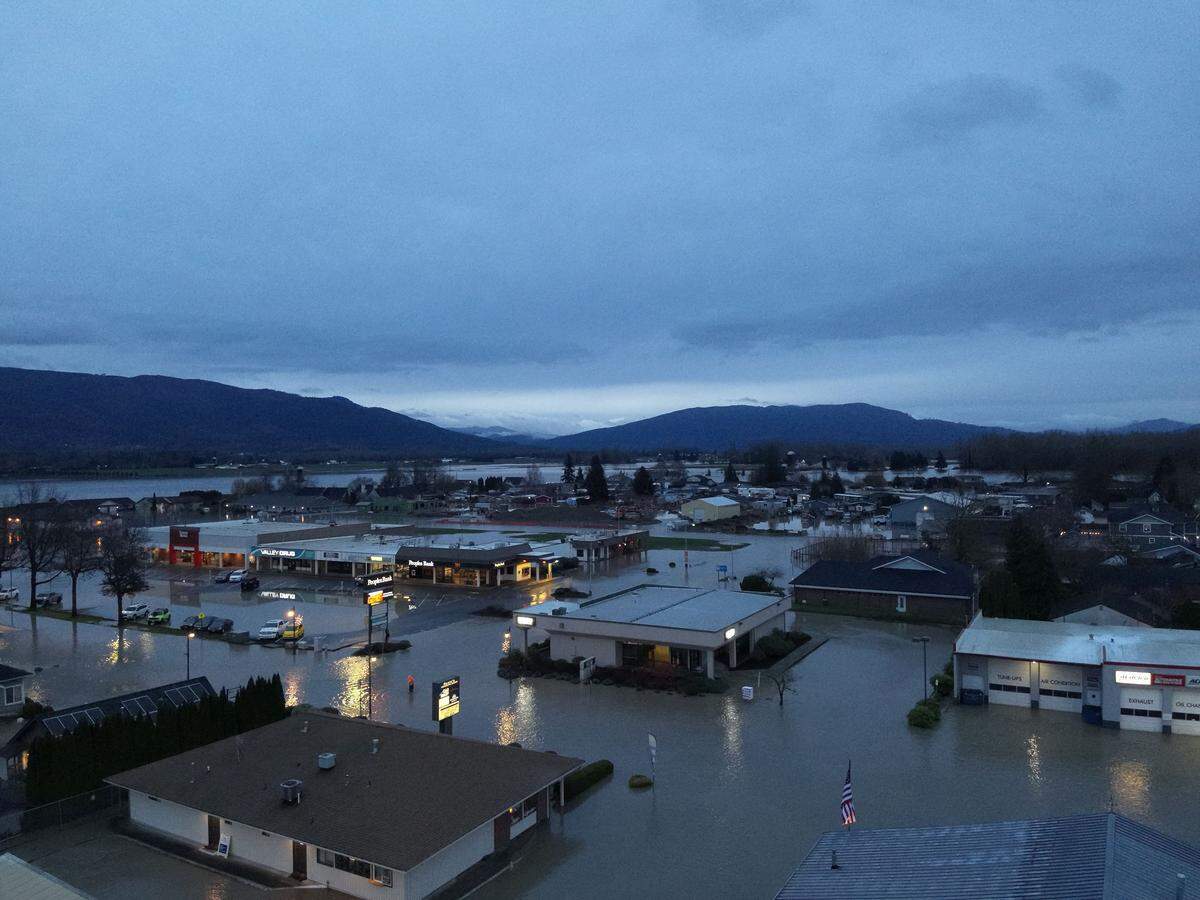
Why is Washington state still in a drought after winter floods?
Given the massive amounts of rain that fell during early winter storms across the state, some may assume drought conditions have improved in Washington state.
Unfortunately, precipitation does not equal water supply.
To improve the water supply, Washington needs to receive snow in cold conditions, Mellor said.
Rainwater returns to the Pacific Ocean rather than streams or ponds, Mellor explained, and if it snows when it’s too warm, the snowpack melts too fast to improve conditions.
“For Washington water supplies, there is no substitute for snow,” Jimmy Norris, the Washington State Department of Ecology’s water resources contact, wrote in a Jan. 6 blog post. “We rely on a thick snowpack to build up over winter, and then gradually melt in spring and summer, feeding rivers and refilling aquifers.”
The rain actually washed out some of the snow Washington had already received, Mellor told McClatchy Media.
Although the U.S. Drought Monitor says Western Washington had “above normal precipitation” to start 2026, that hasn’t eased state ecology experts’ concerns, according to Mellor.
Most areas of Washington state are not ecologically designed to absorb that much precipitation at once, Mellor said.
Washington’s basins are largely built for snow, so the state needs cold precipitation to make a difference.
“Precipitation helps soil moisture, so that could help groundwater over time, but a lot at once runs off to the ocean too quickly,” Mellor said.
What is Washington snowpack like now?
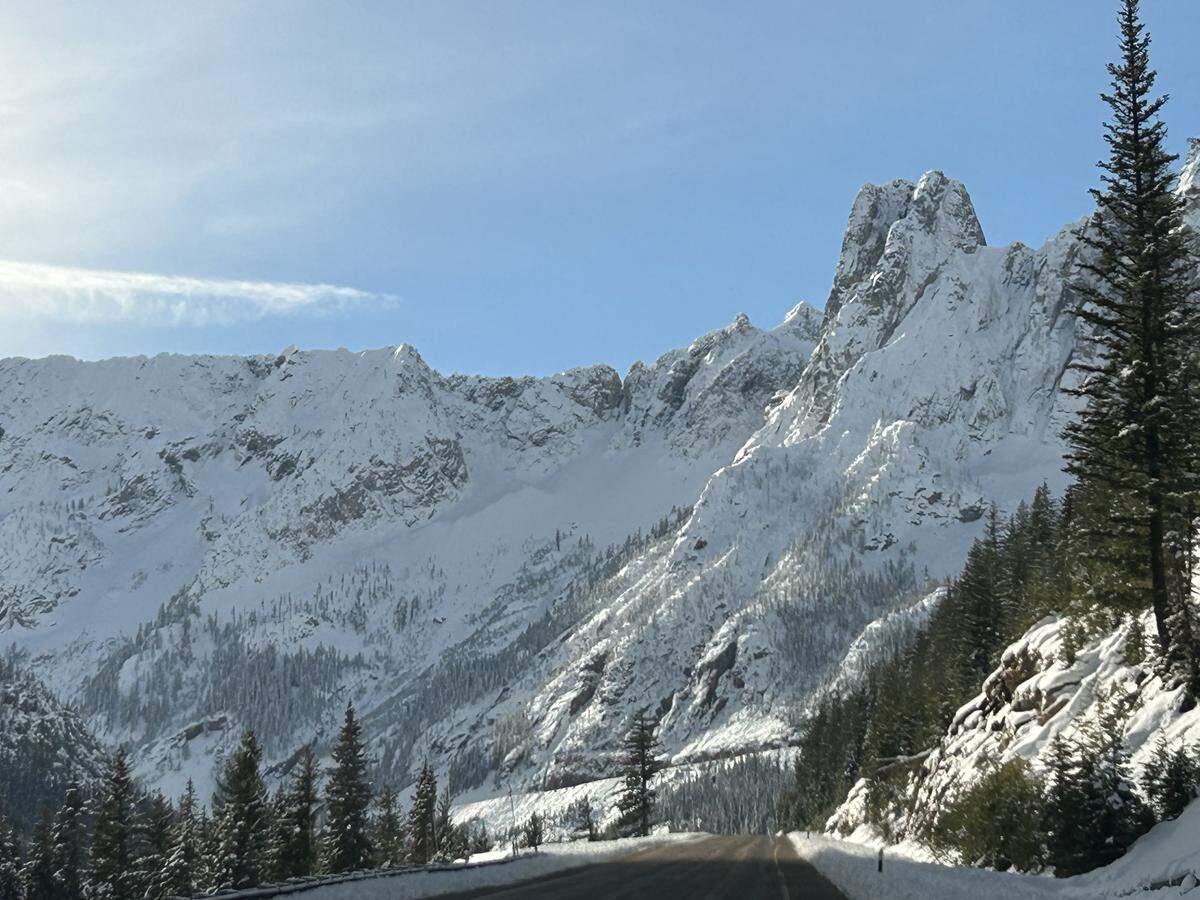
As of Thursday, snowpack across Washington state was less than 60% of average, compared to the region’s standard snowpack between 1991 and 2020, Mellor said.
According to Mellor, December was the warmest December on record for Washington.
The majority of high-elevation sites in the states, where snowpack is measured, didn’t get cold enough to support the necessary snowpack, she said.
Washington state should be seeing decent snowpack at all mountain elevations, not just the highest peaks, according to Mellor.
The current forecast shows very few locations with a maximum temperature below freezing, which is not enough to support the state’s necessary snowpack.
Will storms improve snowpack in Washington state?
While no major snow storms were forecast across the state for the next 10 days as of Thursday, it’s possible more winter precipitation will hit Washington later in the winter. That’s been the pattern in previous years.
By then, however, it may be too late to adequately improve the snowpack.
“Some snow later in the season isn’t going to make up for no snow for most of the season,” Mellor said.
The key is building a strong snowpack throughout the year, allowing this snow to melt throughout the year.
“When you only have snowpack building later in the year, it’s really hard to make up all that lost time,” Mellor said.
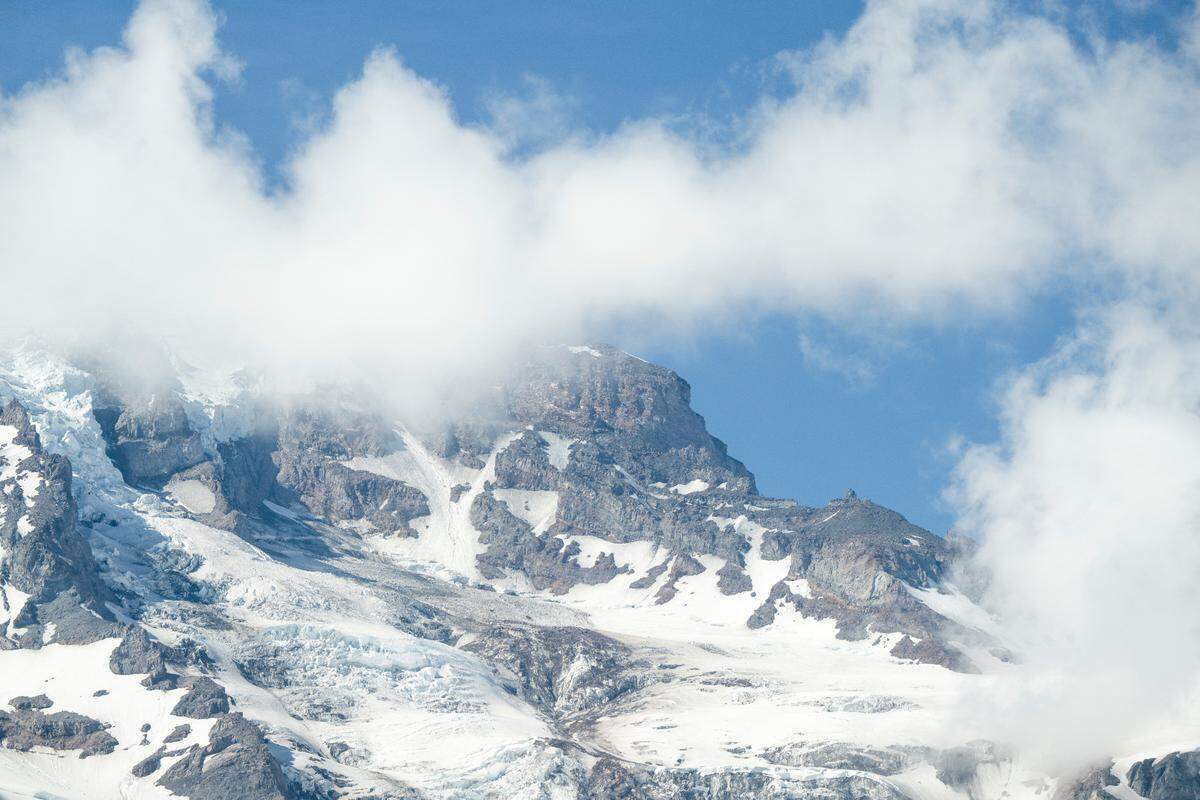
Washington state would need multiple major storms to improve current conditions, she said.
The chances of that occurring are pretty low, leaving state ecology experts “highly concerned,” Mellor added.
“The bad news is that one big storm won’t be enough to make up lost ground – and even finishing the winter with hefty snowpack is no longer a guarantee,” Norris wrote.
Even if Washington did get multiple significant storms increasing snowpack, the state would need to stay cool enough through spring.
In previous years, solid snowpack was lost due to overly hot weather in the spring, according to Mellor.
Is climate change impacting Washington winters?
The factors prolonging drought conditions in Washington state are the result of climate change, according to Mellor and Norris.
“This is becoming the new normal in Washington,” Norris wrote. “Climate change has transformed snowy winters into rainy ones, and the snow we do get doesn’t last as long as we need it to.”
For some time, Mellor said, climate models have shown that western America — specifically the Pacific Northwest — can expect increasingly warmer winters. These predictions are already coming true.
“What that is telling us is we’re going to continue to see these warmer winters and lower snowpack much more often in the future,” Mellor said.
How can drought conditions in Washington be improved?
It’s important for Washingtonians to reframe their understanding of drought and water supply in their region, according to Mellor.
“Drought isn’t just dryness, but impact on water supply,” Mellor said.
In Western Washington, residents get much of their water from the Cascade and Olympic Peninsula mountains — not from rainfall.
The water supply in the mountains is massively important for everything from providing water to homes to supporting the fish and important ecosystems, according to Mellor.
Residents in Eastern Washington aren’t immune to drought conditions, either. The region can get dryer still, and a lack of good snowpack means less water in local streams and rivers, less hydrated soil and other crop impacts.
Mellor says Washington residents should reduce their water usage, while local governments should adopt water practices focused on conservation and long-term thinking.
This story was originally published January 22, 2026 at 11:39 AM.