
Physicians face a high risk of suicide. A Mary Bridge pediatric oncologist can relate.
On the first day of medical school, we all pledge to “do no harm” to our patients, but what we really need to learn is that “do no harm” must apply to us first. As physicians, we need to put our own oxygen masks on first.
With all that surrounds us, it’s easy to lose hope and feel that we can’t possibly survive the weight of the suffering and struggle around us. Unfortunately, this is not a new phenomenon. According to studies, one in five physicians has contemplated suicide and physicians have the highest rate of suicide of any profession.
I can relate on a deep and personal level.
As a pediatric hematologist and oncologist, I’m no stranger to grief, loss and suffering — to the unfairness of life. There is immense joy and meaning in the work we as pediatric oncologists get to do every day, but there is also inherent sorrow and trauma in our specialty.
A few years into working at Mary Bridge Children’s Hospital in Tacoma, our pediatric oncology team experienced a period of tremendous trauma through the loss of multiple family members, many to cancer, including the daughter of one of my colleagues. We faced record numbers of patient relapses, deaths and new cancer diagnoses, all at a time when we were already short-staffed and emotionally spent.
I took it all on as my own responsibility. Everything I knew and learned in medical school was how to push through exhaustion and put everyone and everything above my own needs. How else did I survive the 30-40 hours on-call every third night in the hospital? Or endure studying for 16 hours every day — for years?
I kept pushing and pushing until I had nothing left. Then one day, after a devastating and lengthy end-of-life discussion with a patient’s family, I was done. I was so exhausted and lost, that I felt suicide was my only way out of the abyss. As I was driving home, all I could think about was driving off a cliff so I wouldn’t have to return to work the next day.
In that moment, I finally said the most important words I’ve ever said out loud: “I need help.”
I got help and formed a support community. It wasn’t an immediate transformation, but I began to see that it was possible to navigate a successful life in medicine: to be able to show up fully engaged in both the work I love and in other aspects of my life. It was possible to not only have joy, but also to thrive again.
I now share my story openly because I know that countless others in medicine struggle in silence.
As the pandemic rages on, all of us are exhausted. In health care, we are struggling to care for yet another wave of patients dying from COVID-19.
Countless physicians who answered the call to this profession decades ago have lost their burning desire and purpose to care for and heal the sick: the deep calling that brought all of us to medicine in the first place.
If we are to change the culture of medicine to one where not only asking for but also receiving help is viewed as a sign of strength and not weakness, we as physicians must share our vulnerability and humanity openly. I wish I understood sooner that asking for help is the most courageous act of all.
Healthy boundaries are essential for our survival as physicians. Without them, we cannot serve and heal. If we are not serving and healing, we are failing to accomplish the calling that brought us to medicine. We are human beings first, before we are physicians.
To me, this means I listen to my body when I need to stop and rest. It means I don’t push through exhaustion, as I and my colleagues have done for decades. It means I say “no,” even when I feel guilty and sense an obligation to say “yes.” It means I prioritize my own self-care, exercise and sleep, so I have energy to be the best version of myself that I can be. It means I ask for help, even when I think I can do it by myself. It means I remember that not everything is my responsibility.
Only we have the power to choose how we will respond to all that surrounds us. It is in this space — where we care for ourselves first — that our deepest purpose, hope, strength and resilience lies. It is here where we give ourselves the greatest capacity to serve and heal.
My deepest wish for fellow physicians and colleagues is for each of you to care for yourself as I know you care for others. Our world needs you, as we need each other, to heal us all.
If you or someone you know needs help, contact the National Suicide Prevention Lifeline at 1-800-273-TALK (8255) or chat online at suicidepreventionlifeline.org/chat
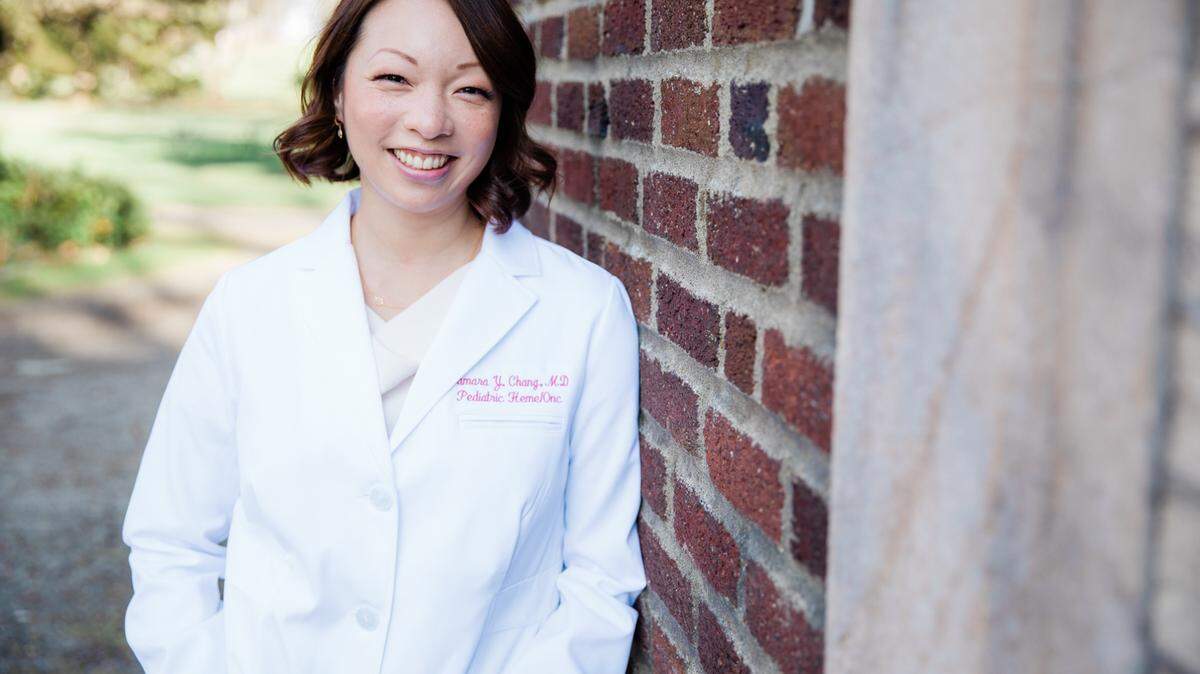
Tammie Chang, MD, is a pediatric hematologist/oncologist at Mary Bridge Children’s Hospital in Tacoma, Wash. She is also the medical director of provider wellness for MultiCare Health System.