
Military spouses sacrifice enough. They deserve jobs, food and the legislature’s support
With November comes Military Family Appreciation Month, making now the perfect time for us to turn our attention to the families, service members and veterans at home who need our help.
Growing up as a military child, I know the challenges that many military families face when they move every two or three years. These moves take a toll, on both the children and parents, adding to the stress that exists when one or more family member serves.
For our military spouses, these hardships are magnified as they are constantly uprooted, moving to places they don’t choose. Military families regularly face financial and economic challenges that have long-term negative impacts. In the last six months of 2020, when COVID-19 was unchecked by vaccines, 34% of military spouses reported having lost their job, and 25% reported reduced hours.
In a recent national study, almost 90% of military spouses (mostly women) report career stagnation even though they are qualified and often have more education than their civilian counterparts.
Military spouses face a 24 percent unemployment rate, and it’s even higher for active duty spouses of color. Additionally, spouses face an alarming 56 percent underemployment rate, and a 26 percent wage gap, compared to civilian peers. Over one third are in a profession that requires a professional license, like speech pathologists, teachers, and health care workers.
I’ve heard from military spouses, including Leslie, the wife of an airman. Leslie has moved to over nine different duty stations while maintaining her career as a speech pathologist, but faced endless and repetitive applications, state board tests, fees, continuing education credits, repetitive background checks, and more. These challenges to employment lead to financial instability.
Military spouses face professional isolation, difficulty finding affordable housing, scarce childcare options and a lack of reliable income. Many of the employment problems are due to roadblocks and red tape that while a minor nuisance to civilian families, prove massive obstacles to military families.
And it is not just government deficiencies that keeps our military spouses from finding a job. Many report discrimination from employers who see their nomadic nature as a detriment and assume military spouses won’t stick around for the long-term. In fact, military spouses are dedicated workers.
This lack of economic security leads to one in five military families in Washington state facing food security challenges. Over 700 military families were served at a food bank at Clover Park High School this summer. A second event in October had a waitlist for military families two weeks ahead of the event.
It’s not right that our military members and their families go hungry, or struggle to acquire their professional licenses in Washington state just so they can go to work and contribute to their family income.
That’s why I’m proposing legislative solutions that the state can enact to support our military families. First, we expand our audiology and speech-language pathology workforce through adoption of a new compact with other states.
Second, we cut red tape and remove barriers to employment for military spouses by passing the Military Spouse Employment Act, a new bill in the 2022 session.
Finally, we strengthen the educational benefits available to our WA National Guard members through a bill to recruit future workers and retain the workforce that exists here today.
These policies aren’t just good for individual families, but our entire military force readiness. The Department of Defense notes military spouse satisfaction as a critical determinant for their active duty military member’s decision to remain in the military. If you want a dedicated and professional military, you need to ensure military spouses can pursue their careers without unnecessary barricades.
The Legislature can demonstrate gratitude and act on our moral imperative by getting rid of bureaucracy that holds military families back and invest in these families and pass legislation this upcoming session to get folks to work, eliminate military family poverty and hunger, and contribute to our county’s military readiness.
Military spouses and families sacrifice often unnoticed, with a stoic and quiet nature for our safety and prosperity. Reducing hindrances to their success while serving in Washington state is the least lawmakers can do for what those families do for us.
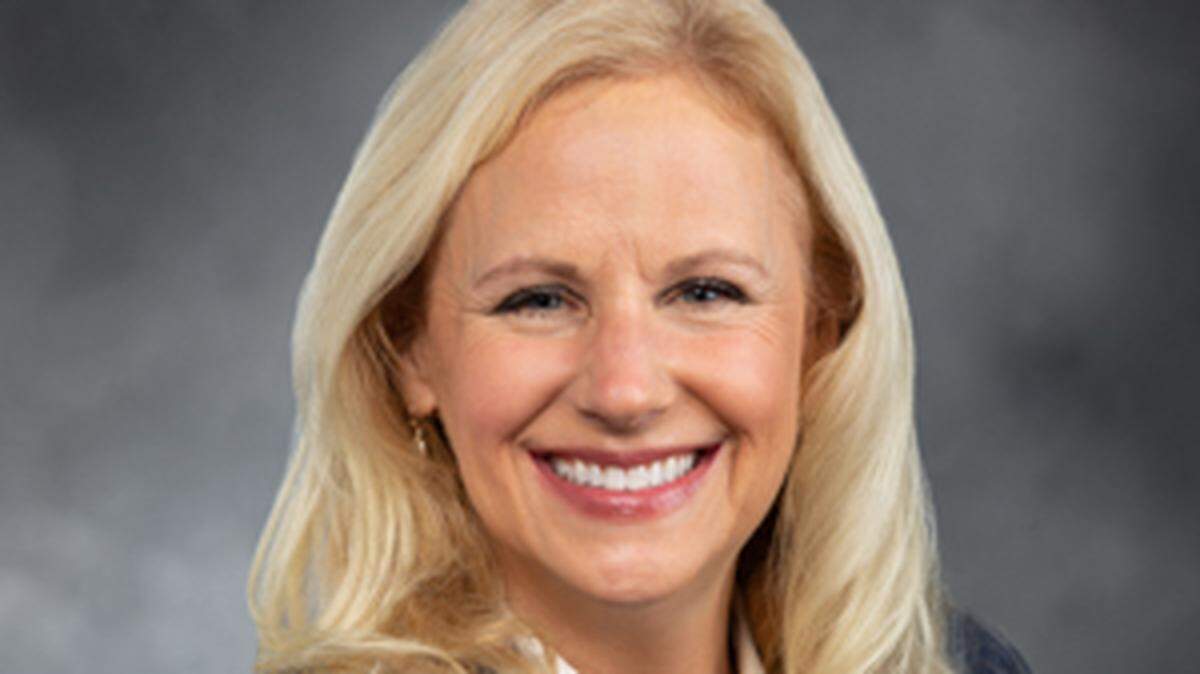
State Rep. Mari Leavitt represents the 28th LD which houses parts of JBLM and Camp Murray. She serves on the House’s Housing, Human Services and Veterans Committee, the Joint Committee of Military and Veterans Affairs as well as National Conference of State Legislature’s National Task Force of Military and Veterans Affairs. Leavitt is a daughter and granddaughter of veterans.