
Millions of people have rare diseases, including my son. Here’s how Congress can help
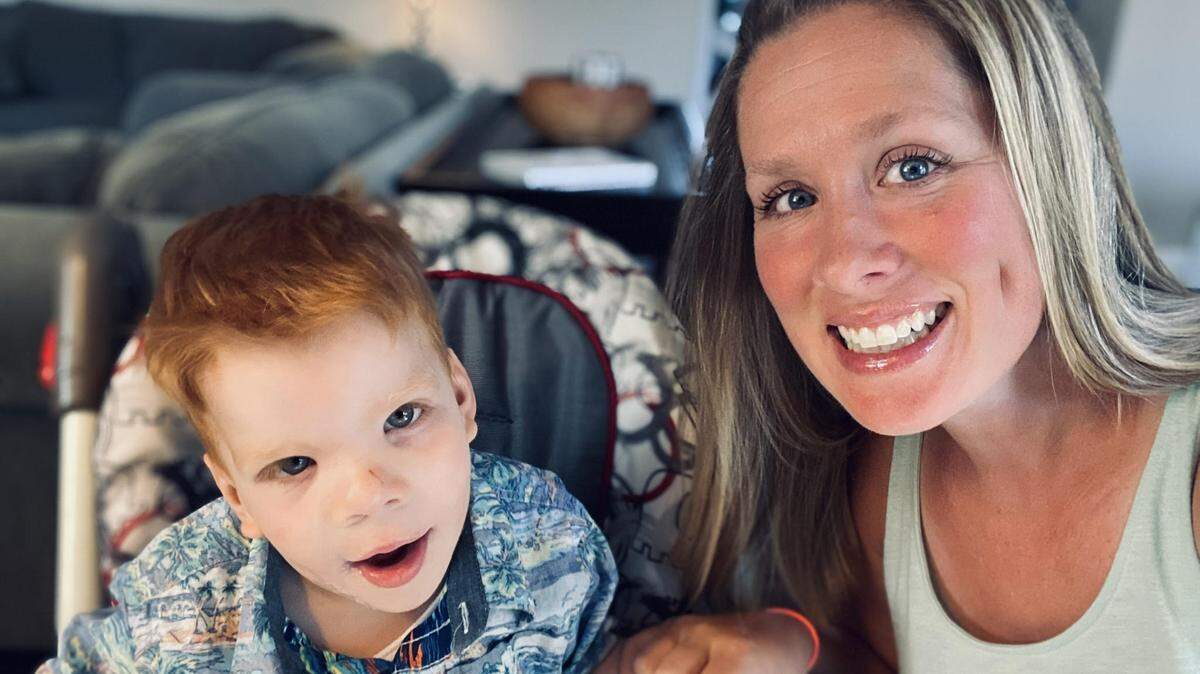
As a mother of a rare disease patient, I am one of millions of families across the United States still waiting for medical science to catch up with the needs of our loved ones. At the time of our son’s rare disease diagnosis there were no treatments and no cure. Arguably the next hardest news was that it was unlikely that anyone would be working to find one.
There are over 7,000 rare diseases currently identified, but only 10% have a Food and Drug Administration (FDA) approved treatment, which leaves patients and families anxiously awaiting the next breakthrough therapeutic discovery. Congress can speed this process along by expediting the passage of the Prescription Drug User Fee Act (PDUFA) — an important FDA funding mechanism that would bring more resources to rare disease patients and their families. These critical supports expire on Sept. 1; Congress must act swiftly to get the legislation to the President’s desk before that deadline.
Rare diseases affect between 20 and 30 million Americans each year, and around 350 million people all over the world. Any disease that impacts 200,000 people or less in the U.S. is classified as a rare disease. The rare disease community is a close-knit group of patients, parents and specialists determined to break down healthcare barriers for patients with rare diseases.
Rare disease patients — over half of whom are children — face challenges far beyond what most patients deal with. It can take years to get a diagnosis or to find appropriate treatment centers and physicians. Patients living with rare diseases visit an average of seven physicians over a course of almost five years before receiving an accurate diagnosis. Even then, there may be few treatment options, and they typically aren’t covered by traditional insurance networks.
The American Journal for Medical Care focused on rare disease patient costs, conducting a comprehensive study of 24 rare diseases to learn about the financial hardship faced by patients and their families. Many factors were considered in the overall cost, including but not limited to treatment price, hospitalization, travel and work loss. The Journal concluded that the average cost burden for a rare disease patient is $266,000 per year, compared to $26,000 for more common diseases. The study demonstrates several additional costs that patients must incur due to lack of available treatment and increased delay in new therapeutic discovery for rare diseases.
Since 1992 when PDUFA was enacted, more than 1,700 new drugs have been developed, including many treatments for rare diseases. PDUFA serves patients with rare diseases by supporting new medical discovery as part of the government’s central public health responsibility. Because of PDUFA and the FDA’s drug review programs, which are the global gold standard for regulatory review and approval across the world, the U.S. now leads the world in the introduction of new medicines.
A new therapeutic innovation for any disease can take 10 or more years to move from bench science to commercial development and typically requires large private investment over that timeframe to complete necessary clinical trial phases. The federal funding streams that guarantee the FDA has the expertise to assess the safety and efficacy of new drugs must be reauthorized every five years to keep our ecosystem of new discovery healthy and productive.
Our son will be turning six years old this year and there are still no treatments. There are, however, people fighting for the rare disease community. Locally, U.S. Senator Patty Murray is leading the effort to usher PDUFA through the Senate. There are efforts by her colleagues to attach risky policy amendments to this “must-pass” legislation.
I urge Congress to move PDUFA reauthorization quickly to the President’s desk, so people in this Washington can continue benefiting from the next frontier of new medical science.
Lindsey Topping-Schuetz is the mother of rare disease patient, Owen, and board member of the NW Rare Disease Coalition. She lives in Puyallup.
This story was originally published July 29, 2022 at 5:00 AM.