
When the homeless die on the street, the trauma multiplies. My neighbor is an example | Opinion
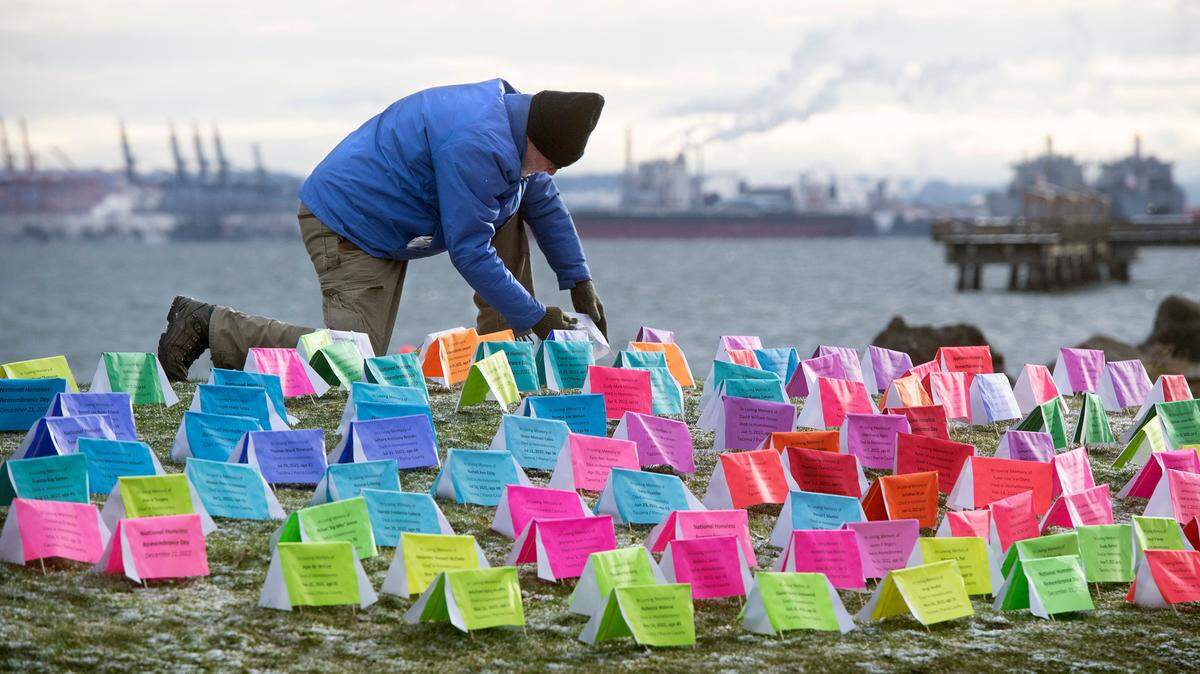
Two names. One problem.
Earlier this month, The News Tribune published an excellent editorial about Tacoma’s loss of a fierce advocate for those living homeless. Maureen Howard had been a voice for the most disenfranchised among us for decades. However, her death on Jan. 5 is a reminder that her decades-long crusade is nowhere near complete.
Maureen was a mover and a shaker in the Tacoma Pierce County Coalition to End Homelessness. She made policy come alive, by making the connection between regulations and outcomes. She would demand that policymakers be held accountable, by making the reality on the streets become the topic in council rooms. She knew the phone numbers of those who represented policy, and those who worked to make it effective. Public officials, government staff, nonprofit agencies and volunteers were put on notice to do the right thing. When she called me, as a public health nurse, to jump through hoops, I said, “How high?”
The TNT however did not run a story on my neighbor, who I’ll call Terry. He died in early December. A week prior, I met Terry at his home, a tarp on the streets of Tacoma near my house. As snow was forecast, I walked to the encampment to encourage folks that shelter might be a good way to prevent frostbite or hypothermia. I roused Terry, who did not seem communicative. A neighbor “Joe” in the next tent asked me to check again, as Terry was not “doing well.” I called 911 when I saw symptoms of extremely poor health. The EMS staff were prompt, caring and efficient, but none of us could convince Terry to connect with medical services.
Two days later I went back. Terry had agreed to seek shelter, but he was too weak to get to a bus stop. I called all the services that provide transportation. Every agency was understaffed, overworked and sympathetic to my request, if they answered the phone at all. I failed to find transportation through the “system,” so I left.
Two days later I went back again. Neighbor Joe said Terry died the day before. Another camper found his body, under the tarp on the sidewalk. The News Tribune confirmed Terry’s death with the Pierce County Medical Examiner’s Office.
Terry was 57 years old, Black, diabetic and suffered from hallucinations. He had enough negative social determinants of health to be able to predict his shortened life expectancy. Housing insecurity, racial disparities, inadequate mental health systems, poverty and chronic diseases all contribute to a public health perfect storm of increasing premature mortality rates.
But Terry’s death contributes to more trauma than what he personally experienced. The EMS staff that picked up his remains, the neighbor who was sympathetic, and the nonprofits who were reminded that the demand for services greatly exceeds the availability of services all feel the impact. Including me, the nurse who tried, but failed.
Maureen Howard excelled at articulating the issue. Government policies that are meant to support the network of responses to the human condition are always catching up. We know more about how to predict poor health outcomes, which should mobilize us to create “Health in All” policies, encouraging strategies that promote positive health outcomes. But the political challenges are overwhelming. Terry did not die because he made bad choices. He died because upstream conditions offered few options to succeed.
Let us not have Maureen and Terry die in vain. Let these two names be the impetus for making our county a better place for all, the fortunate and the forgotten.
Jan Runbeck is a public health nurse, a retired faculty member at the University of Washington Tacoma School of Nursing and Healthcare Leadership and a member of the Pierce County Medical Reserve Corps.