
Huge warehouses are planned in South Tacoma. Why isn’t the city asking tough questions? | Opinion
As a 2020 arrival from flyover country to the Northwest, I am struck by the transformative energy here in Washington for resolving tough issues such as the climate crisis and racial injustice. Like balm to a wound, the state’s Climate Commitment Act and the Healthy Environment For All Act inspire and uplift those of us concerned about climate catastrophe, environmental justice and health equity.
Tacoma’s government has worked hard to create plans and resolutions to pivot our climate trajectory and root out systemic racism to attain a sustainable, just future. Our city’s Climate Action Plan, the 2020 Anti-Racist Systems Transformation Resolution and the One Tacoma development plan (highlighting green growth and social justice) are examples of the impressive work done to deeply reconfigure Tacoma.
But stubborn forces block genuine progress.
The Port of Tacoma puts us at ground zero for the explosion of online shopping, a booming sector requiring deeper ports, more ships and trucks, more storage and more distribution warehouses, all while consuming more greenhouse gas-producing fuels. Tacoma permit applications to expand LNG capacity and warehouses abound.
Such trends threaten Tacoma’s goals for sustainability, environmental justice and health equity. How can constant growth be reconciled with a carbon-neutral economy? How can we resist using well-worn decision-making paths that lead us to environmental crises and greater health inequities? In short, how can we change our current institutions so that they create new, sustainable outcomes?
Coincidentally, as a political scientist, I research systemic political change in foreign countries, but I never thought I’d be applying these skills to Tacoma’s quest for a green and just future. No, I moved to South Tacoma to be closer to extended family, to enjoy dramatic nature and to find better opportunities for my adult disabled children. But when I look at city development decisions, they are not that different from 10 or more years ago despite the new aspirations. Why not?
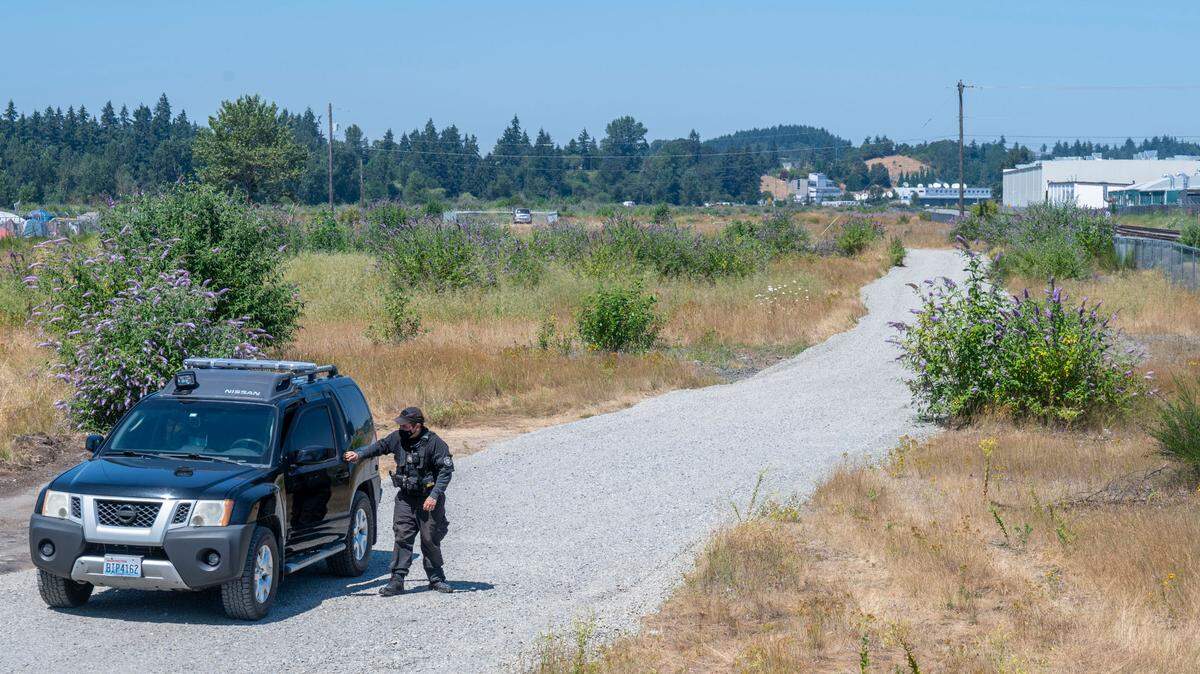
Tacoma’s Department of Planning and Development Services follows the letter of the law in granting business permits. Take, for example, the 2.5 million square foot distribution warehouse Bridge Industrial has planned for South Tacoma. The city has the power and authority in permitting to require an Environmental Impact Statement and a Health Impact Assessment to address issues of climate change and environmental health inequities but, a year on, has not. Beholden by law alone, city decision-makers can ignore the aspirational, transformative spirit of the city’s Climate Action Plan and One Tacoma development plan. Sustainable growth and environmental justice are falling by the wayside.
My solutions? Most importantly, the City Council must make new laws to support health equity and environmental sustainability. But two additional tools could help change government outcomes: accountability and oversight.
Accountability demands that city employees’ promotion and performance criteria be linked to the new climate, health equity and environmental justice goals, with swift and decisive consequences when employees do not respond to the city’s new vision of equitable, green growth. Behavior only changes when incentives change. If the city doesn’t implement new promotion criteria, I fear we are stuck on a climate-destroying development train.
Oversight means committed action by leadership, media and citizens. Mayor Victoria Woodards and our City Council must use all their ability to create intentional change. The media must be fearless and vigilant. And citizens need to follow city activity closely, attend meetings, speak out and vote. Empowered and engaged citizens can help create a government responsive to the interests of all stakeholders.
We can switch the destination of this development train and stop business as usual. Make our government accountable by becoming a part of transformative action and oversight.
Help us all work towards Tacoma’s sustainable, just future.
Michelle Mood has worked as a political science and Asian studies college professor on the East Coast and in the Midwest. Currently, Mood does social and environmental justice centered on her South Tacoma home while caring for her adult disabled children.