
Tacoma’s ‘tenants’ rights’ initiative will hurt who it aims to help: renters | Opinion
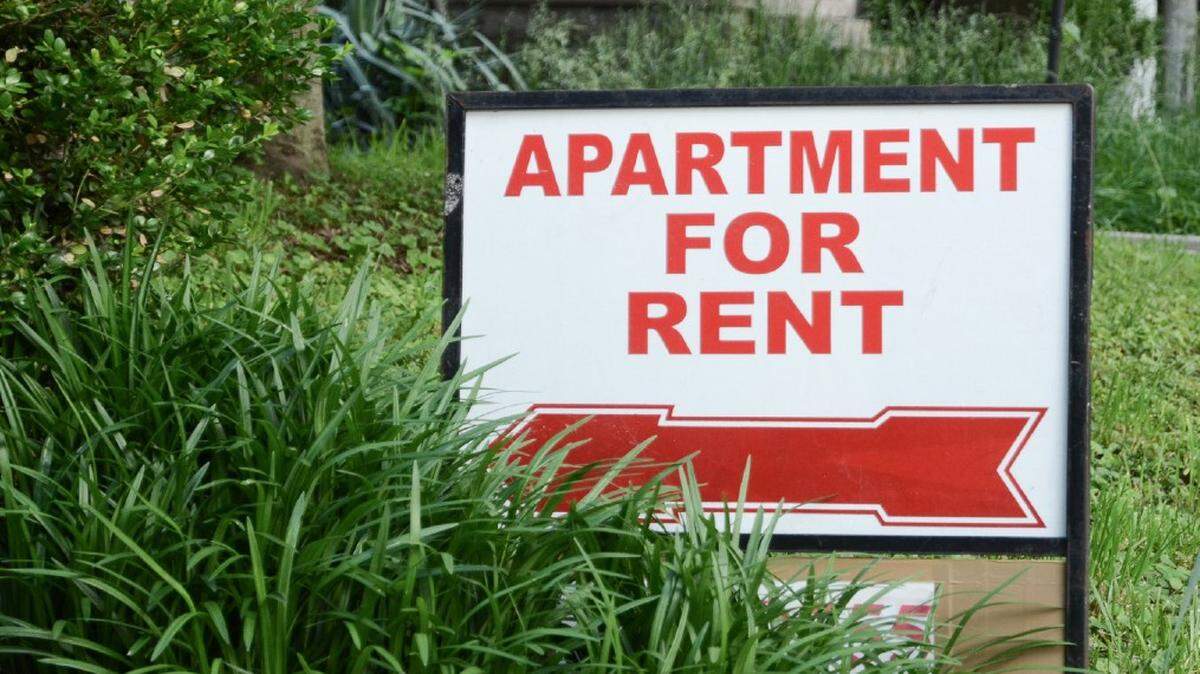
If it’s approved by voters in November, Tacoma’s Initiative 2023-01 — which is dubiously being described as an effort to expand and protect tenants’ rights — would have the opposite effect.
As a local real estate broker and landlord, here’s what I’m certain of, and what I hope voters realize:
Approving the initiative would be bad for everyone in Tacoma, including the people the effort is intended to benefit.
The unintended consequences of this measure will be severe. Local property owners who provide valuable rental housing will quickly disappear — making the rational decision to sell their properties instead of contend with a host of new costs and risks. They’ll be replaced by corporate mega-landlords who have the wherewithal to operate in the difficult-to-navigate business environment the initiative would create.
The truth is, local property owners — the people who maintain and lease single-family housing to people and families who need it — provide a significant amount of the affordable housing in our community. This initiative, which was championed by a group of local activists taking their cues from radical politics in Seattle, bypasses the legislative authority of city government. While the initiative is sometimes portrayed as a movement of the people, it qualified for the ballot by collecting just 4,500 verified signatures — a fraction of Tacoma’s population, which is worth considering given the impact it would have on all city residents.
In the process, Initiative 2023-01 effectively uses a sledgehammer to beat down the very people our local affordable housing market relies on — small landlords.
For example, if the initiative passes landlords will be prohibited, in many cases, from evicting a tenant who doesn’t pay rent during the school year and cold weather months — meaning someone could occupy your property, without payment, for an entire winter. It’s notable that low-income tenants facing eviction already have access to a number of benefits, including access to free legal counsel in many cases. There’s no such help for landlords in most cases.
Meanwhile, the initiative would add a gauntlet of additional costs and potential risks for local landlords, including strict requirements that would force property owners to provide at least six months advanced notice of rent increases and severely limit the late fees they’re able to charge — capping them at the arbitrary total of $10 a month.
You only have to look to Seattle to see how radical policies like these are working. Rental units are evaporating at a rapid rate, as the Rental Housing Association of Washington has pointed out, and conditions for renters are worse, not better.
There is a legitimate need for affordable housing in Tacoma — and across Pierce County. That’s one thing that makes the debate over Initiative 2023-01 so frustrating. My perspective comes from both sides of this issue — as a real estate broker and landlord and as the parent of children who are just getting started in life and struggle with the lack of available affordable housing.
It’s a supply issue; to lower housing costs, we need more housing — the two things go hand-in-hand. That’s where the real focus should be.
What Tacoma desperately needs is less red tape and more incentives for people who live and work in our city. If we’re really concerned about making sure the city has ample affordable housing, we should focus on practical things with a market-driven history of success — like making it easier for homeowners to build an accessory dwelling unit or apartment in their existing home and creating programs to help renters get into them.
I recently attended a local meeting where Tacoma’s housing market was discussed. One speaker noted that roughly 40% of Tacoma residents couldn’t get their hands on $1,000 if an emergency struck. According to the United Way, nearly 80,000 households in Pierce County earn less than the basic cost of living. According to the Census, per capita income in Tacoma — a figure that represents the total income in the city divided by the total population — is just over $37,000. The average rent in Tacoma for a one-bedroom, according to Rent.com, is more than $1,500 a month.
On the other side of this equation, the average price of a home in Tacoma is north of $500,000 in most places, and the cost of building is in the $250 per square-foot range.
The math isn’t hard. In plain talk, no one can afford to do anything on either side of this problem — renters or landlords and developers. This initiative will not be the medicine we need to cure what ails us all. More housing is the answer.
Tacoma’s Initiative 2023-01 puts untenable hardships solely on the backs of landlords, the majority of whom are people like your mom and dad — hardworking people who saved and worked all their lives to build a little retirement for themselves.
Let’s put our city and our tax dollars to work to find solutions that make sense.
Let’s sit down and work on solutions that build everyone up — renters and landlords alike.
Put the sledgehammer away. Tacoma can do better.
The first step is voting “no” on Initiative 2023-01.