
Don’t be fooled by activists bashing WA ‘trophy hunters.’ I’m proud to be one | Opinion
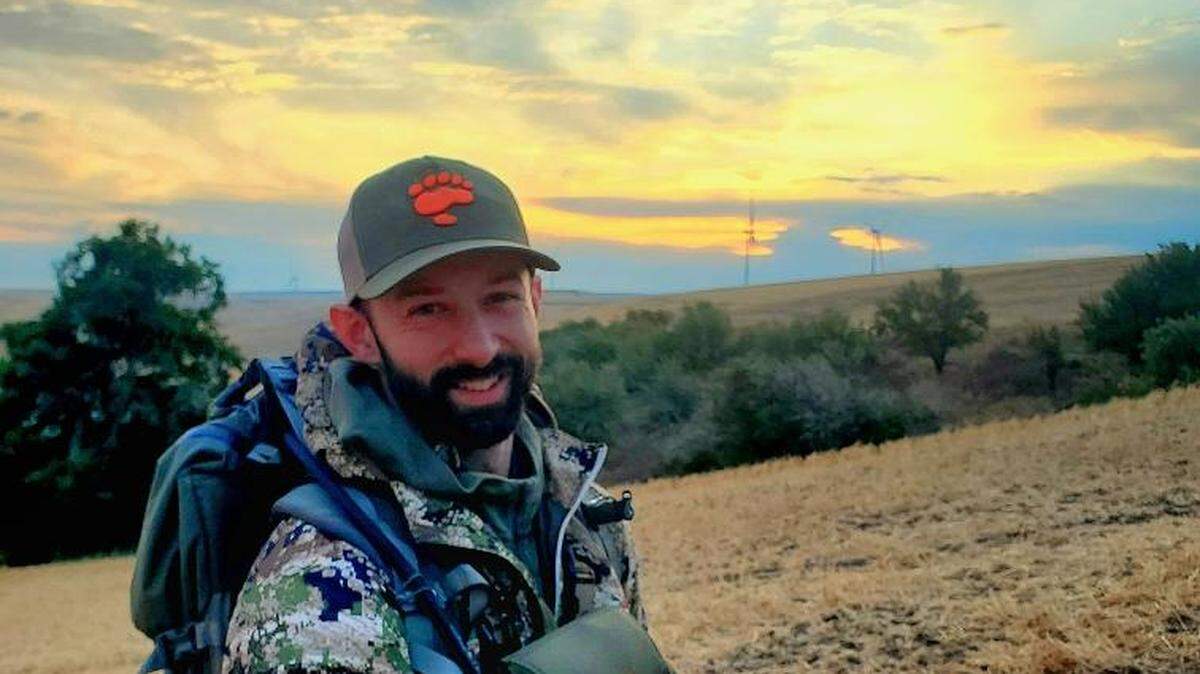
There are many special interest groups in Washington, some of which have recently acquired seats at the state Fish and Wildlife Commission with intent to disparage hunting. They slap the pejorative label “trophy hunting” on all manner of hunting.
I am a trophy hunter. I harvested my first trophy deer at the age of 14, a small doe that I shot with my bow on a neighbor’s property — though the pride I felt when sharing that story with the other junior high kids would have made listeners think I’d bagged the new world record bull elk.
Four years later I notched my second deer tag with my bow in the back portion of my parent’s 5-acre property. I wouldn’t hang a tag on my first buck until I was 25.
The term “trophy hunter” is often used to villainize a person by implying that success is guaranteed and that the only part of the animal retained is whichever is considered to be the “trophy” of the species, be that antlers, horns, hide or skull, and that the rest is discarded. This could not be further from the truth.
At the legal level, Washington and most other states have wanton waste laws requiring all the meat to be salvaged from a harvest, prohibiting waste and providing law enforcement a means by which to punish such actions. Though these laws are very rarely needed, as the clean, organic, renewable protein is often the driving force behind most hunters’ choice to harvest their own meat.
If those who want to demonize us can spare a minute to think about what hunting does for wildlife, they would be advocating for an increase in recreational opportunity to help balance predator and prey populations instead of increasing limitations on hunting in Washington State.
Yes, we enjoy hunting as recreation, but it is also critical for my family to know where our food comes from. The fact is, in today’s society you can procure 100% of your diet from the grocery store, but do you know the non-monetary cost of getting that meal to your table?
How many times have you felt a connection to an animal or the land it lived on through a package of meat bought at your local grocery store? When has a burger from a restaurant made you recall an adventure where you pushed yourself to your limits or motivated you to volunteer on a habitat restoration project to ensure the animal that burger came from had quality habitat to roam wild and free?
As a hunter, I have the privilege of experiencing that with nearly every meal.
Some people, even in the hunting community, may discredit an individual who puts parameters on the animal they are willing to harvest, saying that their motivations are impure or egotistically driven. But this is a narrow-minded stance, often with little merit. Hunters, and the laws they follow, create a balance in nature, allowing younger animals to achieve maturity and allow for the more mature animals to be part of the cycle of lives like mine. We should all appreciate that balance, which is necessary for the health and survival of all species.
I recounted the story of the first animal I harvested, but the real question is: What exactly is a trophy animal? The inherent ambiguity of the question is why I believe Washingtonians need to lean into the discussion and learn more about the commission and its efforts to limit hunting in our state.
For me, a trophy animal is the one that gets you excited; the one that feeds your soul in the mountains and your family at the dinner table. A successful trophy hunt can also be one where the only thing you bring home is the adventure you had in wild places, searching for an animal or experience that makes your heart race.
The truth of trophy hunting is that every animal is a trophy — it is worked for and it is revered.
The next time you read about the “trophy hunters” in Washington, I hope you think about us as conservationists who support healthy wildlife populations and have a keen understanding that our food comes from the land.
This story was originally published January 10, 2024 at 5:00 AM.