
I watched a polluting smelter turn into a vibrant development. Don’t lose perspective | Opinion
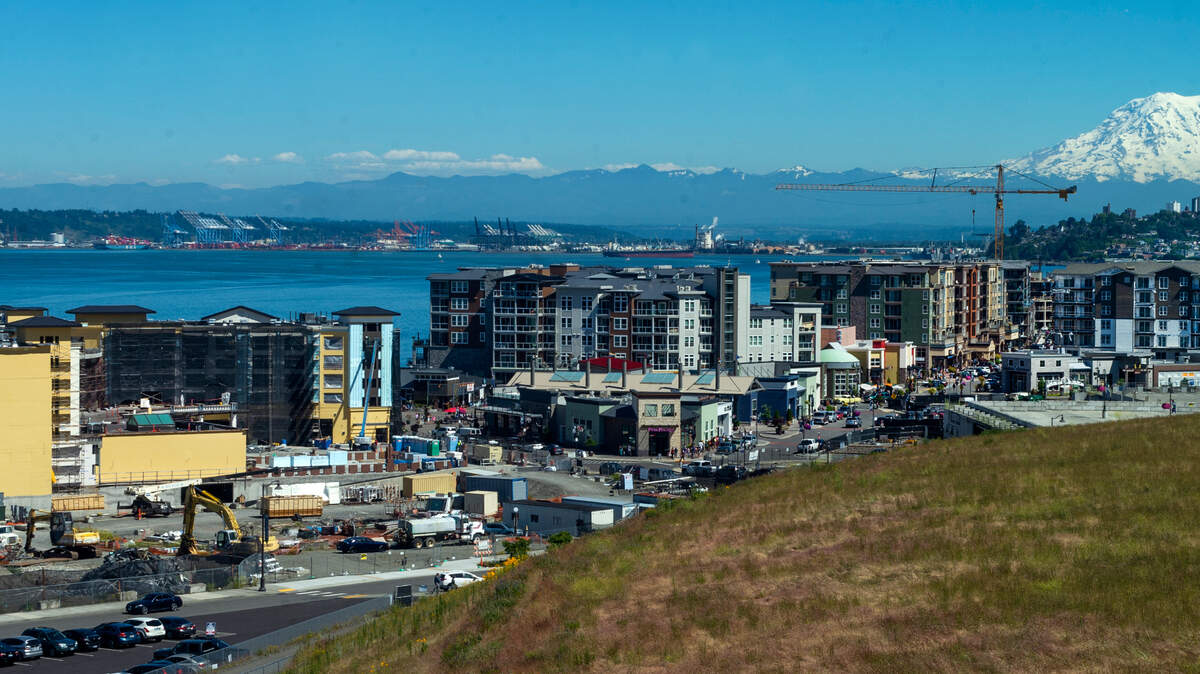
The News Tribune’s recent investigative report documenting the troubling financial issues at Point Ruston does not detract from the story of the historic rebirth of the site.
It’s worth taking a step back and looking at the history.
What was once one of the most toxic waste sites in the country, the American Smelting and Refining company’s (ASARCO) copper smelter, is now a vibrant, mixed-use urban village.
I have a particular affinity for that site, given that I was an employee of the smelter during summer vacations of my undergraduate years at the University of Puget Sound in the 1960’s.
Not in my wildest dreams would I have ever imagined that on that very waterfront site would stand a four-star hotel.
We have all observed the transformation from wasteland to urban village, so I would like to share with you my perspective on the events that caused this metamorphosis.
The Tacoma Smelter closed shop in the 1980s, and with much fanfare, the stack was destroyed in 1993. ASARCO was then obligated by regulatory agencies to clean up the site and send tons of highly toxic material by rail to an out-of-state disposal area. The cost of such a complicated and difficult project would be many millions of dollars.
As a result, in 1995, the company offered a grand bargain to Tacoma, Ruston and Metro Parks: Let the company build a government-approved “onsite containment facility” for all contaminated materials and, in turn, the millions of dollars in savings would be used to clean up the 97-acre site and make it “pad ready” for a mixed-use development.
This was a total site cleanup and remediation, including installation of all utilities and infrastructure.
As a bonus, ASARCOI would also clean up the so-called adjacent slag peninsula, creating a waterside addition to Point Defiance Park.
In addition, the company agreed to an independent Public Development Authority to manage site development and promised $2 million in seed money for staff and offices.
ASARCO hired architect Jim Merritt, who partnered with landscape architect Owen Lang, to create a historic “Master Development Plan” for the smelter site.
After weeks of public meetings, which included brainstorming sessions, alternative responses and a preferred option, a final plan was approved through a consent decree, signed by ASARCO and the Environmental Protection Agency (EPA).
What followed was a redevelopment agreement outlining the roles of ASARCO, Tacoma, Ruston and Metro Parks in the implementation of the master plan. Details of the final agreement were unveiled at a celebratory signing ceremony on Jan. 8, 1997.
Construction of a mixed-use development was set to begin in 2003. It was, at the time, a truly historic achievement.
The onsite containment facility, as approved by the EPA, was completed by ASARCO, and toxic materials and contaminated soils were placed within.
But actual site remediation work did not start as expected.
When city officials inquired as to why, ASARCO management explained that once copper reached a higher price point on the commodities market, work would begin.
Then, everything changed.
In 1999, city policymakers were stunned when it was announced that Grupo Mexico was in the process of purchasing ASARCO for $2 billion in a highly leveraged buyout. Press reports stated that the Mexican company was nudging ASARCO into bankruptcy proceedings to walk away from all environmental liabilities at the Tacoma smelter site.
The EPA stepped in, and a settlement was reached with $94 million set aside for the cleanup of polluted soils in surrounding residential yards, schools and parks. No funds would be available for developing the smelter site itself.
Six years later, in another surprise announcement, Mike Cohen, known for primarily building custom homes in the region, agreed to buy the still highly contaminated site.
In a complicated deal, he and other investors paid the now-bankrupt ASARCO $20 million, plus another $5 million to the EPA to pay off a lien on the company.
In so doing, Cohen was also buying an estimated $1.3 billion legal obligation for cleanup and development of the site.
As an article in a Seattle weekly newspaper described it this way at the time:
“Cohen is betting he can transform almost 100 acres of Superfund land — slag, polluted soil relocated from yards in Ruston, and a hill covering a 25,000-cubic yard container full of the smelter’s most toxic waste, including the remains of the arsenic kitchen (the on-site containment facility) — into a luxury waterfront village.”
There were serious bumps in the road for Cohen — a dispute with the Carpenters Union, environmental clean-up issues with the EPA, the Great Recession and jurisdictional disputes with Ruston — but prior to his death in December 2020, he pretty much pulled off that transformation.
In sum, the financial problems the development now faces — as The News Tribune put it, “mired in unpaid debts and back taxes, with investors battling in court over repayment” — are concerning.
That should not diminish a truly monumental work — turning abandoned industrial waste into something beautiful.
A lifelong Tacoma resident, Bill Baarsma served as Tacoma’s 37th Mayor (2002-2009) and as a Council Member (1992-99). He currently serves on the Board of Historic Tacoma.