
My constituent lost a son to fentanyl. WA can solve this crisis — if we act fast | Opinion
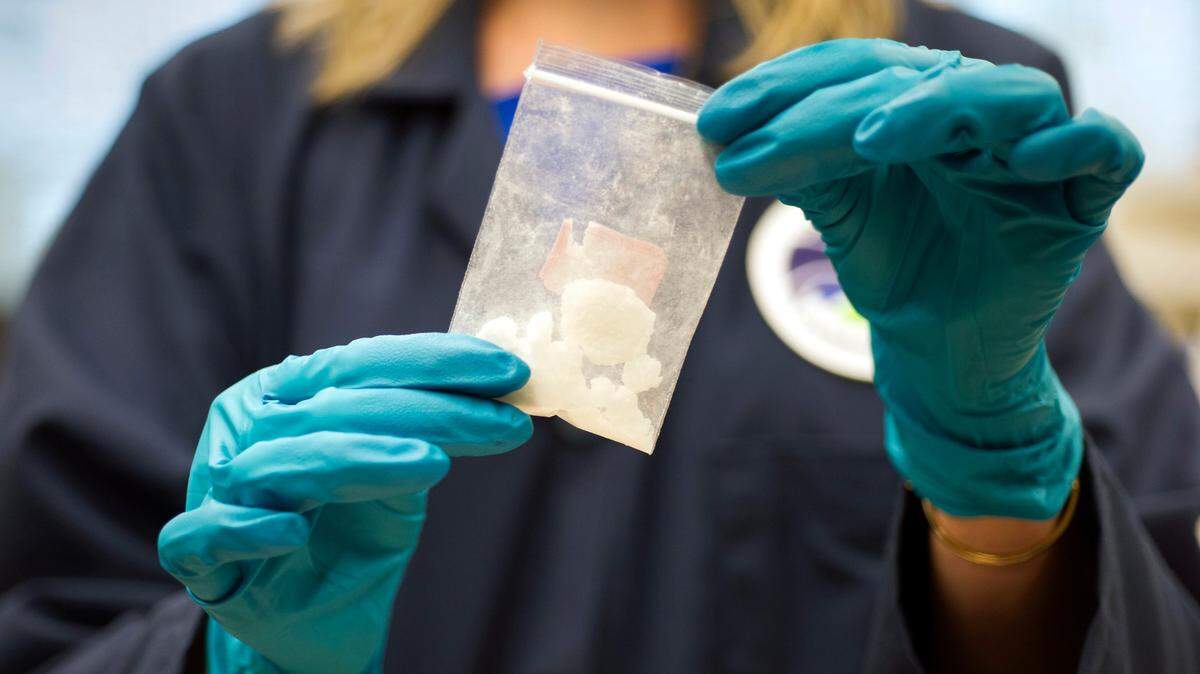
The opioid and fentanyl crisis has hit our communities hard. Sadly, a whopping 68 percent of overdose deaths in Washington are from opioids, including fentanyl. Even more alarming, our state had the second-highest percentage increase — at 65 percent — in deaths from fentanyl poisoning over a one-year period.
How is this happening? According to the federal Drug Enforcement Agency, seven out of 10 pills sold to kids are laced with fentanyl. Many who have died don’t always intentionally misuse drugs. Many have sought drugs from friends or social media for pain or other medical purposes, not knowing that the pills they consumed were counterfeits with lethal doses — just two milligrams can kill someone — of fentanyl.
In 2021, 1,619 Washingtonians lost their lives due to an opioid overdose or poisoning. In 2022, 26.3 out of 100,000 Washingtonians died from opioids. And nowadays, opioids and fentanyl deaths are the leading cause of deaths for people under 30. It knows no boundaries and strikes in all communities — and is especially hard on our native, Black and brown neighbors.
In fact, two of the three most impacted groups by this surge in our neighborhoods include young adults inexperienced with opioid use and young adults with rapid onset of opioid use disorder or addiction.
Deaths related to opioids and fentanyl have also risen stunningly among young people. For every 100,000 Washingtonians ages 14-18, nearly 10.6 people died from synthetics such as fentanyl, compared to 3.6 just six years ago. In 2023, 190 youths under age 24 died from opioid and fentanyl overdose or poisoning. As a mother, I cannot imagine losing a child.
Tragically, Maria Petty of Steilacoom knows this pain. Her son, Lucas, died at the age of 16 on Halloween night in 2022. I met with Maria, who lives in my district, several times since her son lost his life from smoking marijuana laced with fentanyl. In those visits, we decided to work together on a bill to address education, prevention and awareness about the dangers of opioids and fentanyl so that other families might be spared similar pain of losing a loved one.
What Maria and I came up with is House Bill 1956, also requested by the governor, and now being referred to as the Lucas Petty Act. This piece of legislation will educate, taking a proactive step aimed at protecting our students, providing sound information and resources to students and parents, and to save lives. It would require all middle and high schools have current information and resources so that our kids understand the dangers of opioids and fentanyl, and the high stakes involved with not knowing where a pill comes from. Our kids also need to know the warning signs of substance use disorder both in themselves and in their peers.
Washington’s students need evidence-based resources and education that includes information developed through collaboration with experts. HB 1956 would ensure important community partnerships with the state’s Department of Health, city and county public health officials, the state’s Office of Superintendent of Public Instruction, school districts, tribal leaders, education service districts, the state’s Department of Children, Youth, & Families, and city and county leaders. We need experts from all these areas to be involved.
Furthermore, we in the legislature also recognize the importance of our substance use providers and treatment centers to make sure that we have adequate opportunities for people to get treatment. Like in many other lines of work right now, behavioral health specialists are in short supply, and the legislature is also working on ensuring enough specialists are trained in this line of work so that people in every corner of our state have access to treatment and licensed providers.
HB 1956 has the strong support of several tribal partners, educational associations, the Washington Nurses Association, the Women’s Commission, law enforcement, and hundreds of everyday Washingtonians. On Jan. 25, this bill passed out of committee, and now has a stop in the budget committee before it can be taken up for debate on the House floor.
We owe it to our youth to act now.
Any death from an overdose is one death too many.
Mari Leavitt is a state representative in the 28th Legislative District, and lives in University Place with her husband and children. A Democrat, Leavitt is co-chair of the Joint Committee on Military and Veterans Affairs and vice-chair in the House on the Housing Committee. She is also deputy whip and a member of the House’s Rules, Capital Budget, and Post-Secondary Education & Workforce committees.
This story was originally published February 9, 2024 at 5:00 AM.