
My child’s mother was murdered. And I’ve been to prison. I know what justice is | Opinion
Twenty years ago, my girlfriend, the mother of my child, was murdered. Her loss caused me great trauma. That pain led me to addiction, homelessness and my own criminal involvement.
The man who killed her received 45 years in prison. His sentence was lengthened because of crimes he committed when he was a juvenile.
His longer sentence did nothing to heal me.
Last year, the Washington Legislature ended the practice of including juvenile crimes in adult sentencing calculations. Still, hundreds of people in Washington are serving lengthened prison sentences for crimes they committed as youth.
Almost half are Indigenous. My tribe, the Lummi Nation, has at least 16 tribal members incarcerated with longer sentences because of their juvenile mistakes.
HB 2065 would give people from my community and other local Tribal communities a chance to be resentenced based on a more just calculation that does not include juvenile crimes.
Experiencing my girlfriend’s death and also getting caught up in the criminal justice system myself allows me to see HB 2065 from multiple points of view. The legislation presents an opportunity to heal both victims of violent crime and people like me who end up in the system.
My girlfriend was my support. After she was killed, I had none. I fell into crime. Because of my own criminal record the system did not treat me like a victim. That is why I do not believe it is healthy to see issues like HB 2065 through a victim-versus-offender lens.
The saying that “hurt people, hurt people” is true. I lived it, as have 422 Indigenous individuals in our state who are suffering overly long prison sentences based on juvenile crimes.
Every one of those people suffers from trauma resulting from the violence, rape and hurt suffered by our ancestors, grandparents and parents. Like those who they hurt, those 422 Indigenous people need healing.
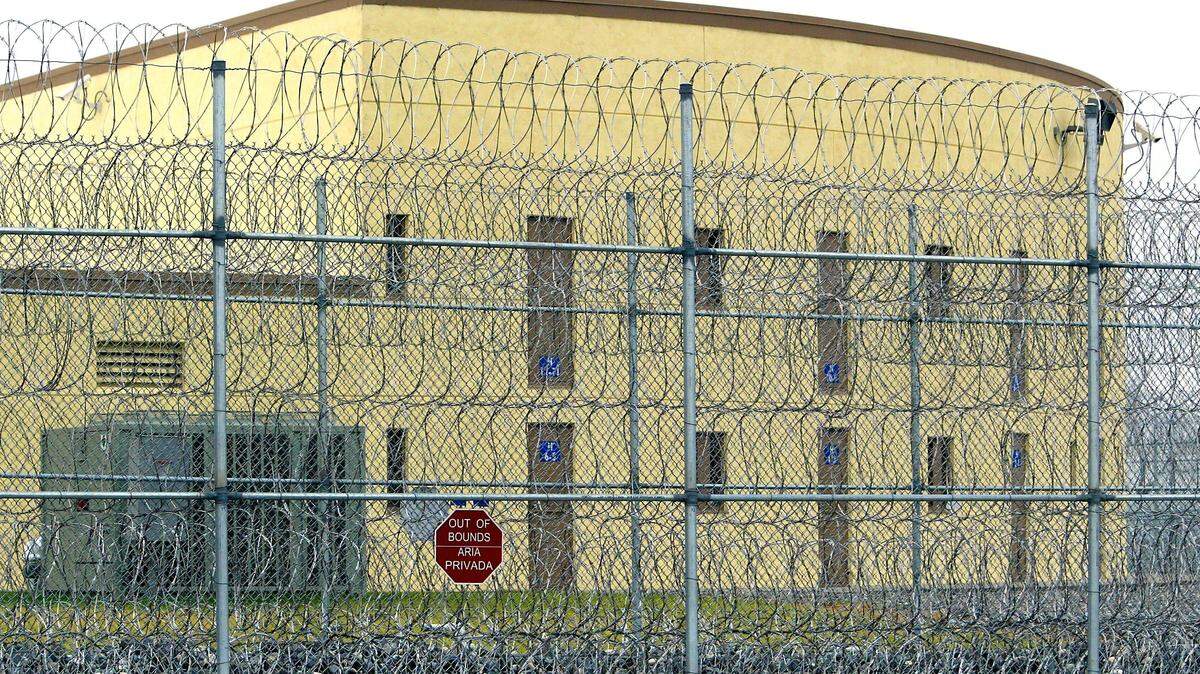
I found my own healing through community and service. I now work as a counselor at the Airway Heights Corrections Center. I go into the prison to help Indigenous men heal through traditional spiritual practices. Many committed serious offenses when they were juveniles. They are also victims themselves of horrible violence and trauma.
Forcing them to serve overly long state sentences does not heal them or the people they hurt. What brings healing is remorse, apology and forgiveness.
Having to go through state court sentencing hearings can be difficult for victims. I have been there. But we also cannot see resentencing through a victim-versus -offender lens.
Instead, we should view resentencings as opportunities for those who caused harm to apologize and acknowledge that damage. State court no-contact restrictions prevent apologies to victims and survivors after somebody has found remorse and rehabilitated.
Resentencing allows for healing opportunities.
During a resentencing hearing for the man who murdered my girlfriend, I was able to tell him how he hurt me, in front of a judge. I felt seen and heard. I was also able to hear him take responsibility for what he did. His apology was not perfect, but it helped give me closure.
That closure allowed me to heal, no longer dependent on his fate. Finally, I was able to let go of that. I felt free myself.
What the resentencing process has taught me is that increasing incarceration and the lengths of prison stays rarely serves victims’ needs. Forgiveness and redemption does.
HB 2065 is an opportunity to help heal deep interpersonal harms, as well as historical wrongs.
We should not let that opportunity pass Washington by.
Avery Doutre is a substance abuse counselor at New Horizons Care Center in Spokane and a Native American religious services volunteer at Washington State’s Airway Heights Corrections Center. He is a Lummi Nation citizen.