
Toxic polarization ended a Congressman’s speech. It’s a trend. Sunshine is the cure | Opinion
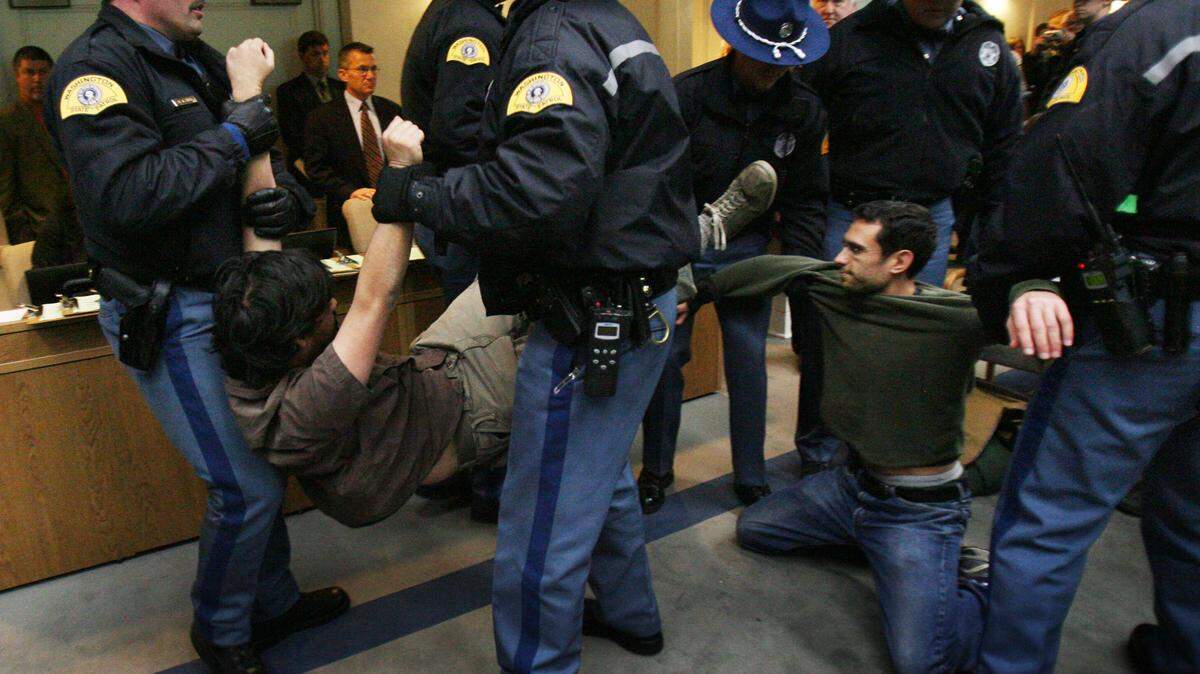
“Congressman’s speech on civility disrupted by protesters in Tacoma.”
Sometimes you go looking for inspiration — other times, it finds you.
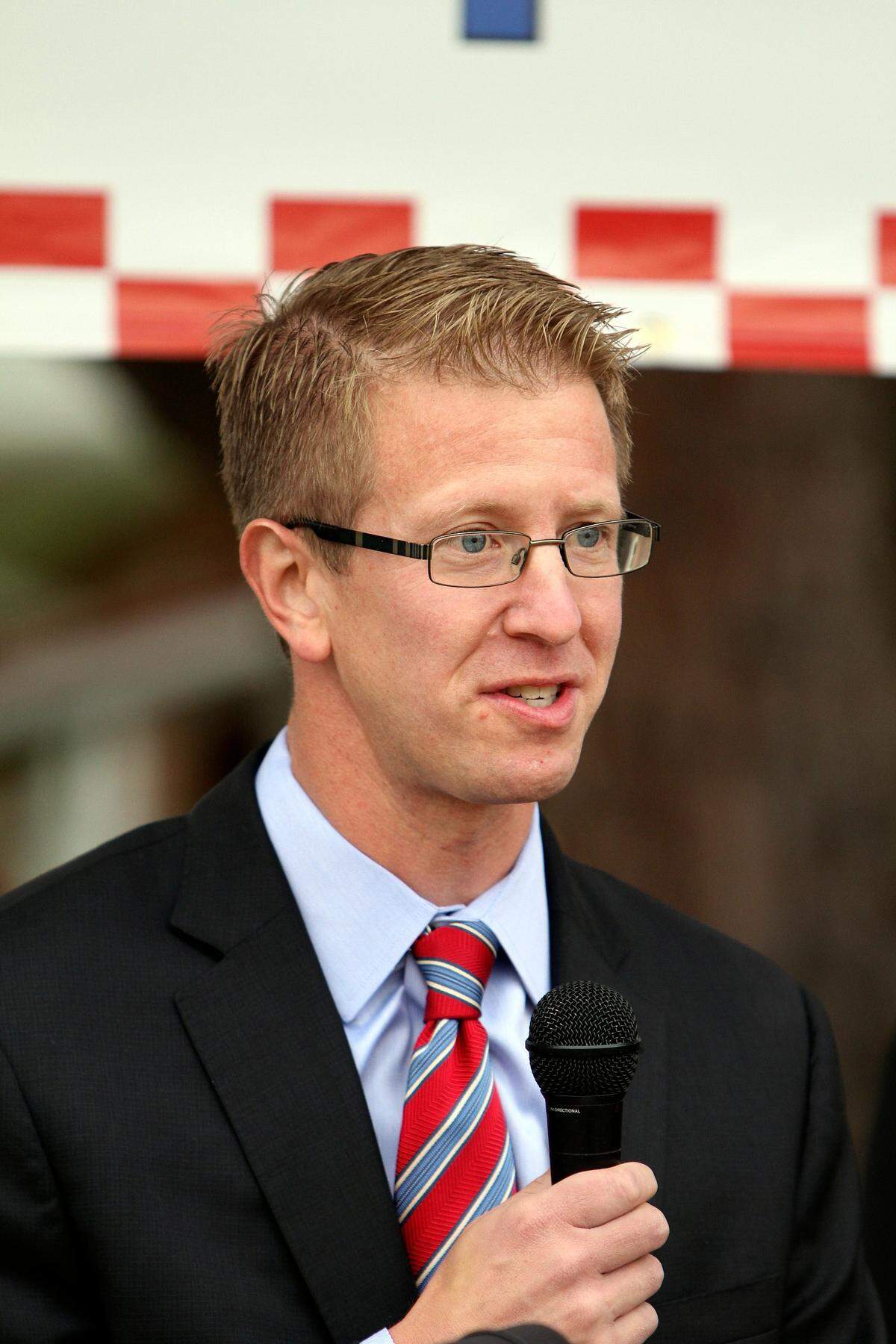
The news about U.S. Rep. Derek Kilmer’s Feb. 21 speech broke across my screen as I was preparing this column about National Sunshine Week and the need to educate people about our democracy. Sunshine Week, observed March 10-16, is an initiative to promote open government and the value of shining a light or “sunshine” into its proceedings.
As fate would have it, Kilmer’s remarks that day were on — you guessed it — toxic polarization in American discourse. Using bullhorns, protesters took over the stage at the University of Puget Sound in Tacoma, forcing the cancellation.
It’s a sad but classic example of the dangerous behavior that is jeopardizing the future of our democracy: the decline of civility in our democratic dialogue.
I have the honor of leading an organization whose mission, every day, is dedicated to ensuring openness — and civility — in government. As the president of TVW, Washington’s Public Affairs Network, I believe the work we do to shine a light on government and educate people about the democratic process matters now more than ever.
At TVW, we talk a lot about transparency and being your lens on state government. If you’re not familiar with TVW, we’re the state-level version of C-SPAN, allowing you to watch everything from state Supreme Court arguments to legislative debates, state agency meetings and gubernatorial press conferences, unfiltered. You observe state government and form your own conclusions.
Next year we will mark 30 years of providing the public with unbiased access to Washington state government, as well as well as nationally recognized documentaries and produced content like our weekly public affairs shows, “Inside Olympia” and “The Impact.” And yet in spite of — or maybe because of — this growing incivility among us, our growth suggests people are hungry for this kind of access to democracy. The rise of social media and the decline of traditional news have fostered unprecedented societal conditions, making it more difficult to find common (or polite) ground on literally anything.
It was really the COVID-19 pandemic that introduced a broader audience to TVW, the only unfiltered lens on Olympia during the crisis. Interestingly, many of those viewers have stayed with us, creating a global audience, watching Washington’s democracy in action.
Today, if you have an internet connection, you can access live and archived footage on your schedule, streaming online, on cable and on Roku. This “sunshine” is really a luxury, something available in only a handful of states, including ours.
That’s why the notion of open government and accessibility must extend not only to observing government, but also to demystifying it. It requires a different kind of “sunshine” — civics education — to break through the clouds of government.
TVW was made for this very purpose. And it’s the impetus for our Center for Civic Engagement: to repair the fabric of our communities through civics education. Only by deconstructing government can we help citizens find ways to address some of our biggest challenges.
For TVW, that means continuing to leverage the business of the people to help them become well-informed citizens. We already do some of this work in our “Teach with TVW” program, a free resource for teachers to engage students with state government. The Center for Civic Engagement aims to broaden that education to people of all ages and backgrounds. It is no longer enough for people to see government at work; they must also understand the process.
In the remarks he was scheduled to give, Congressman Kilmer wrote, “Our colleges and universities are the places where students from varied backgrounds, holding different perspectives, come together, challenging each other’s views constructively, and learning to appreciate the value of how other people think.”
At the end of the day, that’s exactly what we must continue to strive for: diversity of thought, shared through civil, constructive dialog.
Renee Radcliff Sinclair, a former state representative, is the president and CEO of TVW.